Standing water, softened shoulders, blocked drains and wet concrete can destabilise a scissor lift before wind becomes the obvious danger. A workable plan must define the route, inspection, weather stop rules, electrical controls and recovery method before the first shift begins, then record the conditions each time work resumes.
Key takeaways
- Inspect routes after rainfall, not only after the weekly survey.
- Barricade standing water, soft shoulders, shifted ramps and concealed potholes.
- Stop work for unsafe wind, lightning or materials that could act as sails.
- Specify wet-ground limits, charging controls and inspection records before purchase.
Assess Vadodara’s site before choosing the lift route
A route that passed last week’s survey is not approved after monsoon rainfall. Inspect it immediately before use, then barricade any standing water, blocked drain, soft shoulder, concealed pothole, shifted ramp, slippery steel plate, loose trench cover or freshly backfilled section. Redirect the machine instead of trusting temporary ground protection.
| Site condition | Travel decision | Elevated-work decision |
|---|---|---|
| Dry, drained surface; firm ground; clean traction; slope within the manual limit | Permit travel after the pre-use inspection | Permit only within the manual’s outdoor wind and weather limits |
| Wet concrete, oil film, pooled water or uncertain tyre grip | Stop, clean or drain, then reassess | Do not raise the platform |
| Soft ground, damaged cover, shifted ramp or concealed depression | Barricade and select another route | Do not raise the platform |
| Rain, lightning or wind outside the data-plate limit | Park in a safe location | Lower the platform and stop work |
For monsoon scissor lift for planning in Vadodara, confirm whether the machine is indoor-only, approved for outdoor travel only, or approved for outdoor elevated work.
Check the data plate and manual for platform capacity, maximum slope, tyre condition, wind limit and lightning instructions; a machine can become unstable below its wind limit when one wheel enters softened ground.
A suitable route has drainage, no oil contamination and enough clearance for emergency lowering. Treat charging separately: use a covered, ventilated bay, and never connect wet plugs, extension leads or damaged chargers.
Use a documented go/no-go inspection before every shift
A self-propelled scissor lift in rain conditions needs a fresh decision each shift. The operator completes the inspection, and the supervisor authorises movement or elevation only after recording the result. The manufacturer’s manual controls; rain is acceptable only when the manual permits it.
1. Inspect the route immediately before use. Reject standing water, blocked drains, concealed potholes, soft shoulders, mud, slippery concrete, shifted temporary ramps, loose steel plates and disturbed trench covers. Barricade the hazard and mark a revised route.
2. Check the weather against the manual’s limits. Record rainfall, wind speed and lightning status. Do not authorise travel or lifting during lightning, or in rain and wind that the manufacturer prohibits. Do not invent a site limit when the manual gives a lower one.
3. Examine the machine for water-related faults. Look for fault codes, damaged seals, water in battery compartments or electrical enclosures, wet connectors, damaged joystick membranes and abnormal emergency-stop or limit-switch operation.
4. Test the safety systems on level ground: tyre traction, brakes, steering, alarms, tilt sensor, platform controls, guardrails, entry gate, stabilisers or outriggers, emergency lowering and ground controls. A failed test is a no-go, even if the lift still moves.
5. Confirm the platform is clear of loose materials, the operator has required protection, and the battery or charger is not connected with wet plugs or leads. Charge only in the designated covered, ventilated bay.
The operator and supervisor sign the checklist, note defects and weather readings, and record who controls emergency lowering. Keep the form with the shift records.
Set separate rules for rain, covered areas and electrical charging
Apply three location-based rules: outdoor rain, leaking roofs and covered docks do not present the same water hazard. Your scissor lift weather precautions in Vadodara must control visibility, traction and electrical exposure separately.
- Outdoors, stop elevated work when rain obscures the platform edge, ground hazards or hand signals. Travel only on inspected routes with drainage, firm shoulders and clean, oil-free surfaces; water on smooth concrete can remove tyre grip without flooding. Follow the manual’s slope, tyre and outdoor-use limits.
- Under a leaking roof, isolate the drip zone and repair or contain the leak before raising the platform. Do not treat a roof as weather protection if water reaches controls, connectors, battery compartments, emergency-stop circuits or limit switches.
- At a covered loading dock, keep runoff away from the machine, mark dock edges and maintain lighting for reversing and hand signals. Confirm that the lift is approved for the dock’s indoor or outdoor configuration; an indoor-only machine is not made outdoor-rated by a roof.
Charging requires a separate rule: use a covered, ventilated charging bay with the electrical protection specified by the charger manufacturer. Prohibit connections involving wet plugs, wet extension leads or damaged chargers.
Keep charging outside standing-water paths, and never rely on an enclosure’s IP rating as approval for the complete lift; request ratings under IEC 60529 for control boxes, connectors, battery compartments and the charger.
After rain, release the lift only after checking fault codes, intermittent controls, water ingress, brake response and traction performance.
Stop for wind and lightning before materials turn into sails
A wind limit is not universal: use the manufacturer’s outdoor limit in m/s and its stated measurement method, not a borrowed 45 km/h figure. Stop elevated work when wind reaches that limit, lightning is seen or thunder is heard, rain prevents clear visibility or secure control use, or waterlogging and softened ground threaten stability.
| Condition | Stop-work trigger | Restart requirement |
|---|---|---|
| Wind | Measured speed reaches the machine manual’s limit; loose sheets, tarpaulins, panels, pipes or other sail-like loads are on the platform | Record speed, instrument location, platform height and material removed or secured |
| Lightning | Thunderstorm approaches; the raised metal platform is not a shelter | Lower the platform, isolate the work area, and move only under the manufacturer’s procedure and safe ground conditions |
| Rain and visibility | Rain obscures the operator’s view, makes controls unsafe or creates uncontrolled slipping | Record rainfall condition, visibility, platform dryness and control test |
| Ground | Standing water, blocked drainage, soft shoulders, concealed potholes or unstable slopes affect travel or setup | Reinspect tyres, brakes, tilt alarm and ground; reject the route until stable |
Before restarting, the operator records the lift identification, site and time, wind reading, lightning all-clear under the site procedure, ground condition, platform load and material arrangement. The supervisor signs the go/no-go entry after confirming emergency lowering, alarms and controls work. Workers leave the platform while seeking shelter; never use a raised lift as refuge.
Put monsoon performance requirements into the purchase specification
Require a signed operating matrix, not a “monsoon-ready” claim, before accepting a scissor lift for monsoon operations in Vadodara. The supplier’s manual and data plate must support every limit in the purchase or hire documents.
1. State whether the machine is approved for outdoor elevated work, outdoor travel only, or indoor use. Record the platform capacity, any reduced outdoor capacity, allowable slope, and the exact configuration covered.
2. Give the maximum permitted wind speed in m/s, the measuring position and method, and whether the limit applies with the platform raised. Do not accept a verbal “45 km/h” limit.
3. Define rain and lightning rules: permitted travel, permitted elevation, visibility requirements, the stop criterion, and who authorises restart after the storm.
4. List ground-condition rejection criteria, including standing water, blocked drains, soft shoulders, concealed potholes, slippery concrete and wheel sinkage. Require the supplier to identify traction limits and post-rain inspection steps.
5. Specify charging controls: a covered, ventilated charging bay; electrical protection; prohibition of wet plugs, extension leads and damaged chargers; and the charger manufacturer’s weather limits.
6. Name the emergency-lowering method, responsible trained person, inspection records and response arrangements if controls or power fail.
Ask Aguatech Engineers Pvt.ltd., or any competing supplier, to attach these limits to the quotation, hire agreement, operator manual and acceptance test. Reject documents that use “weatherproof” without measurable conditions, because you cannot turn that word into a go/no-go decision.
Related products
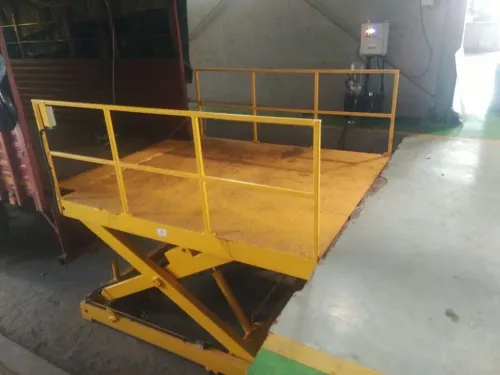
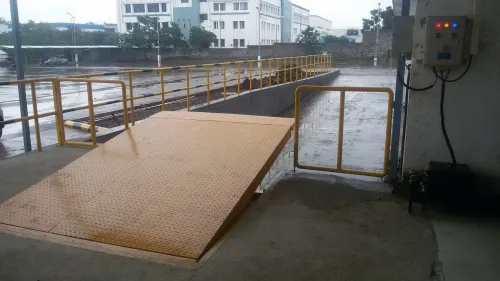
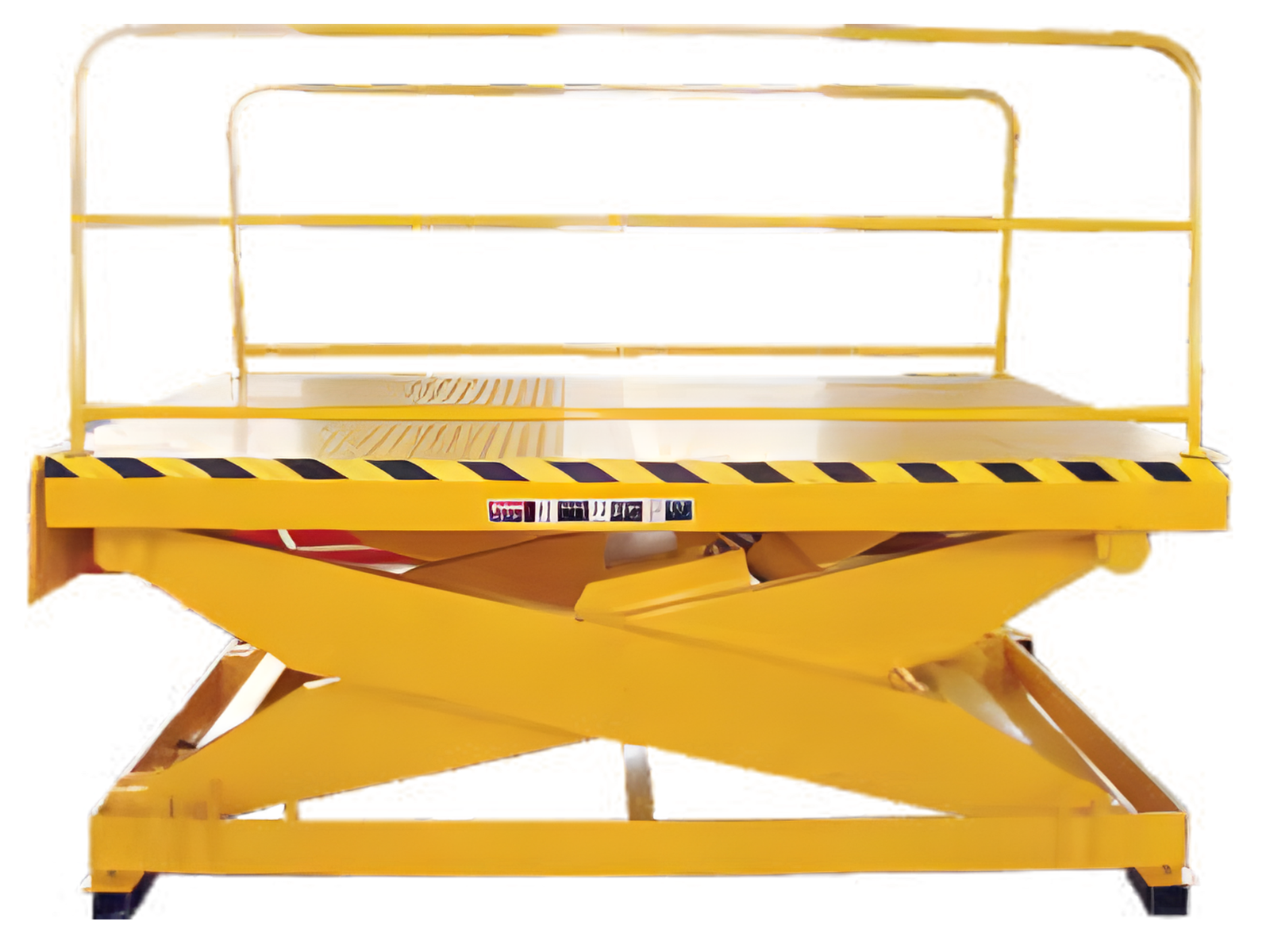 | LOADING/UNLOADING PLATFORMS OR DOCKS Electro-Hydraulic Scissor Lifts A loading/unloading dock is typically an elevated opening (or openings) in a building's sidewall where shipments are sorted and staged for loading... View product → |
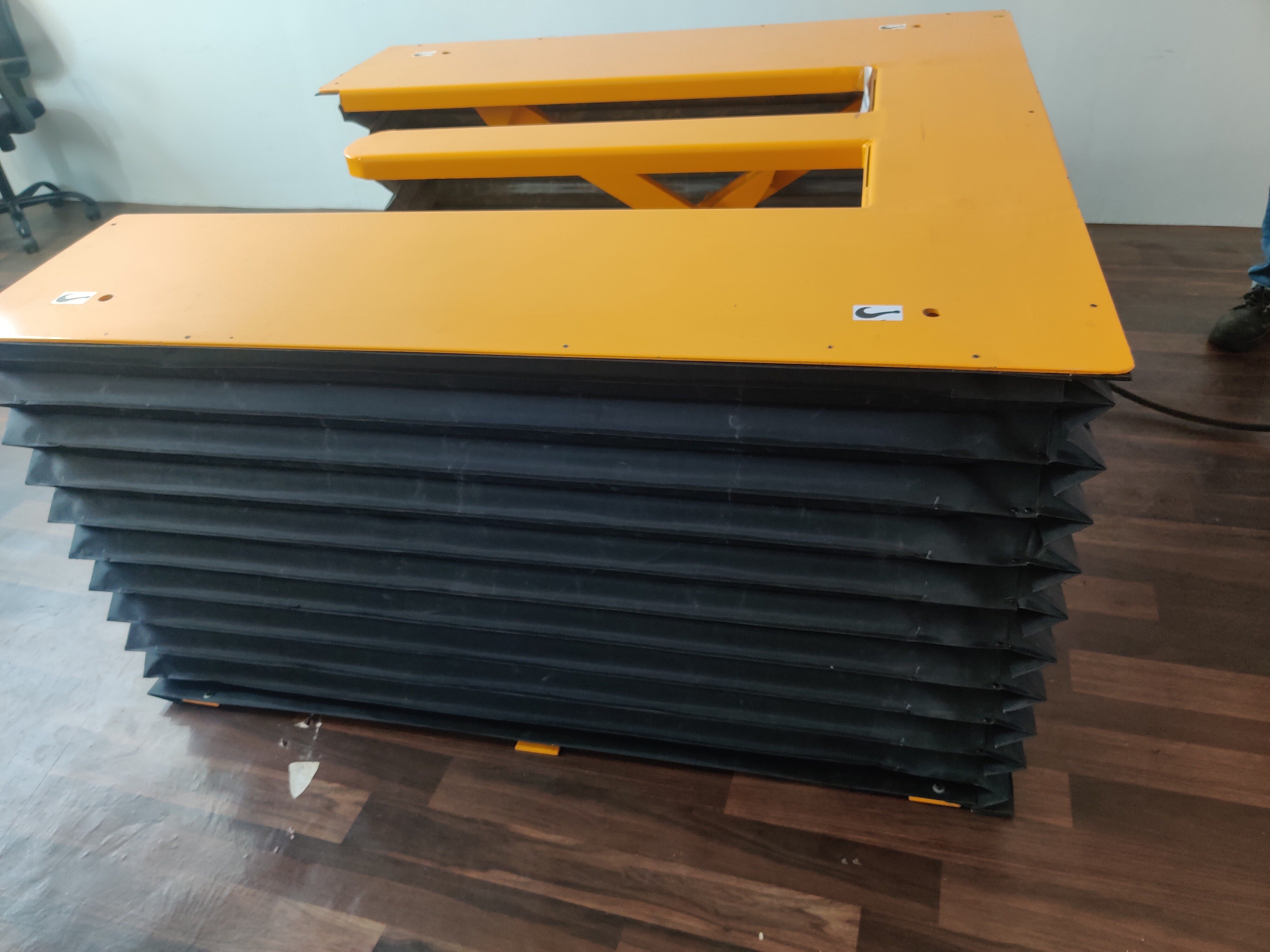
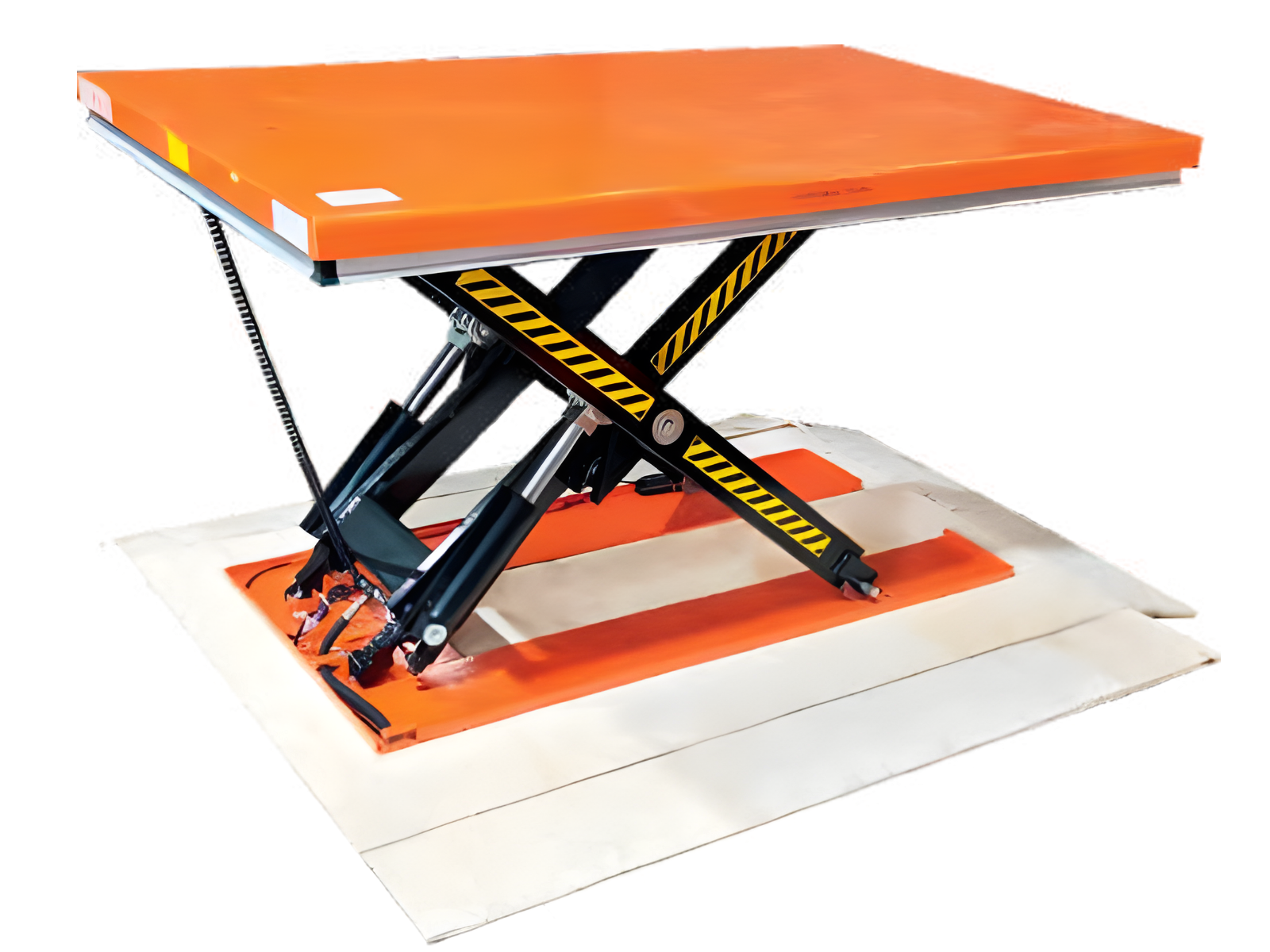 | Low Profile Scissor Lift The low-profile electric/hydraulic scissor lift table loads and unloads skids with a pallet truck without the need for a pit when using the optional... View product → |
Frequently asked questions
How should you assess a scissor lift route after monsoon rainfall in Vadodara?
Inspect immediately before use. Barricade standing water, blocked drains, soft shoulders, concealed potholes, shifted ramps, slippery steel plates, loose trench covers and freshly backfilled sections. Redirect the machine instead of relying on temporary ground protection.
What should a pre-shift scissor lift inspection record include?
Use a documented go/no-go check covering the route, ground condition, ramps, drainage, trench covers, tyres or wheels, controls, emergency lowering system, guardrails and alarms. Record defects and keep the lift out of service until they are corrected.
Can you operate a self-propelled scissor lift in rain?
Set separate rules for open rain, covered areas and electrical charging. Follow the lift manufacturer’s operating limits, keep water away from charging equipment, and stop when visibility, traction, ground stability or electrical safety is compromised.
When should monsoon scissor lift operations stop for wind or lightning?
Stop when wind reaches the manufacturer’s stated limit, lightning enters the work area, or loads and sheets could become sails. Lower the platform, secure materials and move people to a safe location.
What monsoon requirements belong in a scissor lift purchase specification?
Specify the intended ground conditions, maximum operating wind speed, outdoor-use limits, ingress protection for electrical components, charging location, tyre or wheel configuration, slope limits, emergency systems and required inspection documentation.
Related products
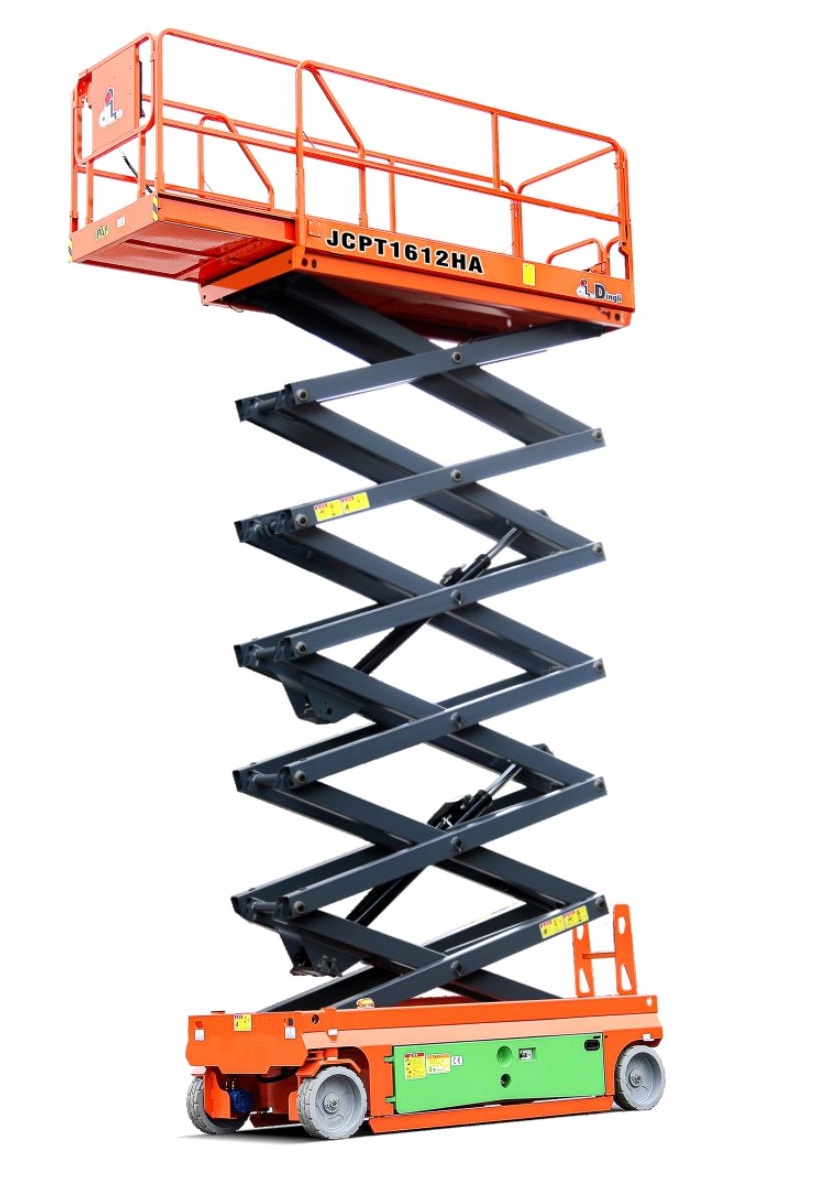 | Self-Propelled Scissor Lift A self-propelled scissor lift is a motorized aerial work platform used for vertical lifting, allowing operators to drive, steer, and elevate the... View product → |
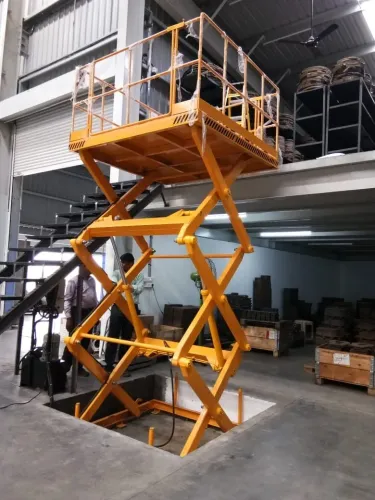
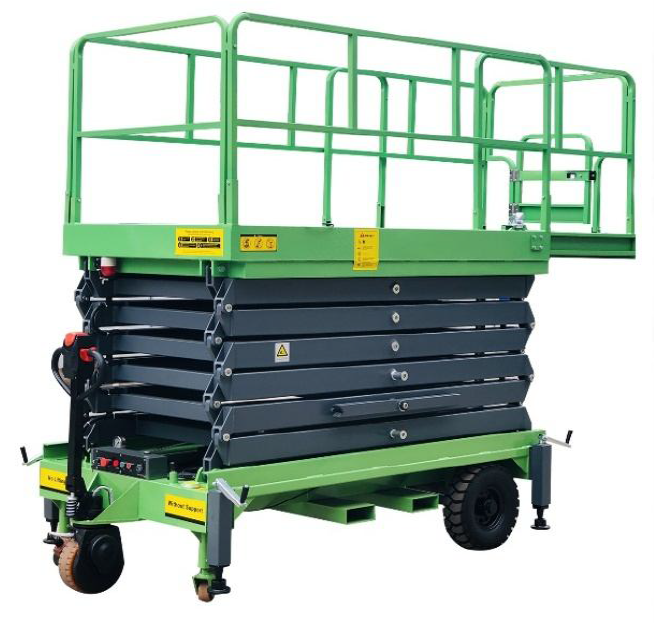 | HIGHLIFT MAINTAINANCE PLATFORM High Raised Scissor - Traction These are perhaps a revolutionary kind of equipment to be designed which almost replaced the conventional ladders which have their own limitations... View product → |
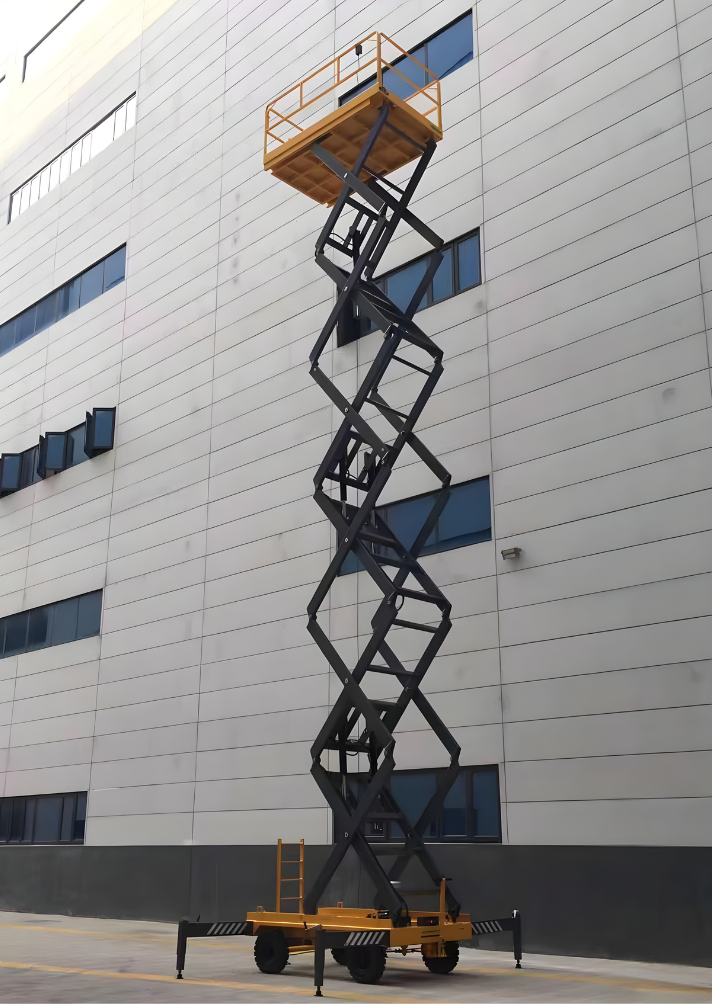 | HIGHLIFT MAINTAINANCE PLATFORM These are perhaps a revolutionary kind of equipment to be designed which almost replaced the conventional ladders which have their own limitations... View product → |