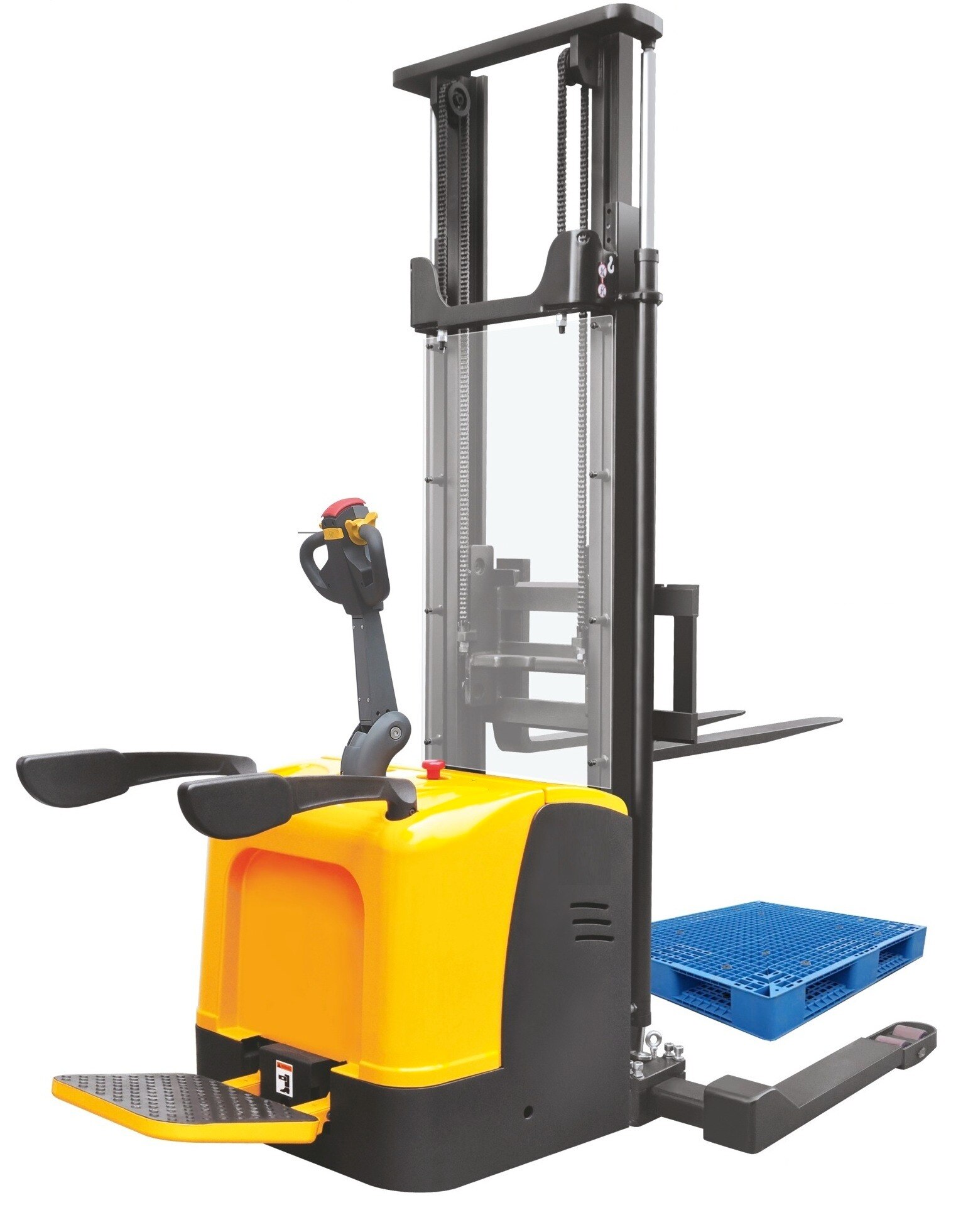
Contractors lose time when materials wait at the loading bay, block a work zone, or require repeated handling before reaching the installation point. By matching the truck to the load, site geometry, power setup, and work pattern, you can decide whether an electric reach stacker improves output or whether another vehicle is the better choice.
Key takeaways
- Use one machine for unloading, internal transport, and high-level pallet placement.
- Check load capacity, lift height, aisle width, floor condition, and turning space before purchase.
- Plan charging locations, battery turnaround, and operator access before deploying an electric stacker.
- Choose a reach stacker when quiet, emission-free indoor handling matters more than rough-terrain mobility.
Where an Electric Reach Stacker Saves Time on a Contractor’s Site
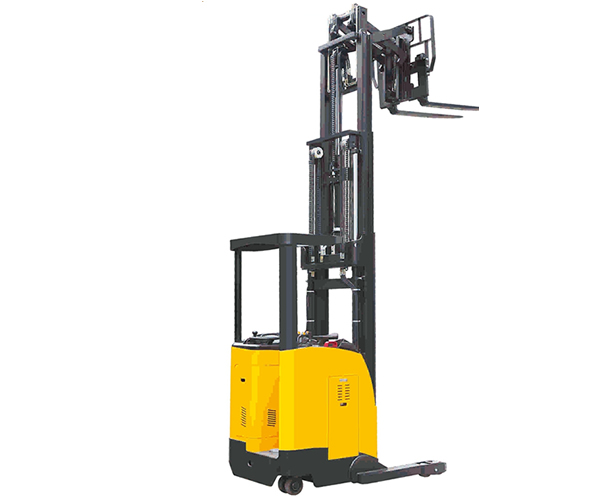
An electric reach stacker for contractors saves time by combining unloading, internal transport and high-level placement in one workflow. You can take a pallet from a delivery vehicle, move it through a narrow warehouse aisle and place it in temporary racking without changing equipment.
That reduces waiting for a forklift and keeps crews supplied near the active work zone.
Its reach function matters when floor space is limited. Instead of stopping to realign the truck with a rack, the operator can position the machine outside the bay and extend the forks into the storage location.
Retrieval is quicker too: bring plasterboard, tiles, cable drums or packaged components down when needed rather than blocking the work area with all materials at once.
Electric drive also helps at occupied premises because lower noise makes communication easier and avoids exhaust indoors. Do not treat quiet operation as pedestrian protection; retain segregation, visibility controls, warning devices and site-speed rules.
Check the hidden movement time before choosing one. Repeated travel between Surat sites adds loading, tie-down and transport time, especially when the truck’s weight, mast height or battery requires removal. On dock ramps, keep the load upgrade while travelling on grades and follow the manufacturer’s instructions.
Heat, humidity, monsoon water, traction and charger location also affect reliable movement. A warehouse reach truck is for palletized loads, not shipping containers.
How It Compares with Other Material-Handling Options
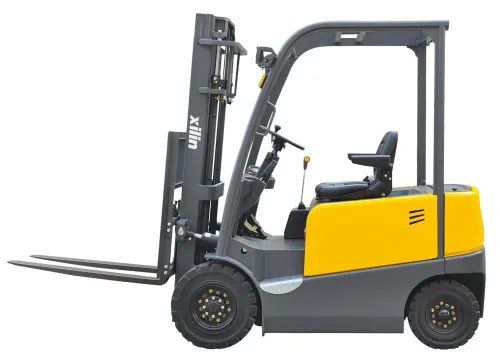
Choose an electric reach stacker when you need to place palletised loads into high warehouse racking through a tighter aisle than a conventional forklift allows. Its reach mechanism lets the forks extend into the rack without driving the whole truck as far forward.
Confirm the truck’s actual turning geometry against your pallet size, rack clearances and load overhang.
| Option | Best fit | Choose it when |
|---|---|---|
| Electric reach stacker | High-level pallet storage | You need high lifts, narrow rack aisles and indoor, level floors. |
| Electric stacker | Light-to-medium pallet stacking | You need simpler, lower-height storage and short travel distances. |
| Counterbalance forklift | Loading bays and mixed handling | You need to pick loads from three sides, handle varied attachments or work on firmer outdoor surfaces. |
| Pallet truck | Floor-level pallet movement | You only move pallets between a vehicle, staging area and nearby work zone. |
| Manual stacker | Occasional low-volume lifting | You have light loads, short distances and no demand for rapid repeated handling. |
| Telehandler | Rough outdoor construction work | You need reach across uneven ground, place loads at distance or use construction attachments. |
The reach stacker advantages disappear when contractors repeatedly transport the machine between sites and lose time on loading, tie-downs or ramp limits. A telehandler is safer for rough terrain; a pallet truck is faster for one-level movement.
Do not treat “reach stacker” as proof of container-handling capability: a warehouse reach truck and a container reach stacker are different machines.
The Capacity and Site Checks That Decide Whether It Will Fit
An advertised 1,500 kg capacity does not mean 1,500 kg at every reach position. Read the capacity plate: load-centre distance, lift height, mast extension, attachment and residual capacity set the permitted load. Exceeding it can destabilise the truck, even on level ground.
- Load weight and load-centre distance: confirm the real centre of the load, not the pallet edge; a longer load reduces residual capacity.
- Lift height: match the rated capacity at the rack level you will use, not only the maximum figure in the brochure.
- Aisle width and turning radius: measure the narrowest aisle, rack end and staging area with the forks carrying a load.
- Floor condition: check cracks, joints, potholes, drainage and slope; uneven or wet flooring reduces stability and tyre traction.
- Doorway height: include the mast, overhead guard and raised load when checking every entrance.
- Ramp gradient: compare the loaded truck’s limit with the steepest ramp, then check ramp strength and edge protection.
- Indoor or outdoor use: specify heat, humidity and monsoon exposure; an indoor-rated truck is not automatically suitable for wet loading docks.
These checks protect electric reach stacker benefits in Surat. Also confirm transport weight, mast height, fork and battery removal, loading-ramp capacity, tie-down points and securing time between sites. Verify that you need a warehouse reach truck, not a container-handling reach stacker. Weak logistics can erase the productivity gain.
How Electric Power Changes Charging, Shifts, and Maintenance Work
Battery choice determines whether an electric stacker for maintenance contractors completes a shift or waits beside a charger. Do not trust a catalogue “hours per charge” figure: compare a logged duty cycle covering travel, lifting and load weight with the proposed battery and charger.
Lead-acid units need scheduled charging, cooling and watering; lithium-ion units can support opportunity charging, but only with a compatible charger and approved battery-management process.
Confirm that each site has suitable electrical capacity, a protected charger location and a plan for moving the machine between locations. Lead-acid charging can release hydrogen, so provide ventilation, ignition controls and electrolyte-handling facilities. Heat, humidity and monsoon exposure also affect battery performance, charger placement, corrosion protection and traction.
Inside occupied warehouses and workshops, electric drive removes tailpipe exhaust and reduces operating noise, improving communication and indoor air quality. It does not remove all hazards or make outdoor loading docks automatically suitable; check enclosure protection, drainage and floor grip.
Train every operator before deployment, including agency and replacement staff, on the load chart, controls, charging procedure, parking and site traffic rules. Complete a pre-use inspection before every shift and remove the truck from service for a defect.
- Record battery, charger, mast, chain, tyre, fork and attachment condition.
- Replace worn tyres or bent forks before they damage loads or destabilise the truck.
- Schedule servicing around contractor workloads; keep critical parts available to reduce repair downtime.
- Log recurring faults across sites instead of treating each breakdown as an isolated event.
A Practical Surat Contractor Buying and Deployment Checklist
Confirm the machine class before discussing price: a warehouse electric reach stacker handles palletised loads in racking; it is not a container-handling reach stacker. The electric reach stacker benefits for contractors in Surat disappear if its capacity, dimensions, or attachment system do not match the job.
1. Give the supplier your heaviest load, load-centre distance, lift height, aisle width, turning space, doorway height, floor condition, and ramp gradient. Request the rated-load chart, overall mast height, turning radius, and operating limits for each attachment.
2. Describe every work location: warehouse, fabrication shop, fit-out site, loading bay, or maintenance area. Confirm whether the truck is rated for wet docks and outdoor movement, then check tyre traction, corrosion protection, electrical-enclosure protection, drainage, and charger placement for Surat heat, humidity, and monsoon rain.
3. Ask for a charging plan. Lead-acid batteries need ventilation, ignition controls, electrolyte-handling facilities, and a designated charging area because charging can produce hydrogen.
4. Price site-to-site movement honestly. Confirm transport weight, mast height, battery and fork removal, ramp capacity, tie-down points, and loading time before choosing a compact truck.
5. Require pre-use inspection sheets covering battery, charger, mast, chains, tyres, forks, and attachments. Keep defective trucks out of service until repaired, and train each new operator on ramps, keeping loads upgrade as required by the manufacturer.
Aguatech Engineers Pvt.ltd. can support this evaluation by matching the application to its reach-truck and electric-stacker options, checking site constraints, and helping document the deployment requirements before purchase.
Related products
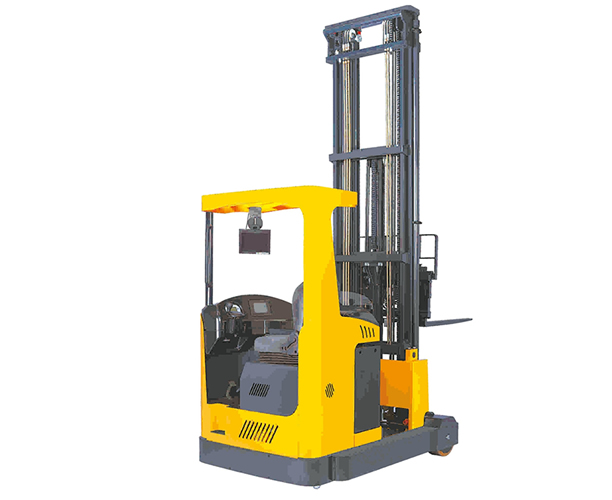 | REACH TRUCK This is again the larger version of an Electric Reach Stacker and is designed to work in narrow aisles. View product → |
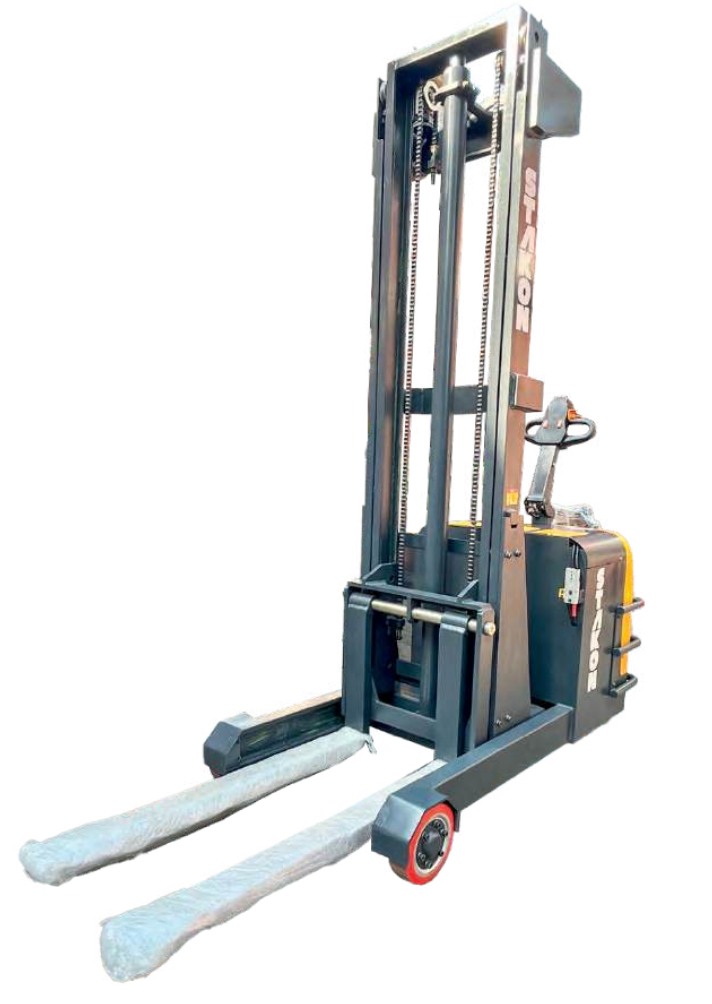 | STACKERS This can be termed as the larger version of an Electric Stacker and is designed for specific application. View product → |
Frequently asked questions
Where does an electric reach stacker save contractors the most time?
It combines vehicle unloading, site transport, and high-level pallet placement, reducing equipment changes between tasks.
How does an electric reach stacker compare with a forklift or pallet truck?
A reach stacker provides higher placement and narrower-aisle access than a pallet truck, while an internal-combustion forklift suits rough outdoor surfaces and heavier-duty work better.
What site checks should Surat contractors complete before buying?
Measure pallet weight, lift height, aisle width, turning clearance, floor strength, ramp gradients, doorway height, and charging-space availability.
What changes when contractors use electric power?
You must schedule battery charging, provide a suitable charging area, train operators on battery handling, and include inspections for forks, mast, wheels, brakes, and electrical systems.
When is an electric reach stacker a poor choice?
Choose another machine when the site has rough terrain, steep unprepared ramps, outdoor exposure, extreme loads, or no safe way to charge and store the battery.
Related products
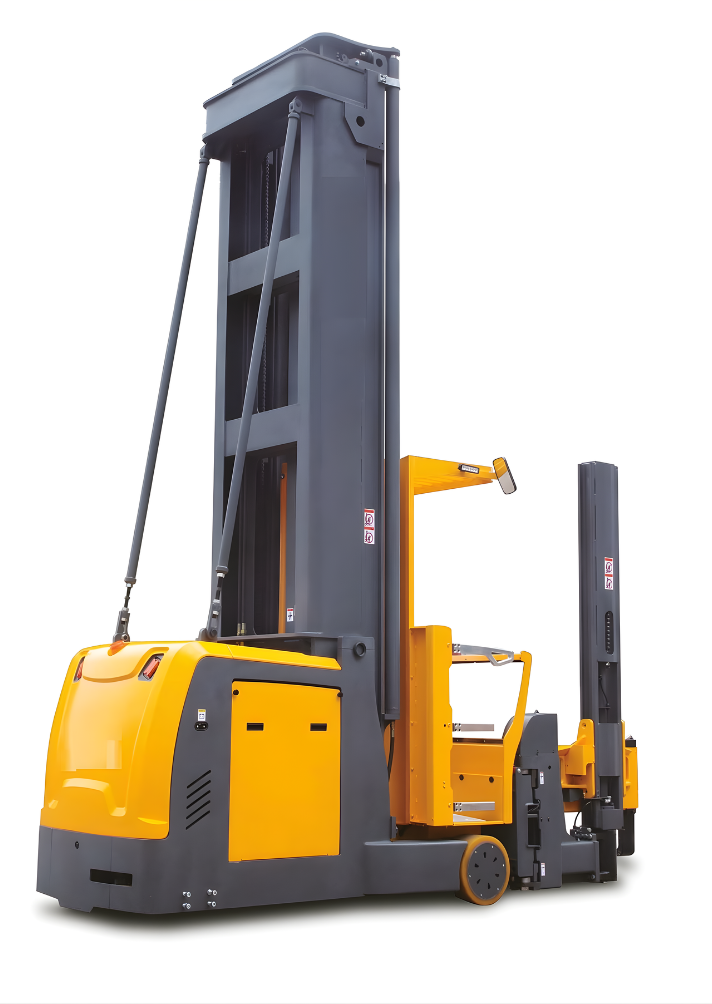 | Narrow Aisle Reach Trucks A narrow aisle reach truck is an electric warehouse vehicle designed for high-density storage, operating in aisle widths often less than 12 feet,... View product → |
 | REACH TRUCK be used i.e. for lifting, lowering, transporting of generally heavy palletized loads for primarily indoor use in factories and warehouses. View product → |