A goods lift that stops, moves slowly, trips its breaker or fails to align with a landing may have a hydraulic, electrical, mechanical, environmental or loading-related cause. By the end, you will be able to triage the symptom safely, collect useful evidence and decide whether an operator reset is appropriate or the lift requires isolation and professional repair.
Key takeaways
- Classify the fault before resetting: hydraulic, electrical, mechanical or overload.
- Never enter the pit or bypass a gate interlock during checks.
- Record loads, alarms, leaks, temperatures and repeat-failure conditions.
- Redesign the lift when building movement, loading errors or capacity exceed repairs.
What is causing the lift fault: hydraulic, electrical, mechanical or overload?
Start with the behaviour, not the control panel. Goods lift faults in Surat usually fall into four groups: hydraulic, electrical, mechanical or overload-related. Do not enter the pit or bypass an interlock during checks.
1. No upward movement: check the emergency stop, closed gate interlock and control circuit first. If controls respond, inspect motor operation, pump sound and hydraulic-oil level. A silent motor suggests electrical supply, contactor or control-circuit trouble; a running motor with no lift suggests low oil, pump failure or suction-side air.
2. Slow lifting: check for low or contaminated oil, a blocked suction filter, air in the cylinder, worn pump elements and an incorrectly set relief valve. Do not raise pressure as a general fix; it can overload the pump, cylinder and frame while leaving leakage or restricted flow unresolved.
3. Jerky or uneven travel: look for air, a guide obstruction, worn guide shoes, bent brackets and uneven loading. Check whether the problem occurs at one landing, which points toward alignment or impact damage.
4. Sudden stopping: inspect each gate interlock and limit switch, then check phase loss, overload protection and control voltage. A breaker that trips only after repeated cycles points to duty-cycle excess, rising oil temperature, poor motor cooling or too many starts—not automatically a failed panel.
Oil around hoses or seals indicates leakage. Platform creep under a stationary load points to valve or cylinder leakage. Abnormal noise suggests air, cavitation, worn bearings or guide friction; motor overheating demands isolation before further cycles. Record the symptom, load and cycle count for the technician.
What should an operator check before resetting or isolating the lift?
A safe reset is limited to a released emergency stop or a clearly closed gate with an understood cause; every other fault requires no-use status and competent repair. Use this sequence:
1. Stop forklift and pedestrian traffic around the lift. Check the rated capacity, pallet position, platform clearance and visible obstructions. Overloading or a shifted pallet can create goods lift warehouse issues in Surat that a reset will not fix.
2. Confirm that the platform is empty or safely loaded, each landing gate is closed, the emergency stop is released and nobody is on the platform.
3. Check the hydraulic-oil level only by the manufacturer’s specified procedure. Do not open pressurised components. Inspect hoses and fittings for cuts, bulges, abrasion or leakage, then look for water in the pit.
4. Listen for unusual pump, motor or guide noise. Record whether the platform is level at every landing and note any creep while stopped.
5. Reset only after confirming the cause and following site instructions. Do not reset repeated breaker trips, bypass an interlock, enter the pit or approach a leaking pressurised hose.
6. Isolate the lift under the site’s lockout/tagout procedure after structural impact, uncontrolled descent, exposed wiring or water ingress. Arrange professional repair; tightening a damaged pressure fitting is not a repair.
7. Test emergency lowering only under a controlled procedure with the area secured and the control protected from unauthorised use. Emergency lowering is for recovering goods and securing the lift, never permission to carry people.
How do Surat’s weather and warehouse conditions damage electro-hydraulic lifts?
Monsoon rain and waterlogging are major causes of electro-hydraulic goods lift problems in Surat. Water can enter through an unsealed pit, low-mounted power-pack enclosure, damaged cable gland or cable junction, then contaminate hydraulic oil or reach electrical components.
| Condition | Damage caused | Control |
|---|---|---|
| Monsoon water and flooding | Water-contaminated oil causes valve sticking, pump wear and seal damage; standing water corrodes guide rails, brackets, limit switches and exposed cylinder rods. | Raise or seal enclosures, protect cable entries, provide pit drainage or a sump, and sample oil after flooding. |
| Dust and textile lint | Debris blocks suction strainers, cooling surfaces and switches. | Clean strainers, motors, radiators and switch housings at condition-based intervals. |
| Chemical vapours and wet cleaning | Moisture and corrosive vapours accelerate rust on rails, fasteners, junctions and cylinder rods. | Control wash water, improve ventilation and repair damaged coatings after removing corrosion. |
| High ambient heat | Motor and oil temperatures rise, reducing lifting speed and causing overloads after repeated cycles. | Keep cooling surfaces clean and compare duty cycles with motor and oil temperature limits. |
| Irregular three-phase power | Undervoltage, phase loss, loose-terminal heating, contactor failure and incorrect control voltage cause stoppages. | Fit phase-failure protection, tighten terminals and measure voltage at the starter while the motor runs. |
Set inspections by cycle count, load profile, travel distance and ambient conditions, not calendar dates alone. Shorten intervals for dusty or wet areas and high-cycle service, and record oil condition, terminal tightness, stopping accuracy and interlock operation.
How do loading, gates, alignment and building conditions create repeat failures?
A replaced switch, hose or motor will fail again if the underlying load path remains wrong. For goods lift warehouse issues in Surat, inspect how loading forces reach the platform, guides and shaft before increasing hydraulic pressure.
1. Verify the rated capacity, platform dimensions, centre-of-gravity limits, loading orientation and floor bearing capacity. An off-centre pallet twists the platform; an overhanging load catches the shaft or gate; a rolling load adds impact as it stops. Prohibit loading until the platform is level with the floor.
2. Treat every forklift strike as a possible alignment fault. An impact can bend a landing gate, loosen guide brackets, damage sill angles or shift the frame. Tight spots at one level, rising noise, uneven stops and rapid guide-shoe wear point to this cause.
Install bollards, mark a setback loading zone, paint floor loading lines and complete a dimensional inspection after every impact.
3. Compare the actual arrangement with the civil and lift drawings. Check pit depth, overhead clearance, landing levels, guide support, anchor strength, drainage, maintenance access and emergency access. Building movement, inadequate anchors or water in the pit can recreate the fault that a new component temporarily hides.
4. For goods lift for problems warehouses in Surat, test every door and gate interlock at every landing. Never bypass one for production convenience. State that the platform carries goods only unless its design and approval specifically permit personnel travel; prohibit people from riding it otherwise.
What evidence should you collect, and when is equipment redesign or repair needed?
A technician can diagnose goods lift faults in Surat without a second visit only if you send operating data, drawings and measurements before arrival. Prepare the rated capacity, platform dimensions, lift height, motor rating, oil grade, pressure reading, cycle count, load pattern, fault history, wiring diagram, hydraulic schematic and maintenance records.
Record supply voltage at the lift starter while the motor runs; no-load voltage at the distribution board can hide undervoltage, phase loss or loose-terminal heating. Measure platform creep with a known load over a defined period, then establish whether leakage passes through the cylinder, valve block or pipework.
- Inspect pressure-rated hoses, fittings, seals, guide attachments and structural connections.
- Replace damaged parts with correctly rated components; do not treat tightening or sealant as a pressure repair.
- Compare actual cycles per hour, travel distance, load pattern and motor or oil temperatures with the specified limits.
- Record interlocks, limit switches, emergency stop, overload protection, stopping accuracy, oil condition and terminal tightness after repair.
| Evidence or finding | Likely remedy | When redesign is needed |
|---|---|---|
| Loose terminal, dirty oil or worn seal | Maintenance or component replacement | Not usually |
| Repeated overheating or overload trips | Cooling, protection or duty-cycle correction | Actual duty exceeds the specification |
| Corroded guide or structural connection | Replace and realign damaged parts | Loads, drainage or building conditions exceed the original arrangement |
| Persistent creep after component repair | Hydraulic diagnosis and replacement | The lift needs a revised cylinder, valve arrangement or specification |
For recurring electro-hydraulic goods lift problems in Surat, a competent manufacturer or custom engineering supplier such as Aguatech Engineers Pvt.ltd. can use this evidence to separate repair from altered protection, drainage improvement or a revised lift specification.
Related products
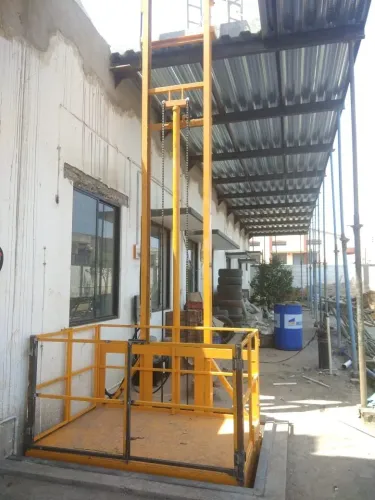
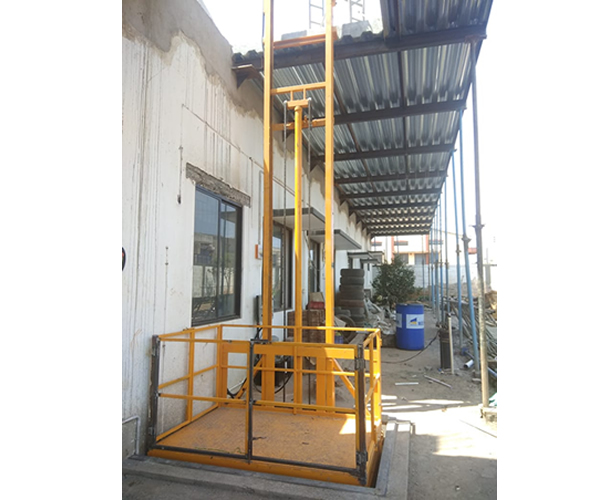 | GOODS LIFTS Goods or Cargo or Luggage lifts are basically used in industry shop floors for safe, secure, convenient and fast methods to transport loads from... View product → |
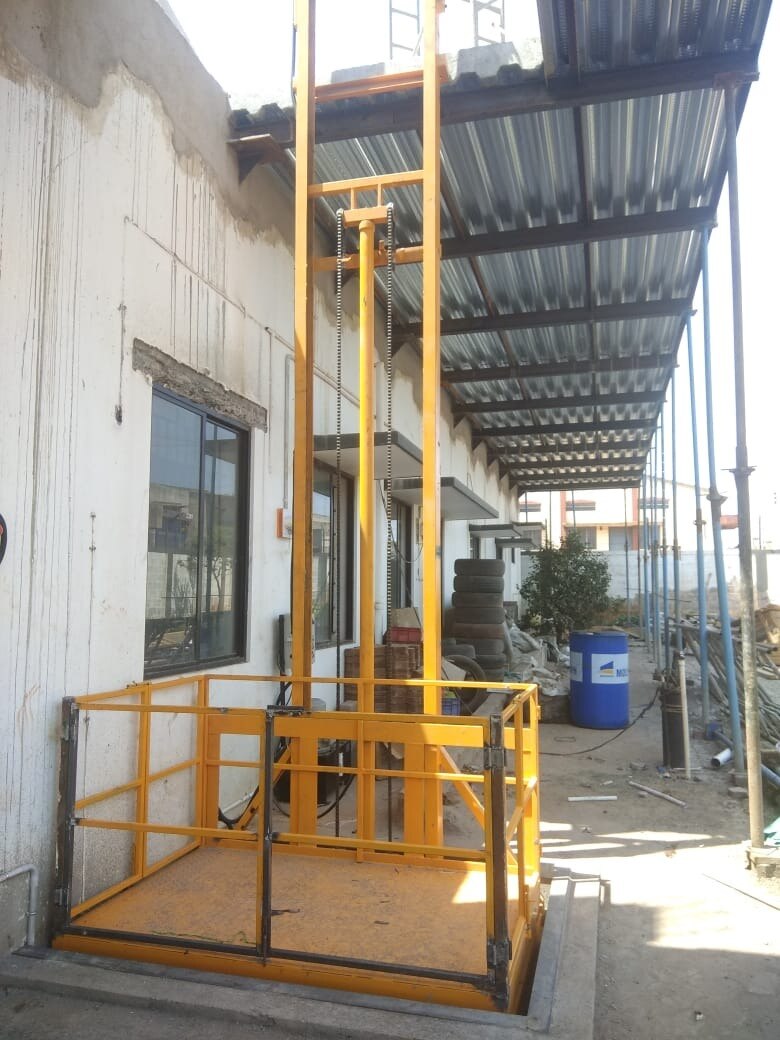
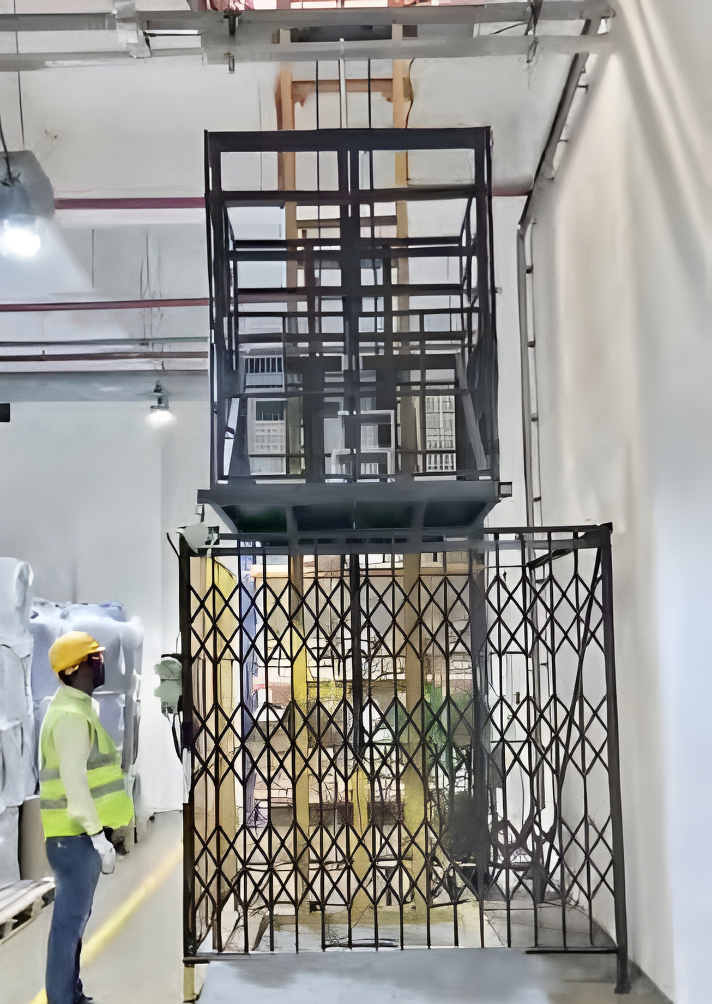 | GOODS LIFTS Goods or Cargo or Luggage lifts are basically used in industry shop floors for safe, secure, convenient and fast methods to transport loads from... View product → |
Frequently asked questions
What are the main causes of goods lift faults in Surat warehouses?
Classify the fault as hydraulic, electrical, mechanical or overload-related. Symptoms such as slow travel, oil leaks, tripped protection, noise and repeated overload trips help narrow the cause.
What should an operator check before resetting or isolating a goods lift?
Keep people clear, check the load and landing gates from a safe position, note alarms and unusual sounds, and isolate the lift under your site procedure. Do not enter the pit or bypass an interlock.
How can Surat weather and warehouse conditions damage electro-hydraulic lifts?
Heat, humidity, dust, water ingress and monsoon exposure can degrade electrical connections, control components, hydraulic oil, seals and sensors. Improve enclosure protection, housekeeping, drainage and inspection frequency.
How do loading, gates, alignment and buildings create repeat lift failures?
Off-centre or excessive loads stress the platform and guides. Misaligned gates, damaged thresholds, uneven floors and building movement can prevent interlocks from closing or make the platform bind.
When does a goods lift need repair, redesign or replacement?
Repair isolated component failures after finding the root cause. Redesign the system when capacity, travel, loading pattern, shaft alignment, drainage or building conditions repeatedly exceed the original design.