The right choice depends on more than rated lifting capacity: fork height, load centre, aisle geometry, travel distance, floor condition and daily duty cycle all change the result. By the end, you can separate short indoor pallet work from duties that require a counterbalance diesel forklift and prepare a specification that suppliers can price accurately.
Key takeaways
- Check capacity at the actual load centre and maximum fork height.
- Choose a pallet truck for floor transport, picking, or light stacking.
- Measure aisle width before selecting a diesel forklift or high lift truck.
- Include heat, dock surfaces, ventilation, fuel, maintenance, and operator effort.
Compare capacity, lift height, speed and aisle space before comparing prices
A high lift pallet truck versus diesel forklift in Surat is a performance decision before it is a price decision. Compare the rating plate at the actual load-centre distance and fork height; a nominal 1,000–1,500 kg rating can fall at maximum lift or with a deeper pallet.
| Option | Capacity and lift height | Travel speed and aisle space |
|---|---|---|
| High lift pallet truck | Usually suited to lighter indoor loads and short-distance stacking. Check residual capacity at the intended lift height; maximum fork height is not the same as usable rack height. | Lower travel productivity because the operator walks with or behind it. Smaller turning envelope, lower noise and narrower aisle requirement. |
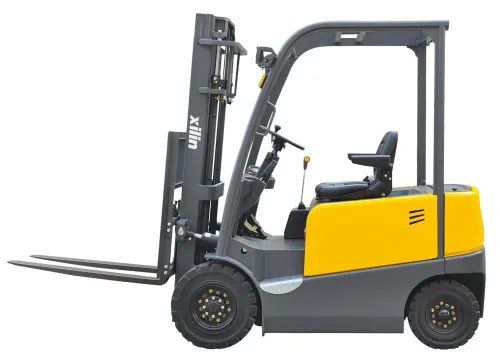
| Diesel forklift | Suited to heavier loads, frequent lifting and outdoor travel. Confirm rated capacity at the stated load centre, maximum lift and attachment configuration. | Ride-on operation supports faster repeated travel, but braking distance, turning radius and load visibility demand wider aisles and controlled intersections. |
Measure the aisle from rack face to rack face with the largest pallet loaded, then confirm turning clearance at doors and dock plates. A compact high lift pallet truck may fit space that excludes a diesel forklift, but a walking operator faces greater exposure in mixed pedestrian traffic.
Compare duty cycles per hour, loaded travel distance, floor gradients and indoor/outdoor use before reviewing purchase price. Diesel adds fuel, engine servicing, oil handling and exhaust controls; a battery high lift pallet truck adds charging space, battery maintenance and charging time. Neither machine is safe through speed limitation alone: separate pedestrians and vehicles where practicable.
Match the machine to floor transport, order picking or pallet stacking
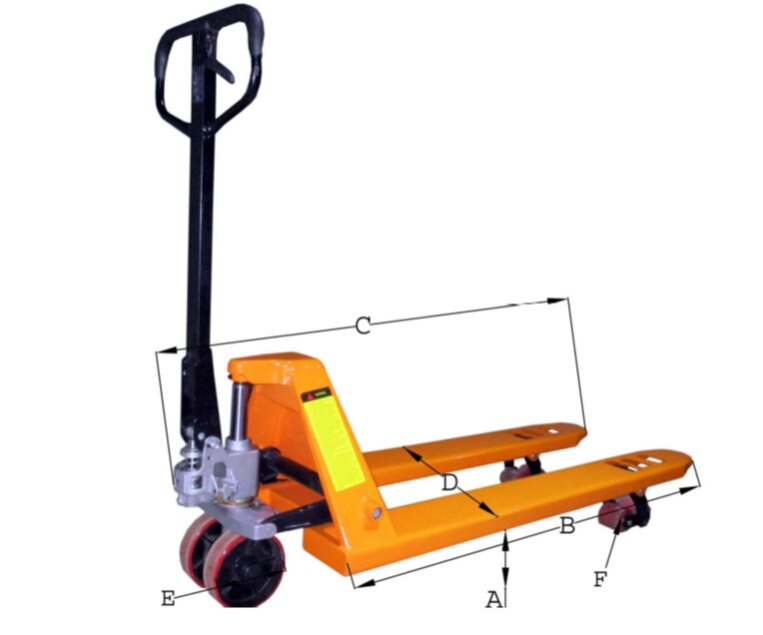
Use a hand pallet truck for floor-level transport, a high lift pallet truck for ergonomic positioning or short-distance elevation, and a manual stacker when you need occasional pallet stacking without a powered forklift.
| Option | Best use | Main limitation |
|---|---|---|
| Hand pallet truck | Moving pallets between receiving, storage and dispatch on level floors | Cannot stack pallets or lift them to a useful work height |
| High lift pallet truck | Raising pallets for order picking, packing or short-distance positioning | Walking operation limits speed and long-aisle productivity |
| Manual stacker | Occasional pallet stacking at modest heights in compact areas | Manual pushing and lifting become tiring during repeated cycles |
| Diesel forklift | Continuous dock work, rough yards, long travel and high-level racking | Needs more aisle space and creates indoor exhaust and noise |
Do not treat “high lift” as a complete specification. Some machines only raise forks to a comfortable working height; a high-lift pedestrian stacker uses a mast to place pallets into racks. Confirm the maximum fork height, usable stacking height at the stated load, and residual capacity at that height.
Use this decision sequence:
- Choose a hand pallet truck if every move stays at floor level and the route is short and smooth.
- Choose a high lift pallet truck for order picking, packing or occasional elevation in level warehouse aisles.
- Choose a manual stacker for intermittent stacking where travel distances and cycle counts remain low.
- Choose a diesel forklift when pallets cross uneven outdoor surfaces, enter trucks directly, or move continuously over long aisles.
Account for Surat floors, docks, heat and indoor air quality
A smooth, level indoor floor and controlled air favour a high lift pallet truck; uneven yards, trailer transitions and long outdoor travel favour a diesel forklift. The wrong match creates instability, struck edges or excessive operator fatigue.
| Condition | High lift pallet truck | Diesel forklift |
|---|---|---|
| Level warehouse floor | Compact handling with a small turning envelope; inspect joints, ramps and floor gradients | Works, but its larger turning space can reduce aisle clearance |
| Uneven yard or rough approach | Poor choice; small wheels and limited ground clearance can lose stability | Better suited to outdoor surfaces and longer travel |
| Indoor air quality | Removes on-site diesel exhaust, fuel handling and engine oil; charging still needs a designated, ventilated area | Requires exhaust control, maintenance and ventilation; monitor carbon monoxide where enclosed work or loading bays create exposure risk |
| Dock and trailer loading | Use only with a rated, secured dock leveller or bridge plate and a smooth transition | Greater ground clearance and operator protection across suitable dock plates |
Surat heat adds a second check. High temperatures can shorten battery life, reduce available runtime and increase charging demand, while diesel cooling systems and tyres need inspection before extended outdoor work. Ask the supplier for the permitted ambient-temperature range and any capacity derating.
Before selecting either machine, verify:
- Floor load rating, cracks, gradients and drainage
- Dock-plate rating, trailer restraint and dock-edge protection
- Indoor-to-outdoor travel percentage, aisle length and required battery or fuel autonomy
A high lift pallet truck suits level aisles and short transfers. Choose the diesel forklift when dock work, uneven ground or outdoor mobility is central to the duty cycle.
Compare fuel, maintenance, operator effort and operating risk
Diesel fuel and engine servicing add recurring cost to every shift; a battery-powered high lift pallet truck removes those items but replaces them with charging infrastructure and battery care.
| Option | Daily cost inputs | Operator and risk effect |
|---|---|---|
| Diesel forklift | Diesel, engine oil, filters, cooling-system checks, tyre wear and scheduled servicing. | A trained, authorised operator is required. Exhaust raises ventilation and carbon-monoxide-control costs indoors, while fuel storage adds handling risk. |
| High lift pallet truck | Electricity for charging, charger installation, battery inspections, water topping-up for lead-acid batteries and eventual battery replacement. | No engine exhaust and less noise indoors. The operator walks with or behind the truck, so long aisles and repeated lifts increase fatigue; a secured dock leveller or bridge plate is essential. |
| Manual stacker | No fuel or charging cost, but pumping effort, slower travel and periodic hydraulic inspection consume labour time. | Lowest energy risk, but pushing, steering and raising heavy loads increase manual-handling strain and reduce throughput. |
Compare energy and maintenance with labour, not against the purchase price alone. A diesel forklift earns its cost when outdoor travel, heavy loads or continuous lifting keeps it productive; a high lift pallet truck suits short indoor moves and intermittent stacking.
Charge batteries in a designated ventilated area with suitable electrical protection, clear access and spill controls. Keep diesel forklifts out of enclosed bays unless ventilation and exhaust controls are adequate. At docks, trailer restraint, dock-edge protection and a rated transition matter more than the truck label.
Build a duty-cycle specification and check local support
Give the supplier a measured duty cycle, not a request for “the most efficient” machine. For a high lift pallet truck versus diesel forklift in Surat, record the actual load, travel pattern, floor and dock conditions, then ask for a written recommendation based on those figures.
- Maximum pallet dimensions, load weight and load-centre distance
- Required fork height and usable stacking height at the heaviest load
- Aisle width, turning clearances, rack and doorway dimensions
- Trips per hour, travel distance per trip, operating hours and peak workload
- Floor gradients, surface damage, dock-plate rating, trailer access and indoor/outdoor percentage
- Required battery autonomy or fuel endurance, plus charging or refuelling location
- Pedestrian crossings, blind corners, dock edges and traffic-separation measures
| Option | High lift pallet truck | Diesel forklift |
|---|---|---|
| Duty fit | Short indoor moves and occasional stacking | Intensive cycles, heavy loads and outdoor travel |
| Dock requirement | Secured, rated leveller or bridge plate with a smooth transition | Counterbalance access with suitable dock-plate and trailer controls |
| Support check | Battery, charger, wheels, controls and mast spares available in Surat | Engine, transmission, tyres, hydraulics and emissions-related servicing available locally |
Ask Aguatech Engineers Pvt.ltd. to state residual capacity at the specified lift height, not only the rated capacity. Also confirm technician response time in Surat, spare-parts lead times, warranty exclusions, battery-service arrangements and operator training; a low purchase price becomes expensive when one failed charger or hydraulic component stops the warehouse.
Related product
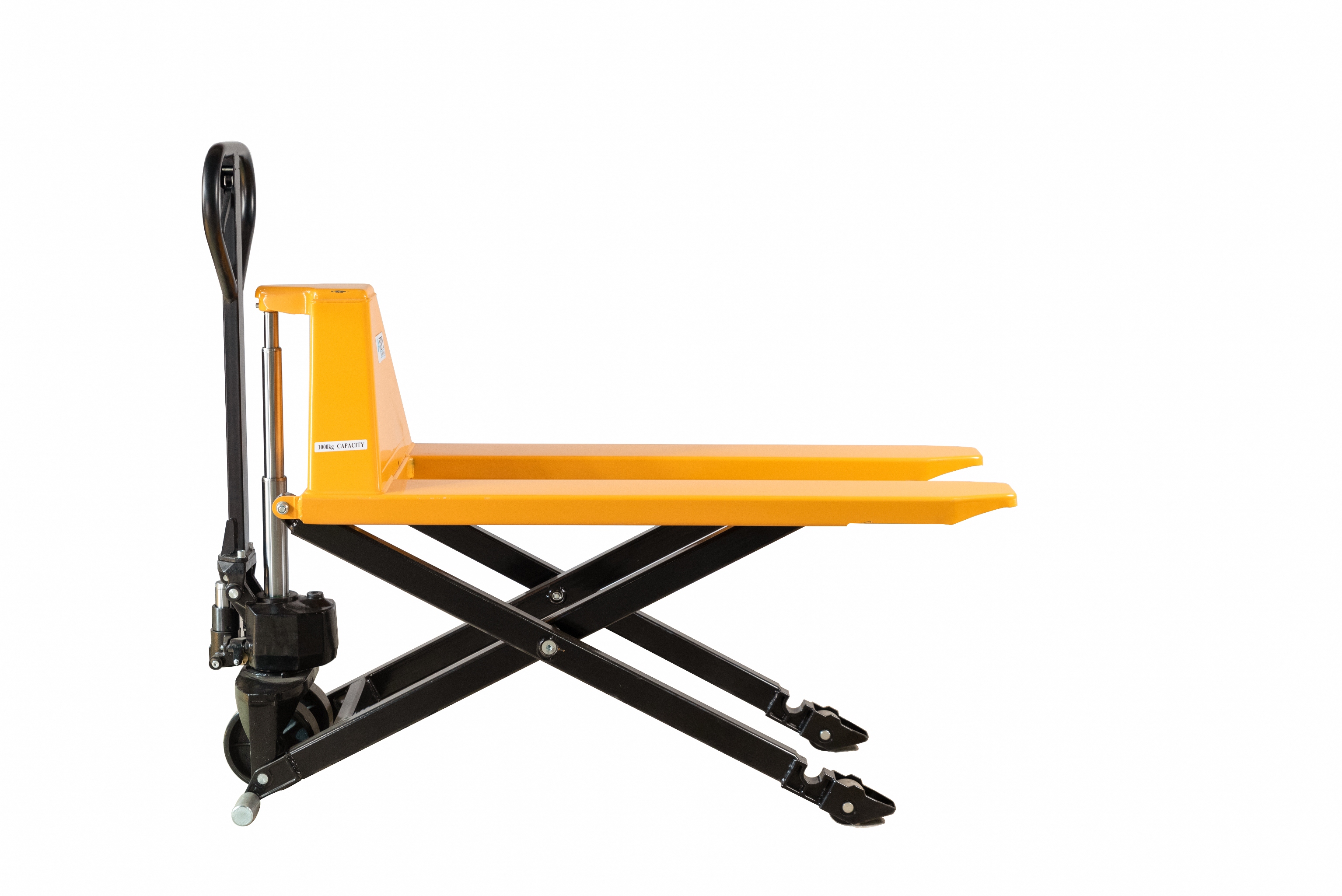 | Pallet Trucks A pallet truck (also known as a pump truck or pallet jack) is a wheeled trolley designed to lift and transport pallets. View product → |
Frequently asked questions
How do you compare a high lift pallet truck with a diesel forklift?
Compare rated capacity at the required load-centre distance and lift height, then check travel speed, aisle width, turning space, and the task being performed.
When is a high lift pallet truck better than a diesel forklift?
Choose a high lift pallet truck for floor transport, order picking, and pallet stacking where loads are moderate and indoor manoeuvrability matters more than high travel speed.
What Surat site conditions affect the choice?
Check floor joints, dock gradients, loading surfaces, heat, ventilation, indoor air quality, and the transition between indoor and outdoor work areas.
What operating costs should you compare?
Compare fuel or charging costs, scheduled maintenance, tyre and battery expenses, operator effort, downtime, emissions controls, and the risk created by each machine.
What information should a duty-cycle specification include?
Record load weights, load-centre distances, lift heights, travel distance, operating hours, aisle width, floor conditions, dock use, indoor exposure, and local service support.