
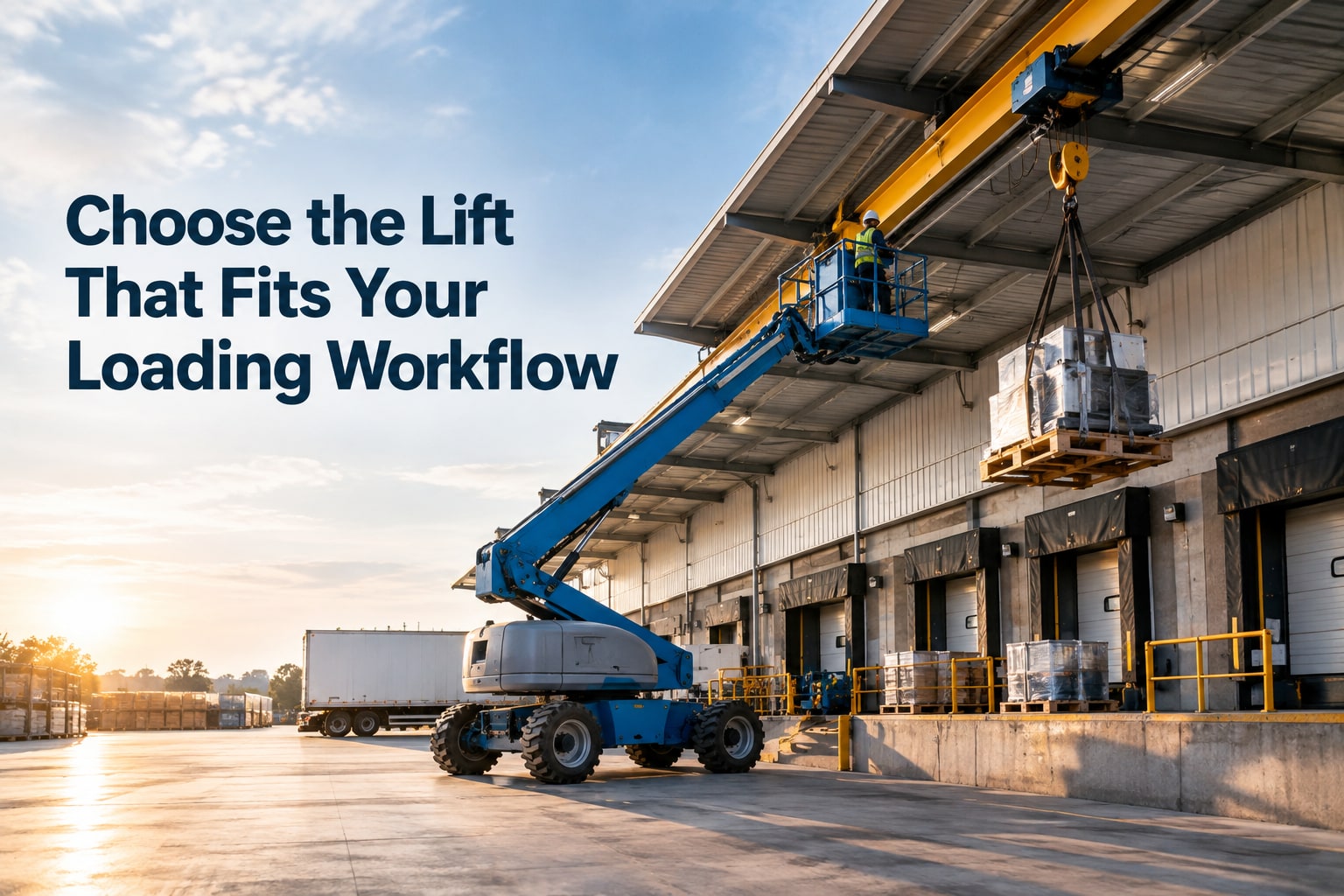
A boom lift positions people in a guarded platform; a monorail crane suspends loads from a hook along a fixed route. The correct choice depends on the task, load path, building structure, vehicle movement, safety controls, and total operating burden—not the headline capacity alone.
Key takeaways
- Use a telescopic boom lift for people; use a monorail crane for suspended loads.
- Check floor strength, overhead clearance, travel path, wind exposure, and power supply.
- Compare payload, reach, cycle time, setup, operator training, inspections, and downtime.
- Ask suppliers for site drawings, load charts, maintenance plans, and compliance documents.
Start with the task: people in a platform or loads on a hook?
The first decision is simple: do you need people in a platform or loads on a hook? That distinction drives this industrial lifting comparison.
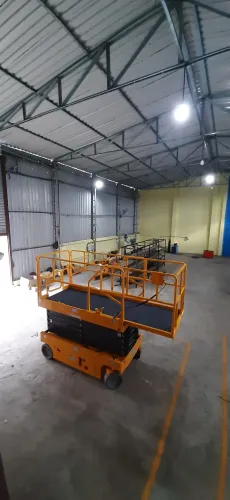
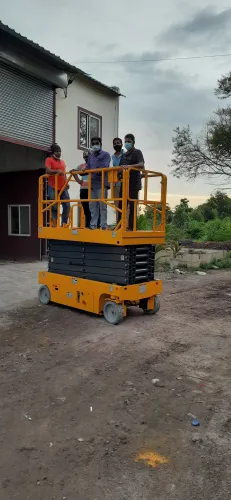
A telescopic boom lift is a mobile elevating work platform for operators, tools, and approved platform contents; its rated capacity is not a pallet, drum, motor, or container hanging below the boom.
| Option | Best fit | Critical limitation |
|---|---|---|
| Telescopic boom lift | Inspecting a truck roof, connecting a tarpaulin, positioning workers above a trailer, or maintaining vehicles at changing locations | It needs access, stabilisation space, and a load chart matched to extension, elevation, orientation, platform configuration, and stabiliser position |
| Monorail crane | Repeatedly moving a motor, die, drum, or pallet between fixed points beneath one runway | It cannot move to another dock and is not an elevated work platform |
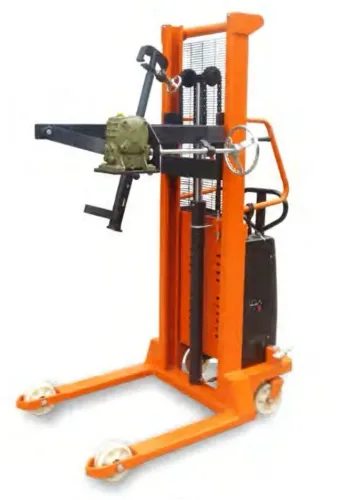
A monorail crane uses a runway beam, trolley, hoist, hook, and pendant or radio control. It lifts suspended loads along one fixed path, so it suits repeatable transfers rather than changing truck positions.
- State the task: worker access or suspended-load handling.
- If moving a pallet or drum, record load weight, centre of gravity, dimensions, pick-up points, lift height, horizontal reach, travel path, rotation, truck-door geometry, and daily cycles.
- Compare platform occupancy and required positioning accuracy for access work; compare hook height, reach, lifting frequency, and route for loads.
- Check alternatives before selecting either machine: a telehandler, forklift, jib crane, goods lift, dock lift, or mobile crane may fit better.
Which machine fits the loading-area workflow?
A mobile telescopic boom lift fits variable truck positions; a monorail crane fits frequent transfers between fixed points. Choosing a telescopic boom lift or monorail crane in Pune requires an industrial lifting comparison based on movement and accuracy, not rated capacity alone.
| Option | Travel pattern | Positioning and limitation |
|---|---|---|
| Telescopic boom lift | Drives and turns beside different bays | Flexible placement, but needs clear access, stabilisation space, and room around the vehicle |
| Monorail crane | Trolley travels along one designed runway | Repeatable hook positioning with minimal floor occupation; it cannot reach an adjacent dock without another runway, switch, or transfer car |
Record these six figures before requesting quotations:
- Load weight and lift height
- Horizontal reach and travel distance
- Lifting frequency and required positioning accuracy
Then measure platform occupancy for worker tasks, setup time, repositioning time, operating speed, and the queue created during loading. A Pune bay with trucks stopping at variable positions usually favours a boom lift. A motor moving from one fixed unloading point to one fixed machine line many times per shift usually favours a monorail.
Compare the boom-lift load chart at the actual boom extension, elevation, machine orientation, platform configuration, and stabiliser position. Its allowable capacity changes with those conditions. Compare the crane’s safe working load at the planned span, trolley position, duty cycle, and hook height.
A high capacity figure does not correct a poor match between the machine’s travel path and your loading workflow.
Can the building, yard, and weather support the choice?
A monorail crane needs an engineered runway, while a telescopic boom lift needs a verified operating surface and deployment envelope. Do not assume existing warehouse steel can carry a crane.
For a monorail crane, obtain structural calculations covering the planned span, duty class, runway alignment, columns or portal-frame connections, wheel loads, impact effects, structural connections, end stops, travel limits, and anti-collision provisions. Check the hoist brake, upper and lower limits, emergency stopping, rated-capacity marking, and future access for inspection.
The fixed route must remain above every planned loading point.
For loading area equipment in Pune, complete this site checklist before choosing either system:
- Measure clear height, column spacing, trailer position, overhead obstructions, dock-edge protection, turning radius, vehicle routes, and parking space.
- Check the slab, trench covers, dock edges, paving, underground services, and concentrated outrigger reactions; average machine weight is not enough.
- Provide charging or refuelling space and deployment room for a boom lift, including stabiliser clearance around the truck.
- Specify rainwater protection, drainage, corrosion control, electrical protection, tyre traction, and operation on wet or contaminated paving.
- Confirm platform height, rated capacity, outreach at that capacity, width, turning radius, gradeability, indoor suitability, and wind limit.
- Reject any machine that blocks trucks, contacts overhead steel, exceeds travel space, or loses traction.
A boom lift avoids runway construction but still needs a suitable floor. A monorail preserves floor space only when its engineered path fits the building and workflow.
What controls make either system safe and compliant?
Define the exclusion zone before selecting equipment: separate people, vehicles, the boom-lift envelope, and the monorail hook path with barriers and marked access routes.
1. For a boom lift, control crushing and entrapment between the platform or boom, truck body, dock structure, and overhead steel. Confirm fall protection and harness requirements, emergency lowering, interlocks, platform controls, outrigger deployment, stability, wind limits, and overhead power-line clearance.
2. For a monorail, prevent anyone from standing beneath a suspended load. Control access below the hook path, prohibit side pulling and dragging, and keep the hook vertically above the load. Mark the appliance safe working load and show load-identification points on the lifting plan.
3. Segregate vehicle traffic, appoint a banksman, install pedestrian barriers, test emergency stops, and document a recovery plan for a trapped operator, dropped load, power failure, or vehicle impact.
4. Inspect a boom lift’s tyres, hydraulic circuits, boom structure, platform controls, emergency lowering system, and stabilisers. Inspect a monorail’s runway, trolley wheels, rope or chain, hook, brake, limit switches, end stops, and structural connections.
For loading area equipment in Pune, retain rated-capacity markings, manufacturer manuals, inspection and test records, maintenance logs, operator authorisation, training evidence, and electrical-isolation procedures in Maharashtra. Arrange statutory inspection and competent-person examination at the required intervals for the selected appliance and site risk assessment.
This documentation is part of the industrial lifting comparison, not paperwork added after purchase.
How should you compare cost, throughput, and supplier support?
Calculate total ownership, not purchase price. For a monorail, include structural engineering, runway steel, installation, electrical work, commissioning, end-stop and anti-collision systems, inspections, hoist maintenance, and downtime when the fixed route is unavailable.
A telescopic boom lift adds delivery or mobilisation, operator training, inspections, hydraulic and tyre maintenance, batteries or fuel, charging or refuelling, parking, surface repairs, and repositioning time.
| Option | Ownership focus | Throughput constraint |
|---|---|---|
| Monorail crane | Runway, hoist, structure, controls, inspections, maintenance | Efficient only along its fixed route |
| Telescopic boom lift | Mobilisation, power, tyres, hydraulics, parking, service | Setup and repositioning between bays |
Estimate cycles per shift, loading delays, truck queues, setup time, and the cost of taking a bay out of service for installation or repair. Choose a boom lift for workers accessing truck roofs at changing bays; choose a monorail crane for lifting a known motor repeatedly along one fixed dock line.
If the work combines both tasks, specify separate appliances. Never suspend loads from a worker platform.
Before requesting quotations for telescopic boom lift or monorail crane in Pune, ask for:
- Exact model load chart, dimensions, reach, duty rating, and environmental suitability
- Structural calculations where required, inspection plan, spare-parts support, emergency service, and operator training
Aguatech Engineers Pvt.ltd. can be one supplier to include when comparing loading area equipment in Pune, provided its proposed configuration matches your site survey and task specification.
Related products
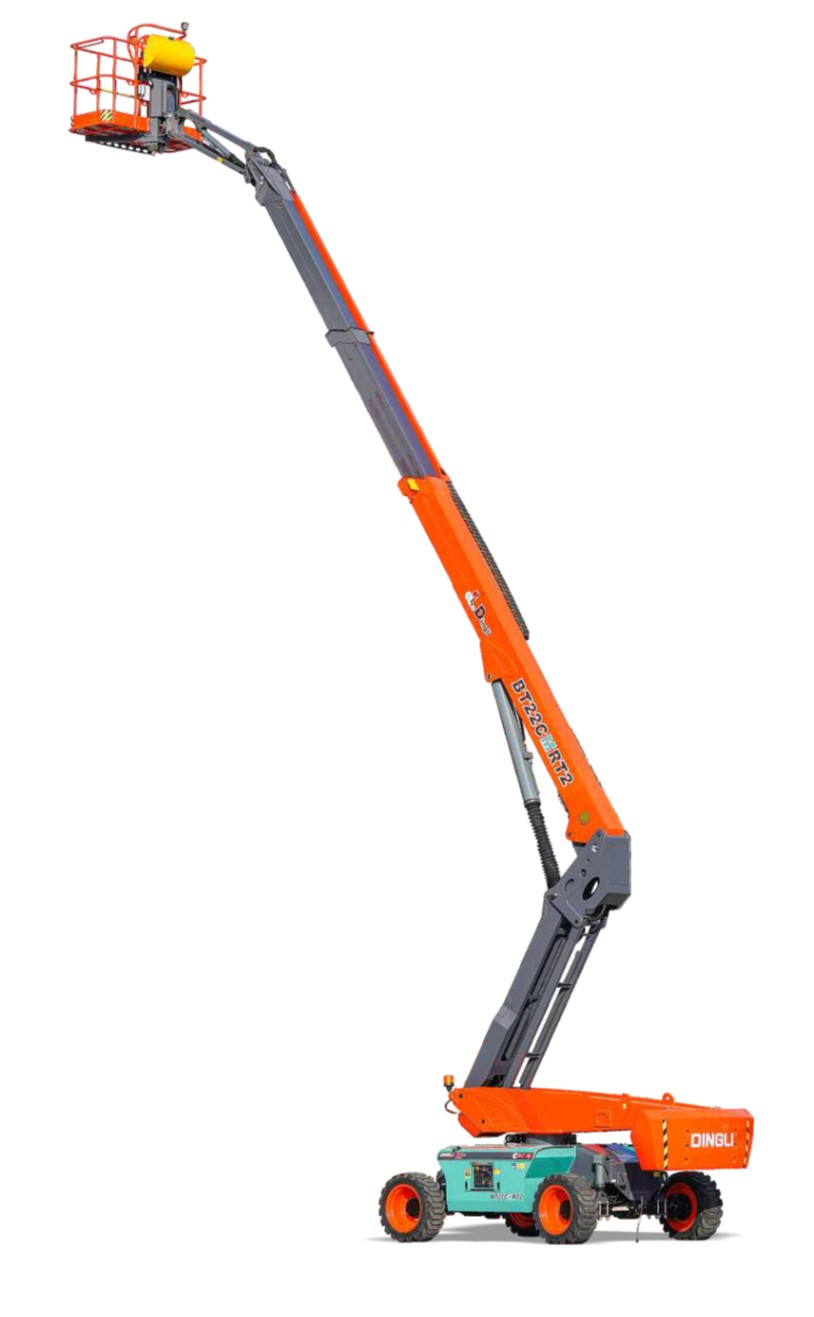 | Telescopic Boom Lift A telescopic boom lift is a mobile elevated work platform featuring a straight, hydraulic telescoping arm that extends directly outward and upward,... View product → |
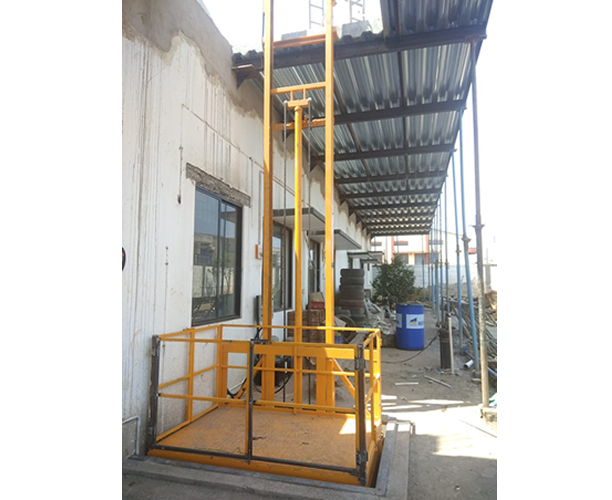 | GOODS LIFTS Goods or Cargo or Luggage lifts are basically used in industry shop floors for safe, secure, convenient and fast methods to transport loads from... View product → |
Frequently asked questions
When should you choose a telescopic boom lift over a monorail crane?
Choose a telescopic boom lift when workers need an elevated platform for inspection, maintenance, or access. Choose a monorail crane when you need to move loads on a hook along a fixed route.
What site conditions affect the choice between these loading-area machines?
Check floor capacity, ground condition, overhead clearance, door and roof dimensions, travel path, wind exposure, power availability, and vehicle movement before selecting equipment.
What safety controls should a loading area have for either system?
Use trained operators, defined exclusion zones, rated load charts, pre-use inspections, emergency controls, and documented maintenance. Keep people clear of suspended loads and the boom-lift platform’s movement area.
How should you compare the cost of a telescopic boom lift and monorail crane?
Compare purchase or rental cost with installation, civil work, operator time, inspection, maintenance, energy, setup, cycle time, and downtime. Match the calculation to your actual loading workflow.
Related product
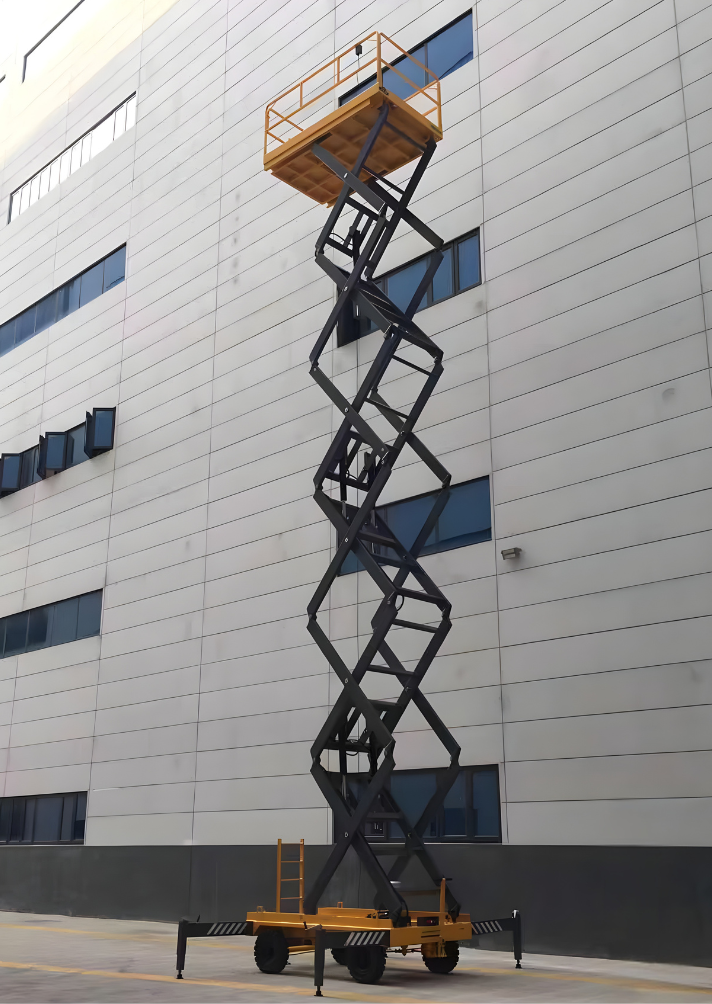 | HIGHLIFT MAINTAINANCE PLATFORM These are perhaps a revolutionary kind of equipment to be designed which almost replaced the conventional ladders which have their own limitations... View product → |