The right choice depends less on the biggest load you can name than on travel height, traffic frequency, load shape and the building space available. By the end, you will be able to separate loosely used equipment terms, match the lift type to your operating profile and compare Pune quotations without overlooking civil work, safety controls or maintenance demands.
Key takeaways
- Compare travel duty, load dimensions and traffic before choosing lift terminology.
- Keep people out of the lift during goods movement with interlocked controls.
- Choose hydraulic or traction after checking travel height, pit and machine-room needs.
- Compare Pune quotations by scope, safety systems, installation and support—not capacity alone.
Goods Lift and Freight Elevator: What Is the Actual Difference?
A goods lift comparison in Pune starts with travel duty, not the name on the quotation. Suppliers often use goods lift and freight elevator interchangeably, but the design, controls and building requirements can differ sharply.
| Type | Mechanism and duty | Enclosure, access and use |
|---|---|---|
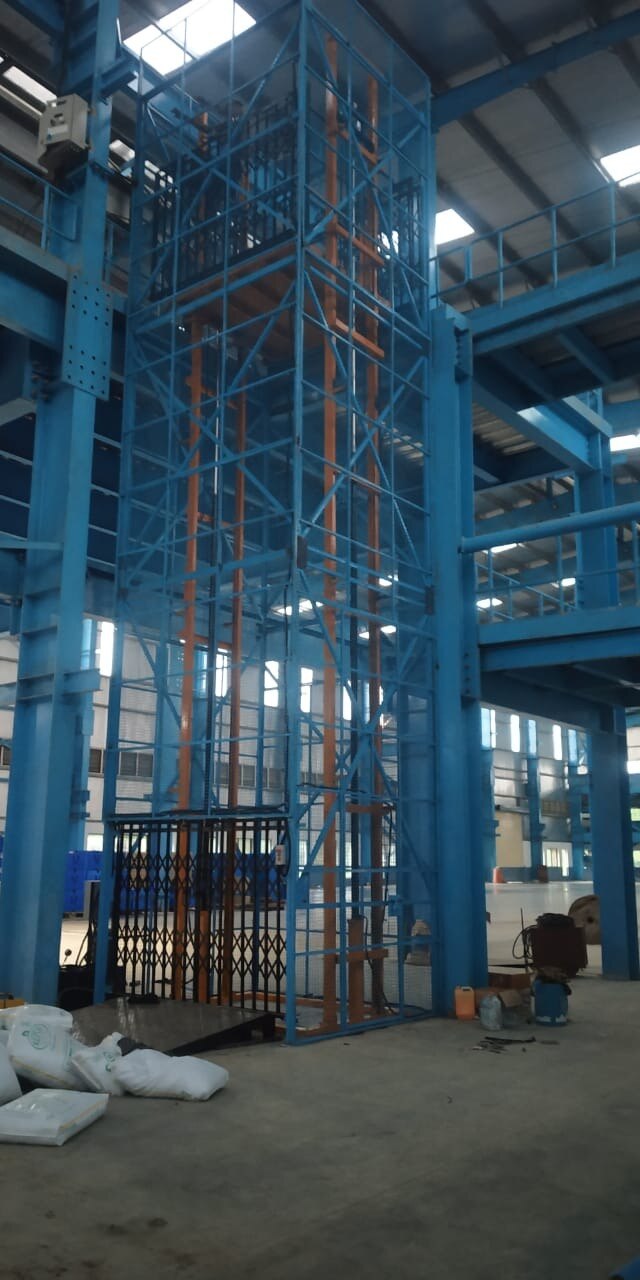
| Platform goods lift | Hydraulic or traction; intermittent, low-to-moderate traffic and rated loads matched to the deck | Open or guarded platform; controlled loading; people prohibited |
| Cage lift | Hydraulic or traction; enclosed goods movement with a stated duty cycle | Caged car, landing gates and interlocks; enclosure does not make it a passenger lift |
| Service lift | Usually a smaller enclosed lift serving defined floors and lighter, regular loads | Compact doors and controls; suitable for people-free service movement |
| Freight elevator | Hydraulic or traction; repeated goods traffic, higher duty and robust landing interfaces | Fully enclosed car, stronger doors, controls and sills; passengers remain prohibited unless specifically certified |
The comparison must include travel speed, stopping accuracy, rated load, loading direction, door strength, control access and expected trips per hour. A platform lift suits intermittent pallet or trolley movement; a freight elevator suits repeated enclosed dispatch where levelling accuracy and door durability affect throughput.
Ask whether the quoted equipment is hydraulic or traction, whether passengers are prohibited, how the car is guarded, and what duty rating supports the stated performance. Hydraulic systems bring oil temperature, leakage control and emergency-lowering questions; traction systems require overhead space, counterweight travel, rope access and guide-rail support.
A 2,000 kg capacity is only a nominal figure. Request the complete specification: car or platform dimensions, clear openings, travel, stops, speed, levelling tolerance, door and sill design, controls, duty cycle and building-interface drawing. For a goods lift or freight elevator in Pune, the quoted label matters less than those details.
Match the Lift to Your Floors, Loads and Traffic
A 2,000 kg rating does not prove that a lift can carry a 2,000 kg forklift and pallet. Check the deck, sill, rails, cabin floor and landing slab for concentrated wheel loads, point loads and loading impact, not only uniformly distributed weight.
For a goods lift for factories in Pune, record building height, lifting height, number of stops, operating hours, peak moves per hour, average and maximum load, pallet dimensions and load-centre position. Also measure shaft width and depth, pit and overhead space, clear door opening, cabin height, turning clearance, forklift approach, mast clearance and allowable overhang.
| Operating profile | Likely fit | Main check |
|---|---|---|
| Low-volume, low-rise movement | Goods lift | Platform loading, landing access and occasional-cycle duty |
| High-frequency, multi-floor dispatch | Freight elevator | Door cycle rate, motor, brake, cooling and annual cycles |
A goods lift comparison in Pune is incomplete without the landing interface. Require this specification checklist:
- Safe working load and concentrated wheel-load limit
- Platform length, width and clear cabin height
- Number of stops, lifting height and loading direction
- Travel speed and stated trips per hour
- Power supply, isolator and control voltage
- Levelling tolerance, sill strength and landing-floor flatness
- Shaft, pit, overhead and structural requirements
- Test with your actual pallet truck or forklift
Select by the largest load envelope, not weight alone. A narrow door, short platform or poor levelling can make a correctly rated lift unusable.
Design the Loading Cycle Around People-Free Goods Movement
Treat a goods lift for factories in Pune as a people-free transfer route, not a room that workers enter casually. The landing, sill, car floor and approach must work together; a poor threshold or tight turn can make a correctly rated lift unsafe to load.
1. Bring the pallet truck or forklift square to the landing. Check that the approach is flat, the mast clears the cabin, and the load will not strike the door frame.
2. Open the landing door only after the car is present and level. Do not bridge a large gap with loose boards.
3. Place the pallet inside the marked floor area, then centre it over the platform. Check that wheel loads, pallet feet and forklift impact stay within the design limits.
4. Reject uneven pallets, shifted loads and leaking liquid containers until they are repacked or secured. Restrain tall or unstable goods, and keep cartons inside the clear opening and turn radius.
5. Close the car gate and landing door fully. Use the call and send controls; never hold or bypass an interlock.
6. Verify the destination before opening the landing door and unloading. Keep people clear while the pallet truck or forklift exits.
Specify landing-door interlocks that stop movement with a door open and prevent opening outside the landing zone. Assess overload protection, emergency stop, final limits, buffers, anti-fall or overspeed protection, phase or voltage protection and controlled emergency lowering.
If people must routinely travel in the car, buy a lift designed and certified for passenger carriage, not an adapted material lift.
Choose Hydraulic or Traction After Checking the Building
A goods lift comparison in Pune starts with travel duty, not rated capacity. Hydraulic equipment suits low- or medium-rise, intermittent movement, provided the design includes oil-tank location, pipe routing, heat dissipation, leakage containment, oil-temperature control and safe manual or battery-backed lowering.
Traction equipment suits greater travel, frequent cycles and higher speed, but needs overhead or machine space, counterweight travel, rope and sheave access, guide-rail bracket reactions and adequate pit depth.
| Option | Energy per trip | Noise and maintenance | Site consequence |
|---|---|---|---|
| Hydraulic | Usually higher for repeated upward travel | Accessible power unit; inspect oil, seals and temperature | Contain leaks and protect equipment from pit water |
| Traction | Usually lower on frequent cycles | More rope, sheave and brake access; strong repeated-cycle performance | Provide machine or overhead space, counterweight clearance and rail-support structure |
For a goods lift or freight elevator in Pune, make monsoon protection part of the purchase: specify pit waterproofing, drainage or a sump, raised electrical components and the party responsible for keeping the pit dry. Oil entering soil, drains or equipment creates a cleanup and compliance problem, not merely a maintenance call.
Before ordering, have the architect, fire consultant and relevant authority resolve:
- Shaft construction, fire-rated landing doors, ventilation and emergency access.
- Electrical isolation, emergency lowering and local approval routes.
- The complete building-interface drawing, including pit, overhead, structural reactions and maintenance access.
A supplier’s standard drawing does not establish building compliance.
Compare Pune Supplier Quotations on Scope, Not Just Capacity
A cheap quotation is not comparable if it excludes the shaft, electrical work or commissioning. Ask every industrial goods lift supplier in Pune to price the same duty profile: trips per hour, operating hours per day, average and maximum load, loading method and expected annual cycles.
| Quotation item | State separately |
|---|---|
| Lift supply | Capacity, travel, stops, doors, controls and warranty |
| Building interface | Complete shaft, pit, overhead, structural reactions and floor-load drawing |
| Site works | Shaft and pit, structural steel, ramps, dock leveller, rain protection and unloading equipment |
| Services | Power cabling, isolator, earthing, fire-alarm interface and ventilation |
| Completion | Statutory inspection, commissioning tests, annual maintenance and spares |
Require the drawing to show pallet and forklift approach, clear door opening, sill levels, cabin height, turning clearance and concentrated wheel loads. Ask for door and sill details, emergency-lowering arrangements, exclusions and a test using your actual pallet truck or forklift.
The purchase order must name the compliance route and edition, not “international standards”. Identify the applicable Indian and Maharashtra requirements, or specify an exact EN 81 edition or ASME A17.1/CSA B44 edition, then demand a compliance matrix, test certificates and named inspection responsibility.
A goods lift for factories in Pune also needs a clear boundary between supplier and builder. Aguatech Engineers Pvt.ltd. can be compared fairly with other bidders when it supplies these project-specific calculations, interfaces and acceptance tests rather than only a capacity and price.
Related products
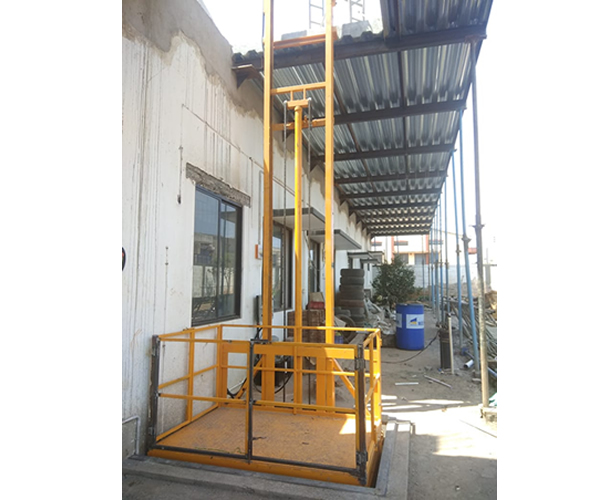 | GOODS LIFTS Goods or Cargo or Luggage lifts are basically used in industry shop floors for safe, secure, convenient and fast methods to transport loads from... View product → |
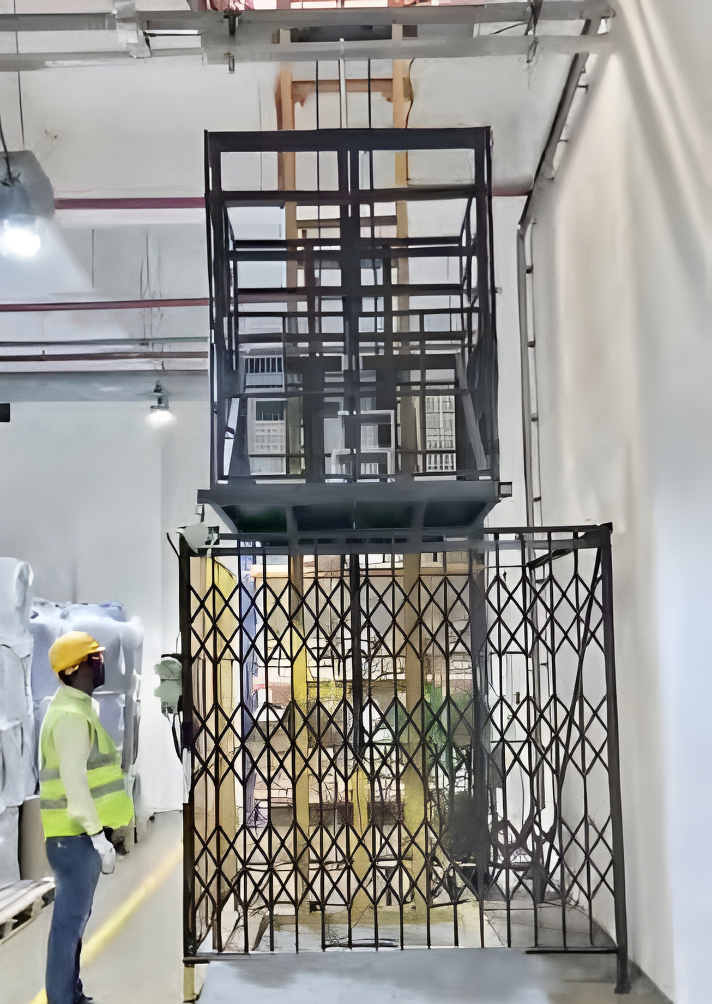 | GOODS LIFTS Goods or Cargo or Luggage lifts are basically used in industry shop floors for safe, secure, convenient and fast methods to transport loads from... View product → |
Frequently asked questions
What is the difference between a goods lift and a freight elevator?
The terms overlap, but specifications differ by load duty, controls, travel, building requirements and whether the equipment is designed for goods-only movement.
How should Pune businesses match a lift to their operations?
Check floor count, travel height, rated load, pallet or trolley dimensions, loading frequency, door size and daily traffic before selecting the lift.
How can a goods lift keep people out during loading?
Use goods-only controls, landing-door interlocks, guarding, visible status indicators and a loading cycle that prevents operation while people enter the shaft or car.
Should a business choose a hydraulic or traction goods lift?
Choose after checking travel height, pit depth, overhead clearance, machine-room requirements, speed, duty cycle and the building’s available power and structure.
How should you compare goods lift quotations from Pune suppliers?
Compare the included car size, rated load, doors, controls, safety equipment, civil work, installation, testing, warranty, maintenance and exclusions—not capacity alone.