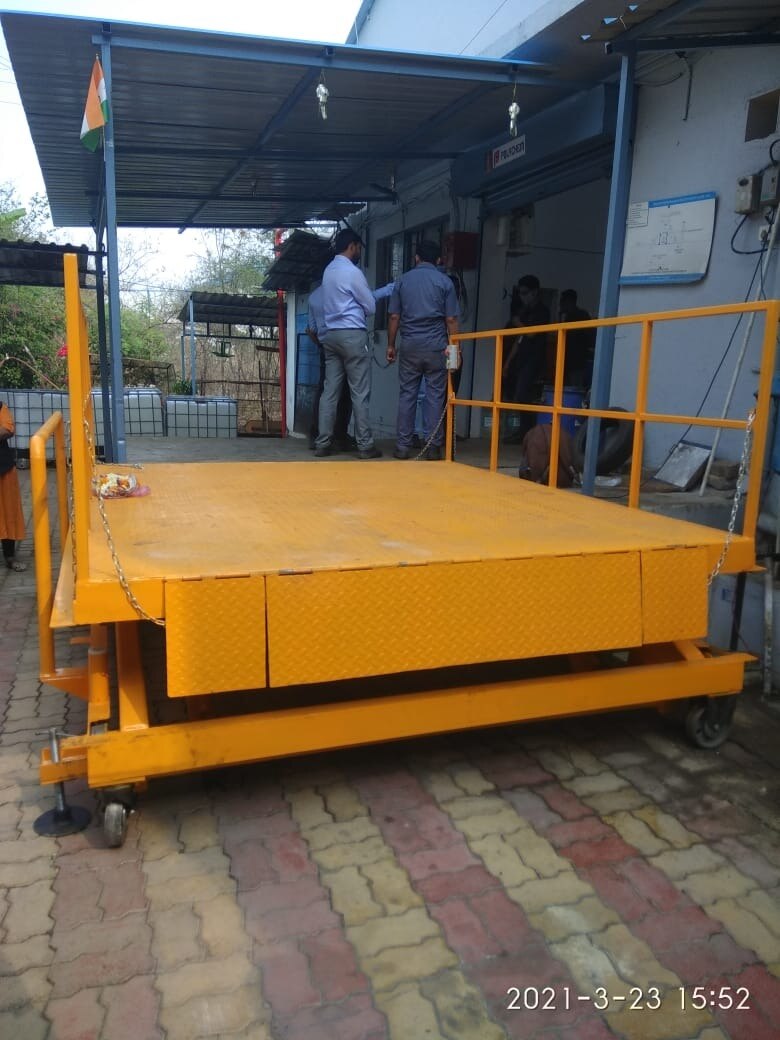
Rain alone does not decide whether a lift is safe: standing water, slippery steel, lightning, wind, electrical exposure and trailer movement can each stop the job. You will be able to classify the weather risk, inspect the machine and loading bay, verify the load and specify the evidence needed before approving wet-season operation.
Key takeaways
- Stop operation during lightning, flooding, standing water or slippery platform surfaces.
- Inspect tyres, brakes, emergency stops, guards, hydraulics and electrical covers before use.
- Control trailer movement and remove water, mud and oil from the transfer route.
- Confirm wet-condition limits, rated capacity and wind limits in the manufacturer’s manual.
When Rain Makes Scissor-Lift Operation Unsafe
Stop using the lift when lightning or thunder is present, flooding reaches the site, water surrounds the machine base, standing water covers the dock, or ramps and platform surfaces become slippery. Stop for poor visibility, uncontrolled trailer movement, or wind above the manufacturer’s stated operating limit.
Use this stop-use checklist for scissor lift wet conditions:
- Isolate the lift during a thunderstorm. A canopy, guardrail or rubber tyre does not protect an elevated worker from lightning.
- Keep people and equipment out of floodwater and water around the base, pit or wheels.
- Stop when rain, spray, glare or mist prevents you from seeing the platform edge, trailer or load.
- Stop if a trailer moves, rocks or loses its restraint.
- Stop when wet steel, painted concrete or a ramp prevents secure braking or footing.
Assess rain and wind separately. Rain can reduce visibility and traction, while wind can destabilise the lift. A pallet, sheet, canopy or side screen adds sail area, so a cover that reduces water exposure can increase wind loading. Never exceed the manufacturer’s wind limit.
| Equipment | Intended use | Key safety distinction |
|---|---|---|
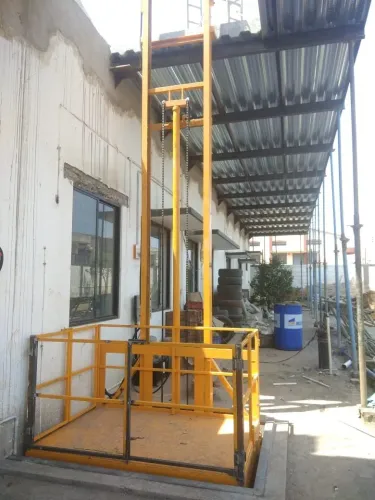
| Stationary loading lift | Raise goods between fixed levels | Not a personnel platform |
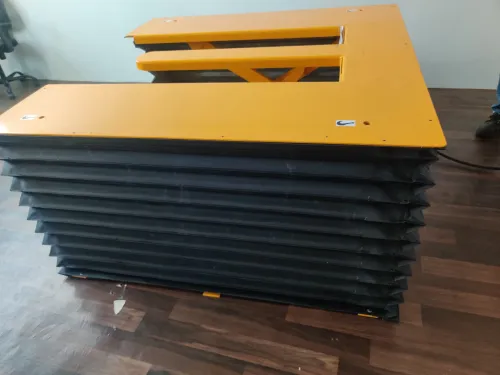
| Lifting table or material lift | Position materials | Not automatically approved to carry people |
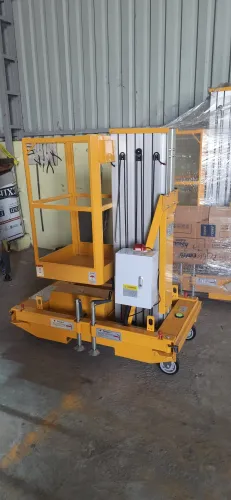
| Mobile elevating work platform | Raise people | Requires personnel controls, fall protection and emergency descent provisions |
A material lift, lifting table and mobile elevating work platform are not interchangeable because each uses scissors. Confirm the machine category before anyone enters an elevated platform.
What to Inspect Before Entering a Wet Loading Bay
Before a scissor lift enters a wet loading bay, remove water and inspect the machine from the platform down to its base. For scissor lift wet conditions, use this sequence:
1. Check platform drainage, anti-slip decking, guardrails, gates and pallet stops. Reject loose decking, blocked drain holes, damaged rails or a gate that does not latch.
2. Inspect wheels, brakes and outriggers for mud, reduced grip, leaks and secure deployment. Examine hydraulic hoses, fittings, rod seals and reservoir breathers for abrasion, seepage, corrosion or blocked vents.
3. Inspect the pit or base before operation. Remove accumulated water and mud, clear blocked drains, check corrosion and confirm that the emergency-lowering route remains accessible; never operate through a flooded pit.
4. Treat every electrical point separately: control enclosure, pendant controls, emergency-stop devices, limit switches, sensors, motor terminal box, cable glands, connectors, and battery or charging compartments. For electro hydraulic scissor lift conditions, verify RCD protection, earthing, bonding, protected cable routing and a lockable isolation point.
An RCD reduces some earth-fault shock risks; it does not authorise energising flooded equipment.
An IP65 marking applies to the specified enclosure’s dust protection and water-jet protection, not to the complete lift. It does not make motors, connectors or the machine flood-rated. Dry, isolate and have qualified personnel assess any wet electrical component before return to service.
How to Prepare the Dock and Transfer Loads Without Slip
Remove standing water, clear drains and provide adequate lighting before moving a pallet. Keep pedestrians behind a barrier or use an isolated route. The dock, bridge and lift position must be level; do not place a mobile lift on a ramp or sloping loading surface unless the manufacturer permits it.
Secure the trailer and prevent trailer movement before opening the transfer path. Then check that:
- Wet steel plates, painted concrete, dock levellers and oil-contaminated floors are clean or removed from the route.
- A suitable bridge interface spans the gap without a raised lip that catches pallet-truck wheels.
- Pallet stops contain the load at the platform edge.
- The pallet truck travels slowly, brakes progressively and stays square to the bridge.
- The pallet is stable, centred and restrained against uncontrolled rolling or load shift.
| Surface or condition | Main hazard | Required response |
|---|---|---|
| Wet steel, paint or oil | Reduced tyre and wheel braking | Clean, dry, retest traction; stop if wheels slide |
| Dock leveller or bridge gap | Wheel drop, pallet impact | Lock the interface and use rated edge protection |
| Ramp or slope | Lift movement or instability | Reposition on level ground unless approved |
| Unsecured trailer | Moving transfer path | Apply trailer brakes and use wheel chocks or restraints |
Do not treat a retrofit roof, curtain or shrink-wrap as harmless rain protection. It can obstruct gates, controls, emergency lowering, limit switches or visibility while adding wind area. For scissor lift loading bay weather, and a scissor lift for monsoon loading in Sambhaji Nagar, approve such additions through the equipment designer and risk assessment.
How Water Changes Capacity, Stability and Hydraulic Performance
A wet-season job is within safe limits only when the actual load and site match the manufacturer’s nameplate and load chart. Check rated load, platform dimensions, travel height, centre-of-load limits, floor slope, wheel or outrigger reactions, and required clearance.
Include every item carried or acting on the platform:
- Wet pallet, absorbed rainwater, packaging and pallet truck
- Uneven or eccentric load distribution
- Point loads from pallet feet
- Impact during transfer
- Forklift side pushing
- Loads placed near the platform edge
A load that passes a centred, static calculation can still overload a platform corner, wheel or outrigger. Check the lift, pallet stops, bridge interface and dock together.
Rain does not create a universal percentage derating. Use only a derating stated by the manufacturer or a documented engineering calculation.
| Condition | What to verify | Safe decision |
|---|---|---|
| Splash exposure | Enclosures, controls, hoses and seals remain intact; no water reaches vulnerable openings | Operate only within the specified exposure limits |
| Immersion or standing water | Water around the base, motor, switches, sensors or control cabinet | Stop; do not operate |
| Wet transfer | Impact, pallet-truck forces, edge loading and shifting | Recalculate the load pattern and control movement |
For electro hydraulic scissor lift conditions, stop for water-contaminated oil, milky oil, abnormal filter differential pressure, erratic valves, corrosion, seal deterioration or unexplained cylinder movement. Investigate before loading again.
In scissor lift wet conditions, distinguish splash from immersion: IP65 applies to the specified enclosure, not the complete machine. Never operate through a flooded pit; remove water and inspect the base first.
What to Specify and Test for Monsoon Service in Sambhaji Nagar
Approve a scissor lift for monsoon loading in Sambhaji Nagar only against a written environmental envelope, not the word “outdoor.” The specification must state permitted rain exposure, operating and storage temperatures, wind limit, maximum floor slope, drainage and flood restrictions, corrosion environment, cleaning method, inspection interval, and return-to-service steps after water ingress.
Demand these documents from a supplier such as Aguatech Engineers Pvt.ltd.:
- General arrangement drawings, nameplate data, load charts, floor and wheel or outrigger reactions, drainage details, maintenance access, dock-interface dimensions, and written wet-weather limits.
- An electro hydraulic scissor lift conditions schedule identifying the enclosure rating and test basis for the control cabinet, pendant, emergency stops, limit switches, sensors, motor terminal box, connectors and charging equipment. Require earthing, bonding, overcurrent protection and RCD protection; an RCD does not make flooded equipment safe.
- Approved cleaning instructions, corrosion controls, inspection frequency, and a return-to-service procedure: isolate power, drain and dry, inspect insulation and connections, test safety circuits, and obtain competent-person approval before energising.
Commission scissor lift monsoon use in Sambhaji Nagar unloaded and loaded. Record normal and emergency controls, positioning, emergency lowering, brakes, alarms, guardrails, limit switches and dock transfer; then inspect the pit, base, hoses and every electrical enclosure for water ingress.
Reject generic “rugged” claims, flooded-pit operation, or unapproved roofs and curtains that obstruct safety functions or add wind area.
Related products
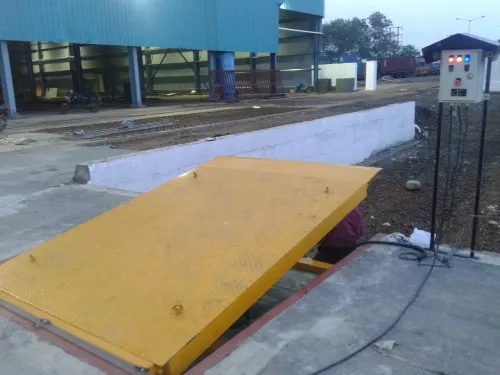
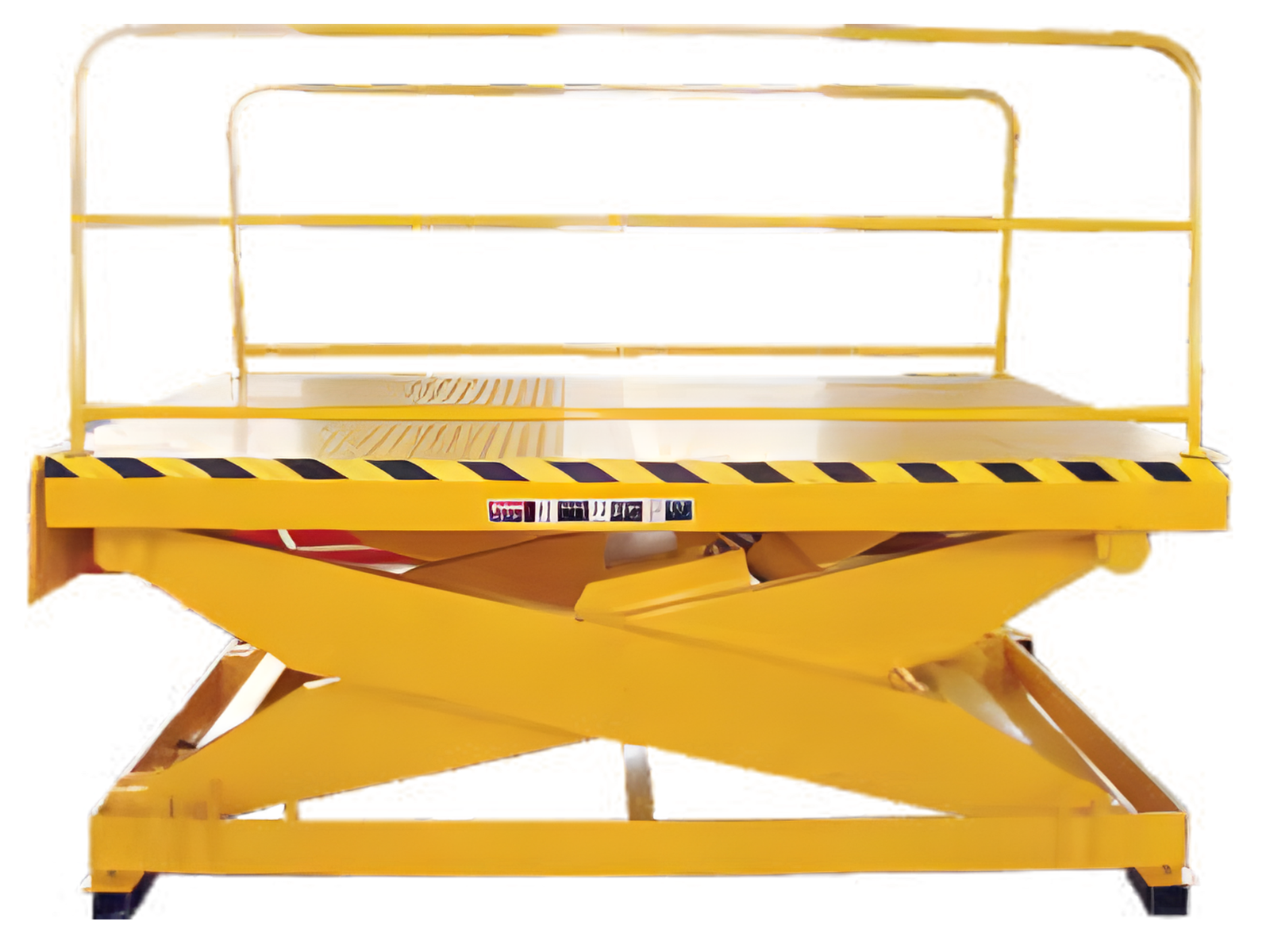 | LOADING/UNLOADING PLATFORMS OR DOCKS Electro-Hydraulic Scissor Lifts A loading/unloading dock is typically an elevated opening (or openings) in a building's sidewall where shipments are sorted and staged for loading... View product → |
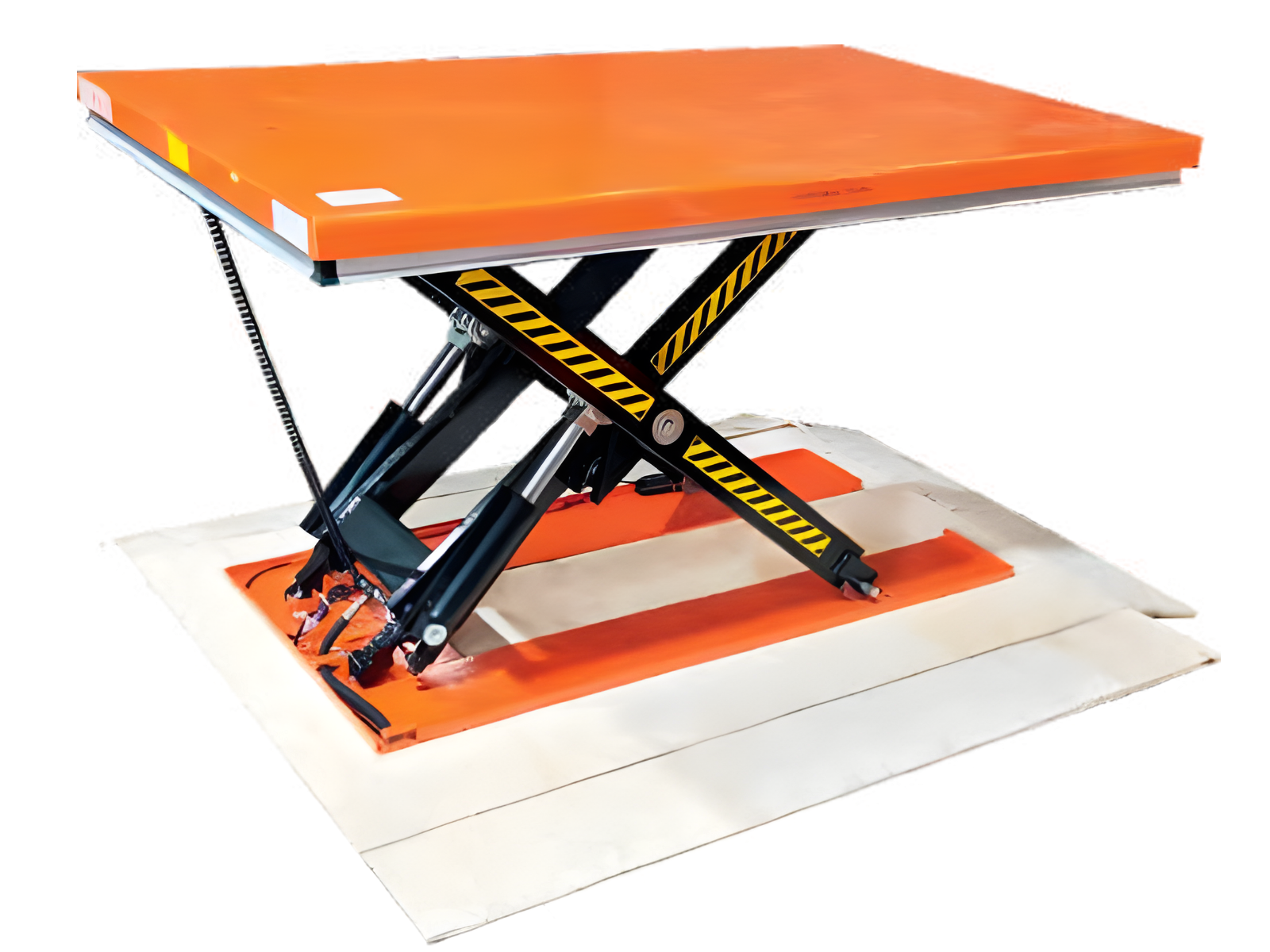 | Low Profile Scissor Lift The low-profile electric/hydraulic scissor lift table loads and unloads skids with a pallet truck without the need for a pit when using the optional... View product → |
Frequently asked questions
When is monsoon weather unsafe for scissor-lift operation?
Stop when lightning or thunder is present, flooding reaches the site, water surrounds the base, standing water covers the dock, surfaces become slippery, visibility is poor, trailer movement is uncontrolled, or wind exceeds the manufacturer’s operating limit.
What should you inspect before using a scissor lift in a wet loading bay?
Inspect the tyres, brakes, platform surface, guardrails, emergency-stop controls, alarms, hydraulic hoses, fluid leaks, electrical covers and water around the machine base. Remove the lift from service if a safety-critical fault appears.
How can you transfer loads safely across a wet dock?
Secure the trailer, confirm the dock and platform are aligned, remove standing water, mud and oil, use suitable anti-slip surfaces, keep the load within the rated capacity and prevent people from walking beneath or beside moving equipment.
How does rain affect scissor-lift capacity and hydraulic performance?
Water does not automatically reduce the rated capacity, but slippery surfaces, uneven ground, wind, pooled water and unstable loads increase operating risk. Check the manufacturer’s limits and inspect for hydraulic leaks, contamination and electrical damage before restarting.