A goods lift earns its place when repeated vertical transfers consume labour, create forklift queues or restrict production flow. You will be able to compare the full cost of that constraint with the lift’s purchase, installation, operating and downtime costs, then test whether the building and workflow can support the investment.
Key takeaways
- Measure repeated floor-to-floor moves before requesting lift prices.
- Choose equipment based on travel pattern, load type and handling frequency.
- Include shafts, doors, controls, guarding and building changes in the budget.
- Compare downtime, labour and throughput costs with the lift’s purchase price.
Measure the vertical problem before you price a lift
The practical question is: is a goods lift worth buying for a factory? The answer depends on repeated cost and lost capacity, not on how inconvenient one delivery feels. A lift earns consideration when floor-to-floor movement regularly interrupts production, dispatch or storage.
1. Record the current movement for two to four representative weeks. Count loads per shift, floor-to-floor trips, kilograms or pallets moved, waiting minutes, loading and unloading time, and the people or vehicles assigned to each trip. Note peak periods separately; a daily average can hide a queue that stops dispatch every afternoon.
2. Price each existing move. Include forklift or pallet-truck operator time, fuel or electricity, travel distance, manual-handling labour, damage, supervision and the cost of waiting. Add crane time where applicable. Divide the total by completed vertical moves to obtain a current cost per move.
3. Build the lift comparison from a written quotation, including purchase, installation, civil work, inspections, maintenance, electricity, operator time and planned downtime. Include a contingency route for breakdowns. A cheaper lift with scarce spare parts can cost more when one fault blocks an entire floor.
4. Compare the annual totals and capacity released. The goods lift benefits for factories become measurable when it removes recurring labour, vehicle travel or production delays.
If trips are rare, operations stay on one level, layouts change frequently or goods need continuous lateral movement, retain the existing method or assess a conveyor, ramp or external logistics instead.
Match the movement pattern to the right equipment
A goods lift for industrial material movement wins when loads make repeated floor-to-floor trips and the alternatives waste labour, aisle space or safety margin. It is a stronger choice than buying another vehicle when the building has no practical ramp, forklifts queue at landings, or manual carrying creates a measurable cost.
| Option | Best movement pattern | When a goods lift is better |
|---|---|---|
| Forklift | Flexible outdoor and same-floor pallet movement | Choose the lift when repeated floor changes consume travel time or require dangerous ramp traffic. |
| Reach truck | High-bay storage on one warehouse level | Choose the lift when stock must move between floors, not merely reach higher racks. |
| Pallet truck | Short, low-speed pallet transfers | Choose the lift when a pallet truck already serves both landings and needs a protected vertical route. |
| Stacker | Occasional stacking and short vertical positioning | Choose the lift for regular inter-floor batches; retain the stacker for rack access. |
| Crane | Suspended loads, awkward shapes or precise placement | Choose the lift for palletised loads and predictable landing-to-landing flow. |
| Conveyor or VRC | Continuous goods-only transfer between fixed levels | Choose a lift when routes, loads or future layouts need flexibility; choose a VRC for fixed high-volume flow. |
| Ramp | Continuous movement without lifting equipment | Choose the lift when ramp length, gradient, floor area or traffic conflict is unacceptable. |
| External logistics | Outsourced storage or inter-site movement | Choose the lift when the same building needs frequent, immediate transfers. |
For goods lift for warehouse use, compare the complete cycle: loading, door time, travel, unloading and return. A lift is a poor buy for rare trips, single-level work, frequent lateral movement or changing layouts; poor landing design can erase its capacity advantage.
Specify the load, platform and building interface
A useful quotation starts with the heaviest and largest complete load, not the nominal pallet weight. For a goods lift for warehouse use, confirm the largest pallet, container or roll cage, its loaded dimensions, overhang, centre of gravity and whether operators push or drive it into the car.
1. State the rated load and the real loading forces: pallet-truck wheel loads, concentrated point loads and impact during entry. Confirm that the car floor and landing slabs can carry those forces; rated capacity alone does not prove compatibility.
2. Provide car dimensions, door clear opening, door position and entry direction. Check that the largest load fits while leaving turning and operator-clearance space. Specify single-entry or through-car access, threshold bridging, approach-lane width, floor flatness and required level accuracy.
3. Record each landing, floor-to-floor height, shaft location, pit depth, headroom and available installation route. Include obstructions, drainage, pit access and the need for structural openings or a shaft enclosure.
4. Ask the building and fire-safety teams to confirm landing-door fire resistance, fire-compartment boundaries, smoke or fire-alarm interfaces, sprinkler coordination and emergency access before equipment is ordered.
5. Define pallet-truck or forklift access, guarding, interlocked landing gates, traffic lights, call controls and door sequencing. State whether anyone must ride inside; a goods-only lift is not a personnel lift unless its design and regulatory classification permit passengers.
Calculate the full cost per vertical move
A lift costing ₹18 lakh is not cheaper than a forklift costing ₹18 lakh until you compare completed vertical moves. Annualise the lift’s purchase and installation cost, then add electricity, planned maintenance, inspections, operator time, repairs and production lost during faults.
| Cost element | Existing forklift, crane or manual handling | Goods lift |
|---|---|---|
| Capital | Replacement, attachments or ramp work | Purchase, shaft, doors, guarding and installation, spread over useful life |
| Each move | Fuel or electricity, operator time, loading, travel and waiting | Loading, door cycles, travel, unloading and traffic-control time |
| Annual overhead | Maintenance, examinations, damage and labour | Maintenance, examinations, rescue provision, spare parts and service contract |
| Risk cost | Injury exposure, congestion and vehicle downtime | Lift breakdown, blocked route and production stoppage |
Calculate annual cost divided by completed vertical moves, not rated capacity. If 1,200 moves cost ₹9.6 lakh each year, the process costs ₹800 per move. Include failed moves and queue time: a high-capacity lift with slow doors can cost more per pallet than a smaller, better-integrated unit.
For the goods lift buying decision, model three cases: normal volume, peak volume and one extended outage. Add a contingency route or bypass cost. A low purchase price loses its advantage if parts take weeks to arrive.
A goods lift is worth buying for a factory when recurring labour, vehicle travel, congestion or safety costs exceed the lift’s annualised full cost. If trips are rare, layouts change frequently or goods need continuous lateral movement, retain the forklift, crane, conveyor or manual process and avoid the capital commitment.
Buy the workflow, controls and support plan—not just the platform
The return depends on the complete cycle, not the rated load: loading, door operation, travel, unloading, return travel and queueing. A high-capacity lift with poor level accuracy or slow doors can deliver fewer moves per hour than a smaller, better-integrated unit.
Measure pallets per hour, operator minutes, waiting time and the fallback process before approving the goods lift buying decision.
- Specify loading and unloading rules, door interlocks, level accuracy, traffic signals and protection against unauthorised riding. A sign saying “no passengers” does not turn a goods-only lift into a personnel lift; settle its design classification and conformity requirements before ordering.
- Require a written maintenance schedule, inspection intervals, lubrication points, hydraulic oil or traction-system checks, planned access and a clear fault-reporting route.
- Price local technician coverage, critical spare-parts stock, manual recovery, emergency rescue and a bypass plan for a lift serving production or dispatch. A cheap unit with a six-week parts delay can cost more than a serviceable alternative.
- Record training, daily pre-use checks, load limits, pallet positioning and who may operate the controls.
In the UK, include LOLER thorough examinations, normally at least every 12 months for other lifting equipment unless a written examination scheme sets another interval, plus records and examinations after specified exceptional events. Aguatech Engineers Pvt.ltd.
can help compare hydraulic and electric arrangements against travel, duty cycle, pit, headroom and service access rather than treating drive type as the decision.
Without this workflow and support plan, the goods lift benefits for factories disappear during the first breakdown or queue.
Related products
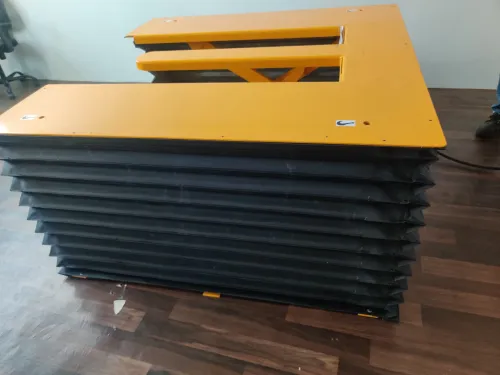
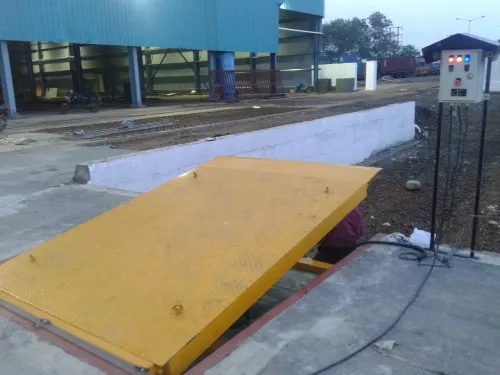
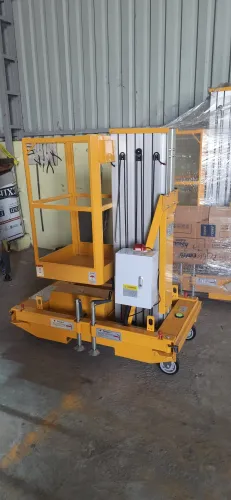
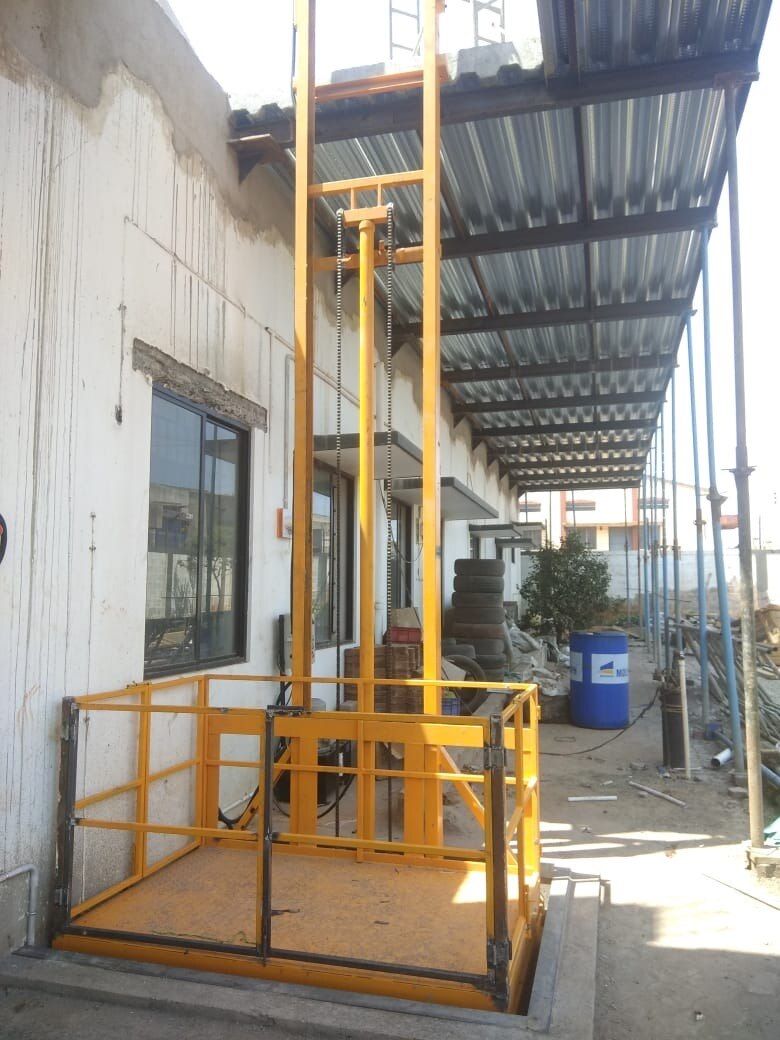
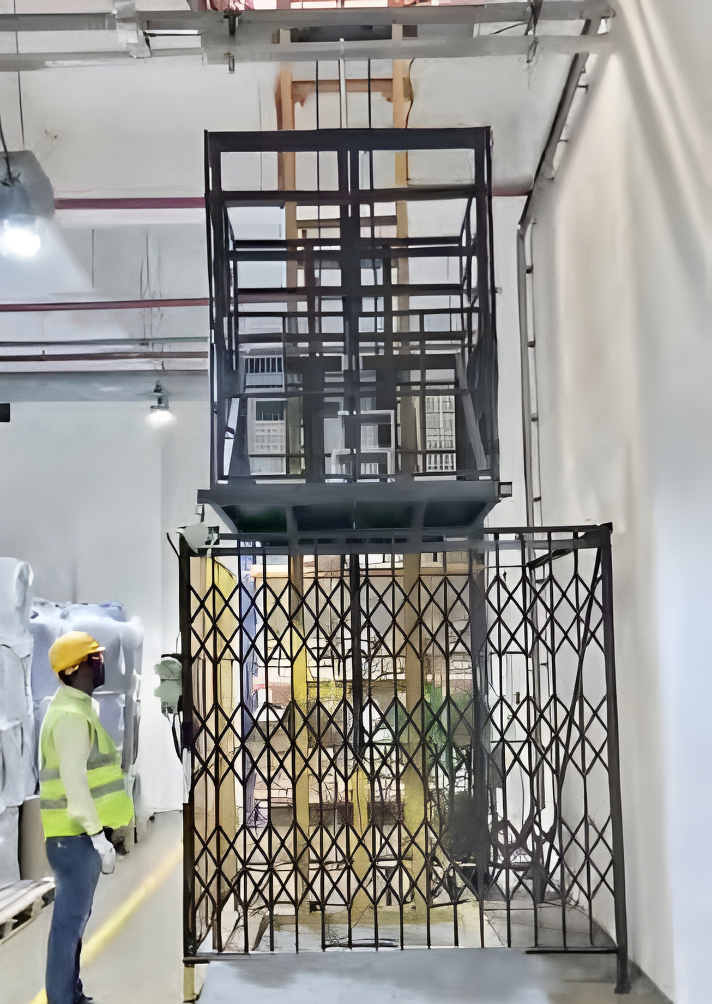 | GOODS LIFTS Goods or Cargo or Luggage lifts are basically used in industry shop floors for safe, secure, convenient and fast methods to transport loads from... View product → |
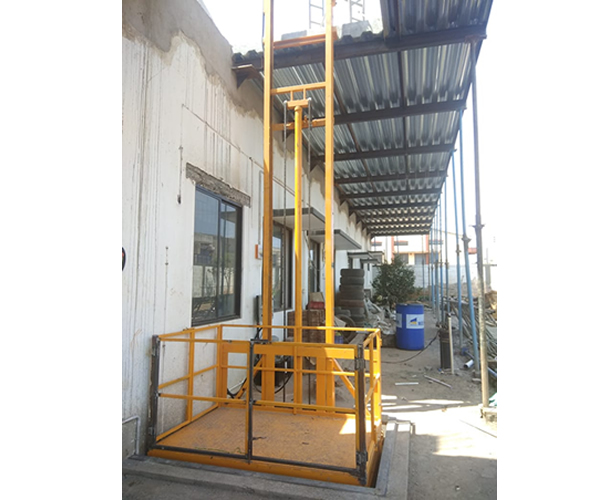 | GOODS LIFTS Goods or Cargo or Luggage lifts are basically used in industry shop floors for safe, secure, convenient and fast methods to transport loads from... View product → |
Frequently asked questions
When is a goods lift worth buying for a factory?
A goods lift deserves consideration when repeated floor-to-floor movement interrupts production, dispatch or storage and creates ongoing labour, downtime or capacity costs.
How do you choose equipment for industrial material movement?
Match the equipment to the movement pattern: travel frequency, floor levels, load type, handling method and whether people must ride with the goods.
What details should you specify before buying a goods lift?
Define the rated load, platform dimensions, travel height, landing doors, shaft or tower arrangement, building interfaces, loading method and required safety controls.
What costs belong in a goods lift buying decision?
Calculate the purchase, civil work, power supply, installation, permits, maintenance, inspections, operator training, downtime and future repairs alongside labour and throughput savings.