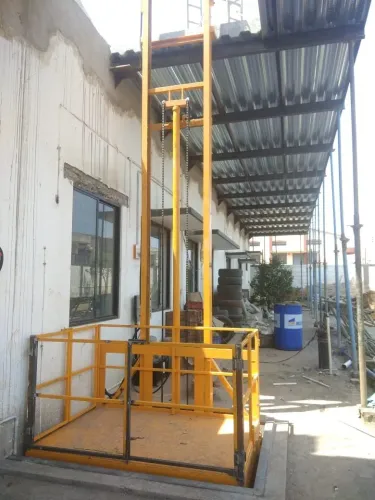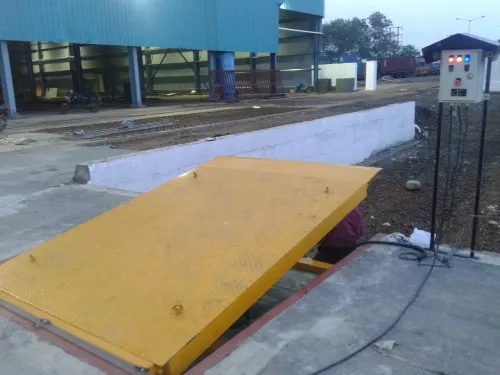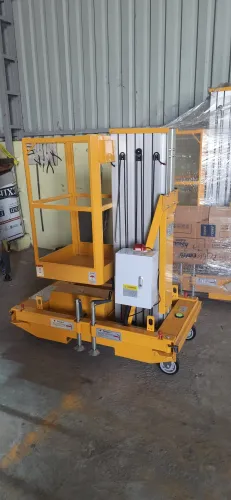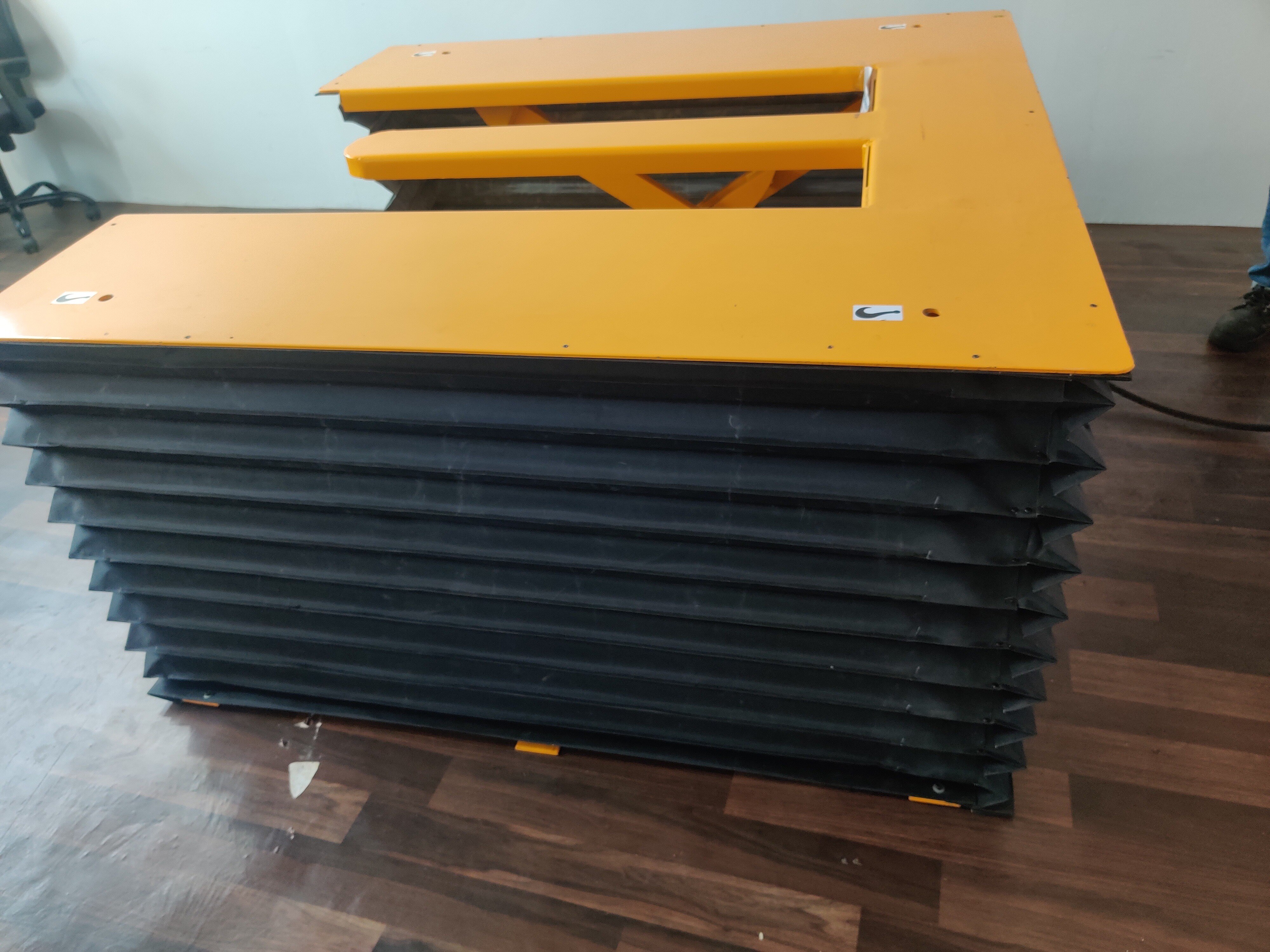
A scissor lift that stops, slows or refuses to rise can have an electrical fault, a hydraulic restriction, a safety interlock condition or a site-related overload. By the end, you will have a safe testing sequence, symptom-based checks and clear limits for deciding when to remove the machine from service.
Key takeaways
- Identify whether driving, lifting, or all functions have stopped.
- Check battery voltage, cables, fuses, connectors and emergency-stop circuits.
- Inspect hydraulic oil level, leaks, pump pressure and the load condition.
- Isolate the lift and call a technician for heat, smoke or repeated faults.
Start With the Symptom: What Stops Working?
Identify the failed function before replacing a part. A scissor lift losing power on site may have an electrical-drive fault, a hydraulic fault, or a safety interlock deliberately preventing movement.
1. If the motor does not run, check both emergency-stop buttons, the key switch and battery isolator. Then inspect the gate latch, platform-extension switch, tilt or level sensor, overload input and pothole-protection position. A misaligned actuator, damaged wire or open connector can inhibit lift motion without a failed motor.
2. If the motor runs but the platform does not rise, move to hydraulic checks. Low oil, a blocked suction path, a sticking valve, pump damage or mechanical binding can stop elevation while the motor continues running.
3. Match the movement pattern to the test. Slow lifting points toward low voltage, restricted hydraulics, overload or binding; lifting only when empty points toward load, pressure or structural resistance; dropping under load requires immediate hydraulic investigation. Intermittent operation points toward connections, sensors or thermal protection.
4. If the lift works briefly and stops, record battery voltage under load, motor-terminal voltage, motor current, fault display and whether cooling restores operation. Heat can trigger battery undervoltage, motor or contactor protection, or a tilt, overload or damaged-sensor response.
Never jumper an interlock. Bypassing it can permit movement outside the lift’s stability and load-control limits.
Trace Electrical Power From the Battery to the Motor
A loaded voltage test finds scissor lift power problems that continuity testing misses. Isolate the machine before opening panels, then inspect the emergency-stop circuit, key switch, battery isolator, control fuse, main fuse, contactor, connectors, cable lugs and frame ground.
- Under the manufacturer’s operating test procedure, measure battery voltage and motor or contactor input voltage while commanding lift. A battery can show acceptable resting voltage yet collapse under load.
- Compare the loaded readings. A large battery-to-motor difference points to resistance in a cable, fuse, disconnect, contactor, connector or ground.
- Look for corroded terminals, loose leads, damaged Anderson-style connectors, undersized replacement cables and overheated insulation. Test each battery in a series string individually.
- For flooded lead-acid batteries, check electrolyte level and specific gravity only as the battery manufacturer permits. Never add acid; top up only as instructed, using the specified water.
- Confirm charger output at the machine, not only at the charger display. Do not substitute a charger because its nominal voltage matches.
| Battery reading | Motor or contactor reading | Likely direction |
|---|---|---|
| High at rest, low during lift | Low | Battery capacity, battery interconnect or high-resistance connection |
| High under load | Low | Cable, fuse, disconnect, contactor or ground voltage drop |
| Low at both points | Low | Discharged or failed battery, inadequate charging or supply problem |
For electro hydraulic scissor lift troubleshooting, check mains voltage at the machine while starting and running. Long extension leads, small conductors, shared circuits and poorly regulated generators create voltage drop; use the specified supply and cable instead of fitting a larger pump.
Check Oil, Pump Pressure and Load Before Blaming the Motor
A scissor lift not lifting can still have a working electric motor. Check the hydraulic oil with the platform positioned exactly as the machine manual specifies, using the stated fluid grade and operating-temperature range.
Low oil, a suction-side air leak or a blocked suction strainer causes foaming, noise, erratic movement and low flow. Inspect the return filter, hoses, fittings and cylinders for restrictions or leaks. A stuck lowering valve or contaminated relief valve can send pump flow back to the tank.
Confirm rated capacity, load distribution, platform-extension limits and the effect of off-centre tools or materials. Inspect debris, seized rollers, bent guards and slide blocks before replacing components.
| No-load result | Rated-load result | Likely direction |
|---|---|---|
| Normal speed and pressure | Slow speed, high current | Binding, failing motor, pump damage or restriction |
| Low pressure, normal current | Low pressure, normal current | Pump-flow loss or relief valve loss |
| Pressure reaches relief immediately | Pressure reaches relief immediately | Overload, binding or blocked circuit |
| Normal operation | Platform stalls or lifts only unloaded | Excess load, poor distribution or hydraulic pressure loss |
For electro-hydraulic scissor lift troubleshooting, record lift speed, motor current and hydraulic pressure while comparing unloaded and rated-load operation. Do not raise relief pressure without a calibrated gauge and the manufacturer’s pressure specification; excessive pressure can damage the pump, hoses, cylinders or structure.
Rule Out Site Conditions and Record the Failure Pattern
A permitted slope, pothole, soft shoulder or uneven surface can make scissor lift losing power on site look like an electrical failure. Standing water, mud and dust can damage connectors, obstruct pothole mechanisms and increase mechanical resistance. Cold reduces battery output and thickens hydraulic oil; extreme heat can open motor or contactor thermal protection.
1. Check the ground condition, machine position and platform load against the manufacturer’s limits. Inspect debris in the scissor pack, bent guards, seized rollers and damaged slide blocks. Binding can raise motor current and slow movement without a failed battery.
2. Use the specified hydraulic-oil grade and temperature range, then follow the controlled warm-up procedure. Do not mix oils or defeat thermal protection; a forced bypass can turn scissor lift site problems into equipment damage or a fire.
3. On mains-powered or charger-dependent machines, measure voltage at the lift during motor starting and running. Inspect extension-cord conductor size and length, generator regulation and shared loads; voltage drop can make the motor hum, trip or refuse to start.
4. Reproduce the failure and record load, platform height, ambient temperature, battery state, fault display, battery voltage under load, motor-terminal voltage, motor current and hydraulic pressure. Record whether cooling restores movement.
A repeated short-duty failure can expose a weak battery, high-resistance connection, overheating motor or controller threshold. Cooling that restores operation is a clue, not a repair.
Know When to Stop, Isolate the Lift and Call a Technician
Stop using the lift for scissor lift site problems that involve a hydraulic leak, burnt cable, damaged battery, uncontrolled descent, structural binding, control fault or an interlock that repeatedly trips. Lower the platform fully, then mechanically support it before entering the scissor mechanism. Never work beneath unsupported scissors.
1. Isolate every energy source before servicing. Apply lockout/tagout before removing guards, disconnecting batteries, opening panels or working where stored hydraulic or electrical energy can release. The emergency stop prevents commanded movement; it is not energy isolation.
2. Do not keep resetting overload, tilt, level, gate or limit-switch faults. Repeated resets can conceal a failed safety input and turn an intermittent warning into unexpected movement. Keep people clear until the fault is diagnosed.
3. Leave specialist testing to a trained technician. Electro hydraulic scissor lift troubleshooting may require loaded current and voltage-drop measurements, hydraulic-pressure testing, charger checks and controller diagnosis. Adjust a relief valve only with a calibrated gauge and the documented machine specification.
A manufacturer or custom engineering supplier such as Aguatech Engineers Pvt.ltd. is appropriate when the repair needs equipment-specific diagnosis, hydraulic work or a safe-return-to-service decision. Send the recorded load, fault code, battery voltage, motor voltage, current, pressure and cooling response with the service request; “it works sometimes” is not a diagnosis.
Related products
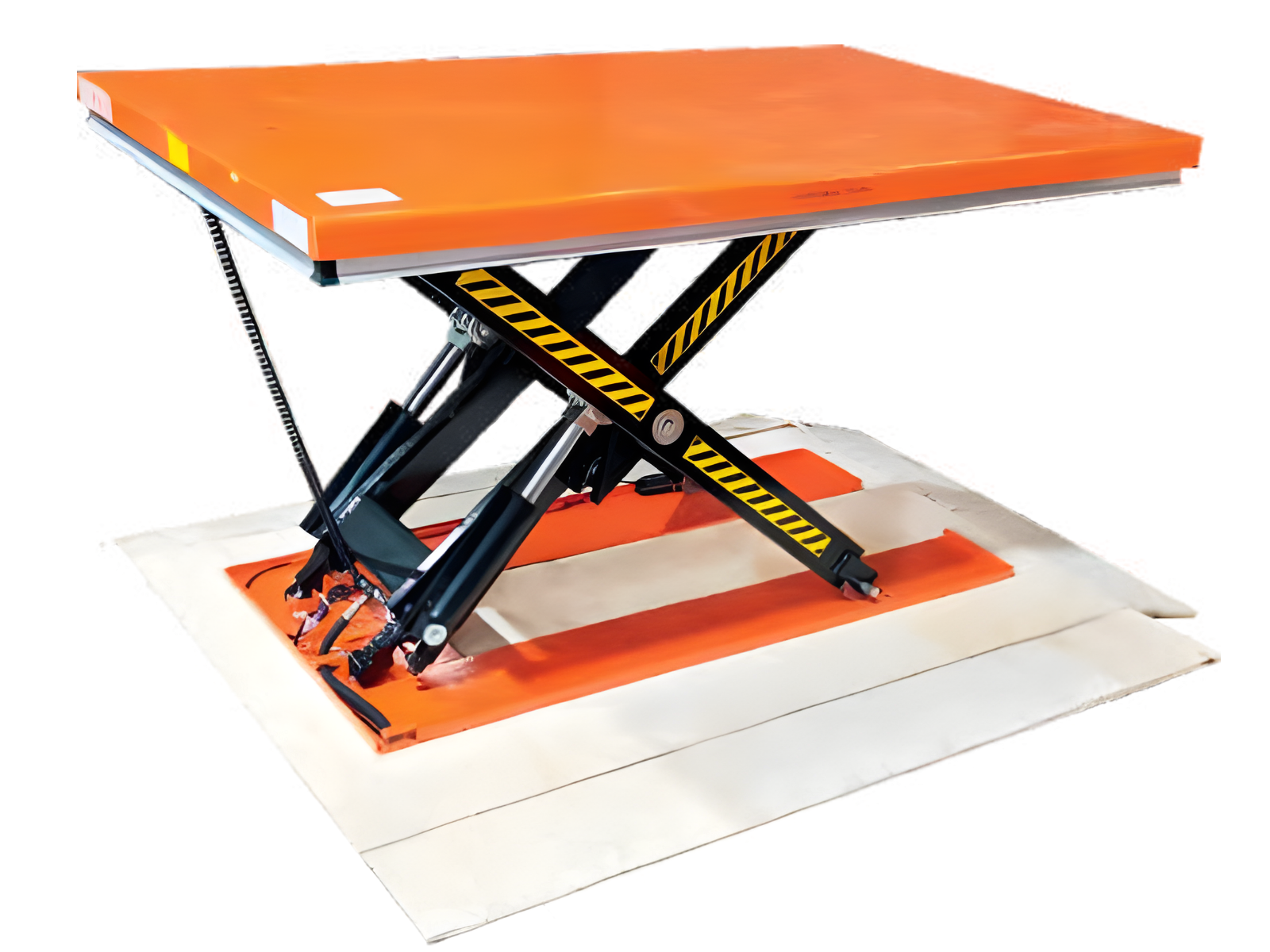 | Low Profile Scissor Lift The low-profile electric/hydraulic scissor lift table loads and unloads skids with a pallet truck without the need for a pit when using the optional... View product → |
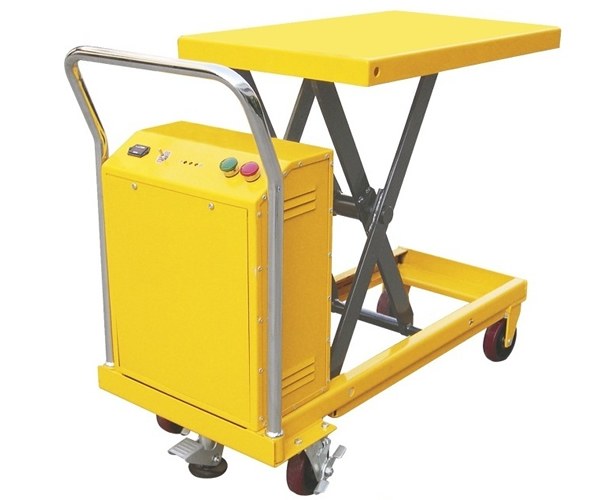 | LIFT TABLES AEPL Scissor Lift Tables (ADG) reduce employee injuries by positioning work at a comfortable and ergonomic height to eliminate unnecessary bending,... View product → |
Frequently asked questions
What should I check first when a scissor lift is losing power on site?
Identify the failed function first: determine whether the lift will not drive, will not lift, or has lost every powered function. That distinction separates electrical, hydraulic and safety-interlock faults.
How do I trace electrical power on a scissor lift?
Follow power from the battery through the isolator, fuses, emergency-stop circuit, controls, motor controller and drive or hydraulic motor. Check for loose cables, corrosion, damaged connectors and a battery that drops voltage under load.
Why is my scissor lift not lifting even though the motor runs?
Check the hydraulic oil level, visible leaks, suction restrictions, pump operation, pressure and the machine load. A running motor does not prove that the pump is producing enough hydraulic pressure.
Which site conditions can cause scissor lift power problems?
Record the battery charge, ambient temperature, slope, floor condition, load, operating time and the exact point of failure. Overloading, uneven ground, low temperatures and repeated operation can expose faults or activate protective systems.
When should I stop using a scissor lift and call a technician?
Stop, isolate and secure the lift if you see smoke, burning smells, damaged cables, hydraulic leaks, unusual heat, uncontrolled movement or a repeated trip. Do not bypass an interlock or work beneath a raised platform without the specified support and isolation procedure.
Related products
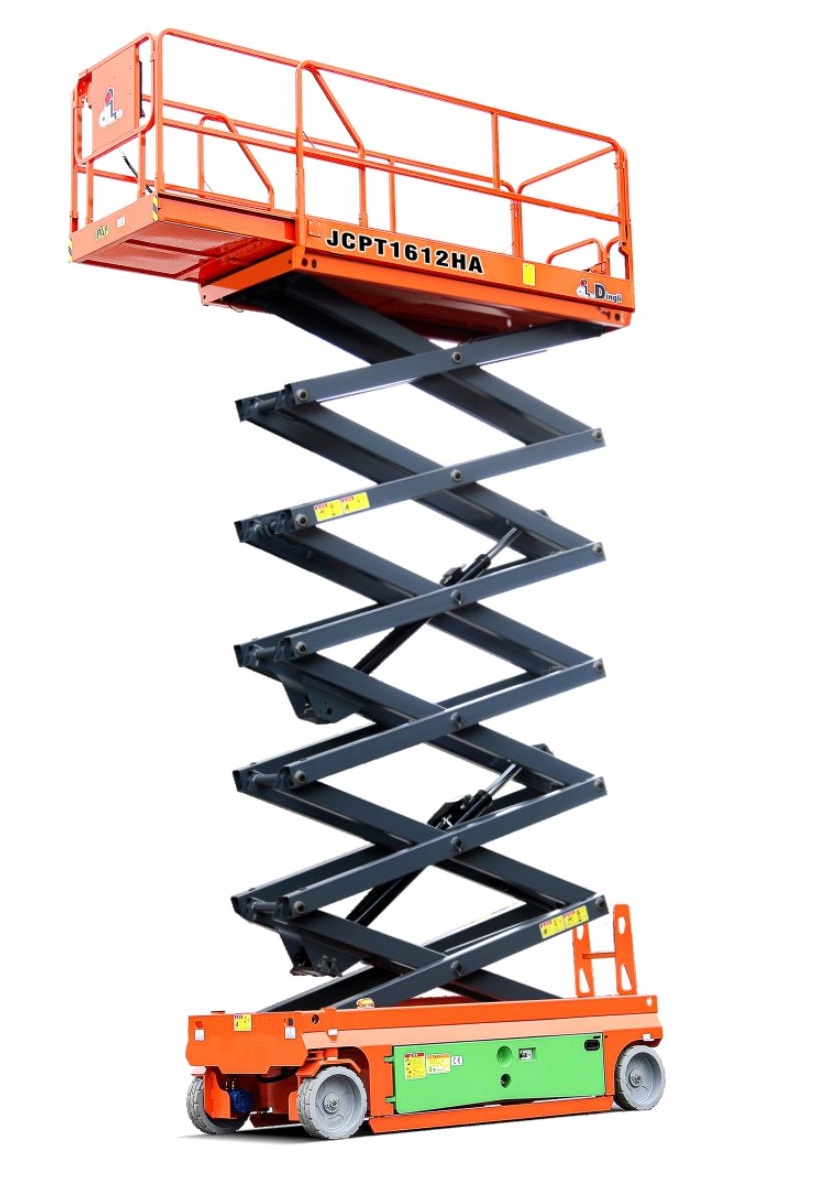 | Self-Propelled Scissor Lift A self-propelled scissor lift is a motorized aerial work platform used for vertical lifting, allowing operators to drive, steer, and elevate the... View product → |
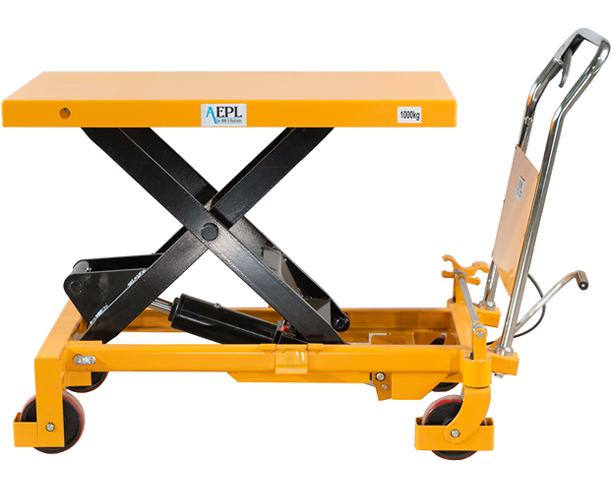 | LIFT TABLES AEPL Scissor Lift Tables (ASF) vertically position materials at comfortable heights for improved ergonomics and productivity. View product → |
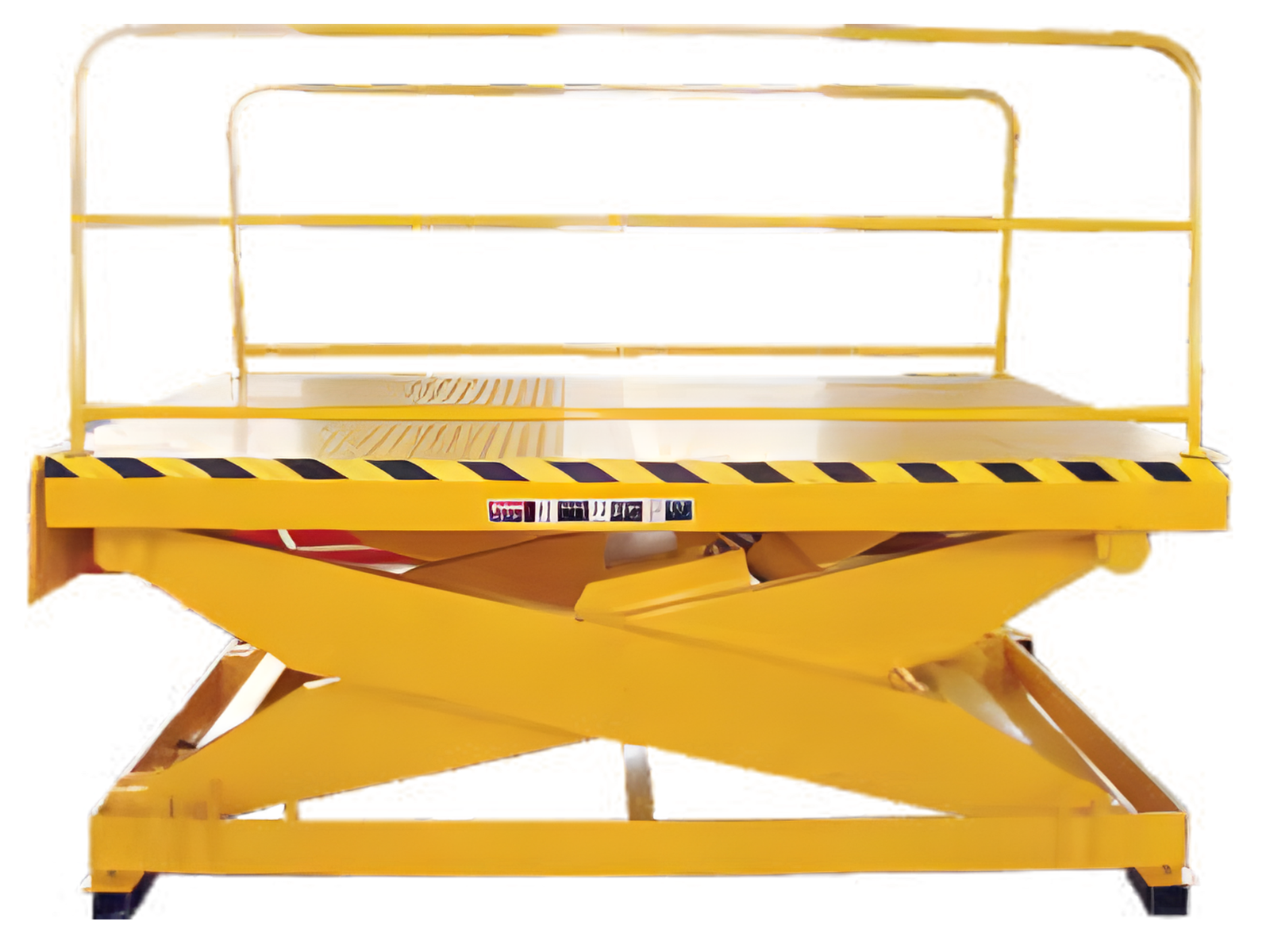 | LOADING/UNLOADING PLATFORMS OR DOCKS Electro-Hydraulic Scissor Lifts A loading/unloading dock is typically an elevated opening (or openings) in a building's sidewall where shipments are sorted and staged for loading... View product → |