

The labels are easy to misread: self-propelled describes how a lift drives, while rough-terrain describes where it is built to work. By comparing drive, tyres, ground clearance, capacity, site conditions, safety limits and access logistics, you can select equipment that fits a Nagpur warehouse, factory floor or outdoor project.
Key takeaways
- Treat self-propelled and rough-terrain as different machine attributes.
- Match tyres, traction and ground clearance to your actual route.
- Compare platform capacity, folded dimensions and transport requirements.
- Set slope, wind, load and ground conditions before operation.
Self-propelled and rough-terrain are not opposite categories
Self propelled describes how the machine moves; it does not describe where it may operate. A self propelled scissor lift may be a battery-powered indoor model for smooth concrete, or a diesel machine built for uneven ground. A rough terrain scissor lift is commonly self-propelled too, so the labels are not opposites.
For a self propelled scissor lift vs rough terrain scissor lift in Nagpur decision, compare the machine’s actual configuration:
| Option | Drive and terrain | Best fit | Main check |
|---|---|---|---|
| Indoor electric self-propelled | Battery drive, solid tyres, low clearance, smooth slabs | Warehouses, factories and enclosed floors | Emissions, ventilation, floor strength and ramp limits |
| Rough-terrain scissor lift | Larger pneumatic or foam-filled tyres, higher clearance, four-wheel drive | Gravel, mud-free construction areas and uneven outdoor ground | Grade rating, axle design, potholes and stabiliser requirements |
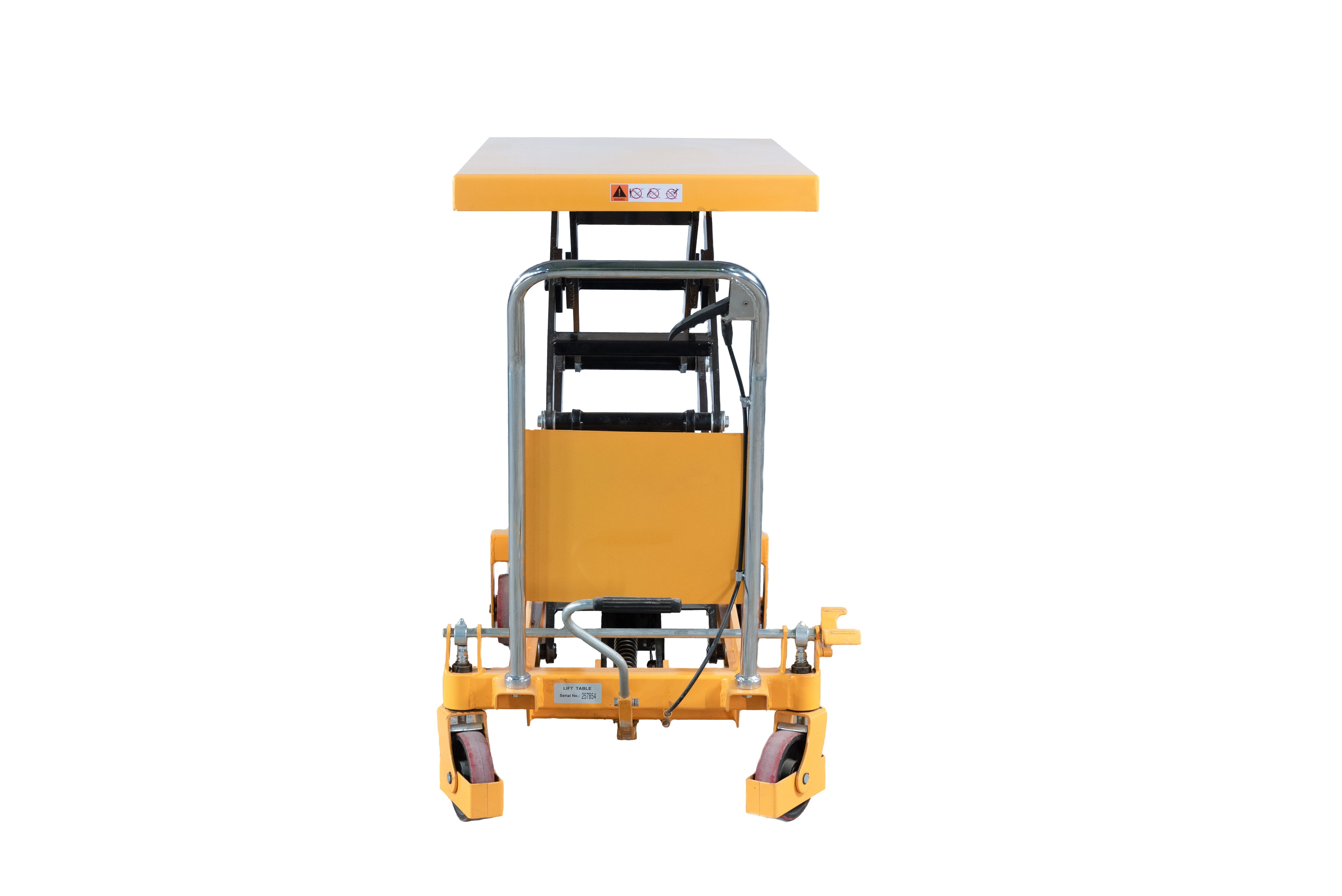
| Mobile scissor lift table | Usually moved or positioned rather than driven like an access platform | Raising goods, not carrying elevated workers | Confirm that personnel access is not the task |
Rough-terrain features improve traction but do not permit every slope, wet ramp or muddy surface. Record tyre tread, drive-wheel layout, braking performance, ground clearance and maximum grade in the bid comparison. Carrying the rated load on level ground does not prove safe braking on a Nagpur site road.
Check the operating manual before assuming a high raised scissor lift can travel while elevated. Elevated-travel speed, steering mode, permitted surface and grade limit are model-specific; “self-propelled” never means full-speed travel with the platform raised.
Match tyres, traction and ground clearance to the route
A route that looks level can still reject a lift. Check the actual slab, gravel, mud, potholes, slope, drainage and overhead clearance before choosing between machines.
A self propelled scissor lift with solid, non-marking tyres suits smooth warehouse floors and frequent repositioning; a rough terrain scissor lift suits uneven outdoor ground, provided its clearance and drive system match the site.
| Option | Tyres, traction and clearance | Ground conditions | Travel while elevated |
|---|---|---|---|
| Indoor electric self-propelled lift | Solid tyres, low clearance and two-wheel drive | Level concrete or finished slab; no potholes, mud or loose gravel | Follow the manual; elevated travel is usually restricted |
| Rough terrain scissor lift | Larger pneumatic or foam-filled tyres, four-wheel drive, greater clearance and sometimes an oscillating axle | Compacted soil, gravel and uneven construction ground within the stated slope and surface limits | Possible on some models, but speed, steering, grade and surface limits are model-specific |
Check these conditions at the route and the work position:
- Measure the steepest gradient and compare it with the manual’s maximum grade for travel and for elevated operation. Never infer the limit from high raised scissor lift traction.
- Reject soft mud, standing monsoon water and loose fill unless the manufacturer approves that surface; spinning tyres can bury the machine or contaminate components.
- Inspect potholes, trench edges and ramps against the machine’s ground clearance and wheel loading. A level-looking area does not prove stability.
- Confirm stabiliser or levelling-system requirements before raising the platform. Dust, heat and water also affect tyres, batteries, hydraulics and electrical connectors.
Compare capacity, dimensions and alternatives before you buy
Compare the rated platform load, working height and machine footprint against the actual job, not the advertised lift category. Include people, tools and materials in the load; then check platform length, width, stowed height, total weight, turning radius and transport dimensions.
| Equipment | Compare these specifications | Best fit or limitation |
|---|---|---|
| Self propelled scissor lift | Platform load, working height, platform size, width, turning radius, battery runtime and slab-floor rating | Indoor floors, frequent repositioning and low emissions; ground clearance and gradeability remain decisive |
| Rough-terrain scissor lift | Platform load, four-wheel drive, tyre type, clearance, grade rating, stabilisers, elevated-travel limits and transport weight | Uneven outdoor ground; larger dimensions can restrict gates, aisles and delivery vehicles |
| Mobile scissor lift table | Table load, lowered and raised heights, table dimensions, wheel brakes and whether people are prohibited | Pallets, bins and components; it is not a personnel lift unless specifically designed, certified and marked for people |
| Vertical mast lift or boom lift | Platform capacity, outreach, stowed footprint and overhead access | A substitute when the task needs narrow access or horizontal reach rather than a large platform |
A higher capacity does not compensate for inadequate traction, braking or floor strength. Ask the supplier to state the allowable surface, maximum slope, elevated-travel speed and whether the machine may travel while raised in the operating manual.
Reject any comparison that lists only “high raised scissor lift traction.” Record tyre compound, tread, drive-wheel layout and gradeability, then compare the machine’s width and weight with your aisles, slab and transport plan.
Test the lift against a real Nagpur site and transport plan
A machine that clears the gate can still fail on a wet ramp, low roof or overloaded floor. For a self propelled scissor lift vs rough terrain scissor lift in Nagpur decision, measure the workplace and delivery route, then compare every measurement with the machine’s manual and transport drawing.
- Record gate width and height, aisle width, turning space, overhead pipes, door thresholds, floor loading, ramp gradient and the narrowest delivery point.
- Walk the route after monsoon rain and during the dry, dusty season; mark mud, loose gravel, potholes, standing water and slopes.
- Confirm the machine’s overall width, length, height, ground clearance, turning radius, tyre type, total weight and loading angle.
- Ask for the manual’s limits for elevated travel speed, maximum grade, steering mode, wind, surface condition and stabiliser use. Never infer these limits from high raised scissor lift traction.
- Check the transporter’s deck length, ramp capacity, tie-down points, axle load and route restrictions before dispatch.
| Option | Workplace and weather test | Delivery test |
|---|---|---|
| Indoor electric slab lift | Smooth, level slab; enclosed areas needing low noise and no exhaust | Confirm doorway clearance, floor capacity and protection from rain |
| Rough terrain scissor lift | Uneven outdoor ground, gravel or changing conditions; verify grip after rain | Confirm truck payload, gate clearance and ramp grade; inspect tyre clearance |
A rough terrain scissor lift improves mobility, not immunity from soft soil or slopes. Ask Aguatech Engineers Pvt.ltd. to record these site measurements in the quotation so the selected configuration matches the actual route rather than a brochure label.
Related products
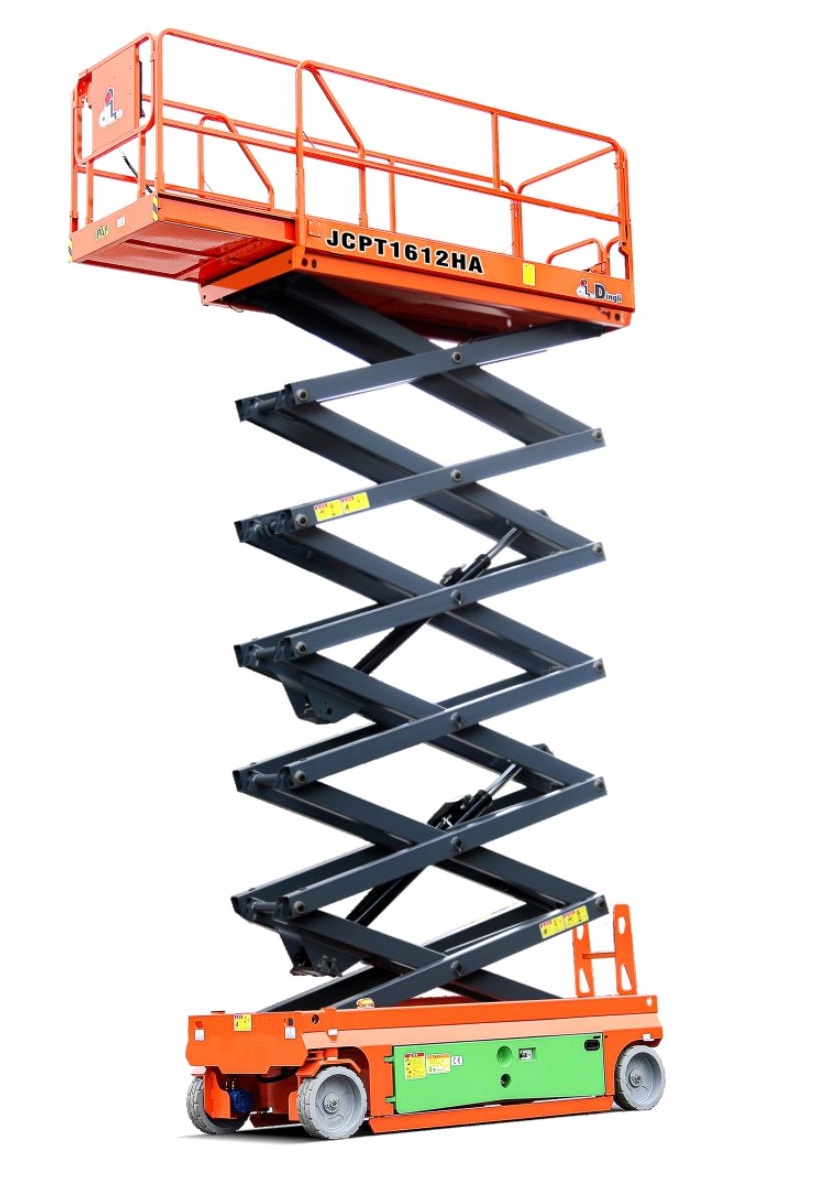 | Self-Propelled Scissor Lift A self-propelled scissor lift is a motorized aerial work platform used for vertical lifting, allowing operators to drive, steer, and elevate the... View product → |
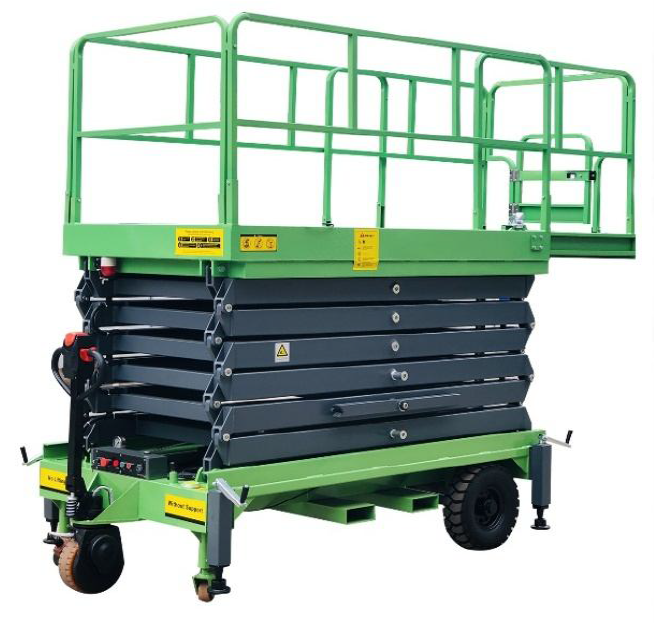 | HIGHLIFT MAINTAINANCE PLATFORM High Raised Scissor - Traction These are perhaps a revolutionary kind of equipment to be designed which almost replaced the conventional ladders which have their own limitations... View product → |
Set operating limits before the platform leaves the ground
Do not approve elevated travel from a sales label. A rough-terrain scissor lift can be self-propelled while raised, but its speed, maximum grade, steering mode and permitted surface come from the operating manual. “High raised scissor lift traction” does not mean full-speed travel, climbing a Nagpur site road, or safe movement across wet soil.
| Option | Traction and stability question | Buyer’s limit to verify |
|---|---|---|
| Indoor electric self propelled scissor lift | Smooth slab, low ground clearance, limited outdoor grip | Level floor, tyre condition, wind limit and elevated-travel rule |
| Rough-terrain scissor lift | Tread, clearance and drive system suit uneven ground | Grade, potholes, mud, gravel, stabiliser use and raised-travel speed |
| Mobile scissor lift table | Raises goods, not automatically people | Personnel use only when specifically designed, certified and marked for it |
Resolve these rules before the platform rises:
- Record platform load, occupants, tools and materials together; capacity does not prove adequate braking on a wet ramp or loose soil.
- Check tyre compound, tread, drive-wheel layout and grade rating separately from lifting capacity.
- Measure the actual slope and inspect potholes, soft shoulders and drainage; a level-looking patch does not prove stability.
- Keep within wind, platform-extension and levelling-system limits; never improvise with blocks or move while elevated unless the manual permits it.
A self propelled scissor lift describes powered driving, not terrain capability. Choose powered travel only when frequent repositioning justifies its added operating controls.
Frequently asked questions
Are self-propelled and rough-terrain scissor lifts opposite categories?
No. Self-propelled describes how the lift travels, while rough-terrain describes its ability to handle uneven outdoor ground. A rough-terrain scissor lift is commonly self-propelled.
How should you choose traction and ground clearance for a Nagpur site?
Inspect the complete route, including concrete floors, ramps, broken surfaces, loose soil and drainage channels. Select tyres, drive traction and ground clearance that suit the worst section of that route.
What should you compare before buying a scissor lift?
Compare working height, platform capacity, machine dimensions, turning radius, gradeability, ground clearance, folded height and transport requirements. Check alternatives such as a mobile scissor lift table when elevated access is not needed.
What operating limits should you set before raising the platform?
Define limits for platform load, slope, wind, surface condition, overhead clearance and travel with the platform raised. Follow the machine manual and site risk assessment before operation.
Related product
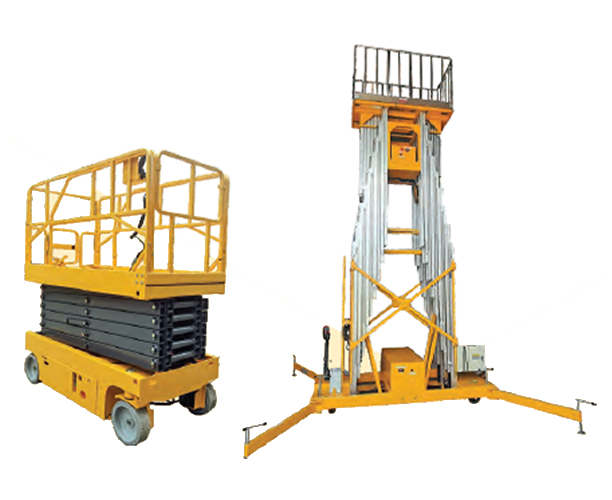 | HIGHLIFT MAINTAINANCE PLATFORM HIGHLIFT MAINTAINANCE PLATFORM These are perhaps a revolutionary kind of equipment to be designed which almost replaced the conventional ladders which have their own limitations... View product → |