
The right lift is determined by more than the heaviest item you want to move. You need to match the complete load unit, platform envelope, travel pattern, building constraints, safety controls and installation scope before comparing quotations.
Key takeaways
- Size capacity for the complete load unit, including pallet, cage and operating margin.
- Match lift travel and duty cycle to your factory’s actual movement pattern.
- Define loading interfaces, gates and safety boundaries before requesting quotations.
- Compare installation, testing, documents and handover support—not only the equipment price.
Start with the Load, Platform and Goods Lift Size
To decide which electro hydraulic goods lift fits my factory in Pune, calculate the goods lift size for factory in Pune from the heaviest complete load unit, not the product alone. A 1,000 kg product on a 150 kg pallet inside a 100 kg cage already produces a 1,250 kg load before operating margin.
Compare that total with rated capacity, then account for uneven loading, shifting goods and dynamic forces during starting and stopping.
| Load pattern | Specify | Why it matters |
|---|---|---|
| Palletised cartons | Pallet dimensions, total weight and load distribution | Confirms usable platform area and rated capacity |
| Drums, coils or dies | Point loads, load-centre position and deck construction | Prevents local deck or frame damage |
| Trolleys or forklifts | Wheel loads, axle loads and approach direction | Checks floor strength, thresholds and guarding |
Ask the supplier to state both rated capacity and permitted load distribution. Measure the largest pallet, crate, machine part or trolley, then add clearance for the operator, handrails, platform edges, door opening, turning radius and pallet-truck or forklift approach. A nominal 1,000 kg rating does not prove that the platform accepts a standard pallet.
Use this checklist before comparing brands or prices:
- Record the heaviest complete load, including pallet, cage, tote, drum, trolley or fixture.
- Confirm platform length, width, clear door opening and landing approach space.
- Specify point, wheel and axle loads instead of assuming uniform distribution.
- Request the permitted load centre, operating margin and dynamic-load basis.
- Check that the platform, doors and thresholds suit the actual loading route.
Match Travel, Duty Cycle and Factory Layout
A lift that reaches the right floor can still fail your layout. Record floor-to-floor height, total travel, number of stops, landing locations, loading sides and whether through-loading is needed. Two-door or opposite-side access can reduce unloading and cross-traffic, but it adds enclosure, shaft and structural coordination.
Measure the proposed installation for:
- Pit depth or a pitless arrangement, overhead clearance and shaft or enclosure footprint
- Landing alignment, slab capacity and guide-support points
- Power-unit access and space for maintenance
Obtain base reaction loads, required top clearance, and the machine-room or power-unit location in writing before ordering. Check every dimension against the existing building, not only the supplier’s drawing.
Define duty instead of choosing by tonnage alone. State trips per hour, operating hours per shift, consecutive cycles, travel speed, start-stop frequency and acceptable motor heating. A load-rated lift can still overheat when its pump, oil cooling and motor cannot handle the production schedule.
| Option | Best fit | Main limitation |
|---|---|---|
| Electro-hydraulic | Moderate-speed, intermittent movement and high lifting force | Less suitable for continuous high-cycle or high-speed service |
| Traction | High cycle rates or higher travel speed | Requires different shaft, machinery and structural coordination |
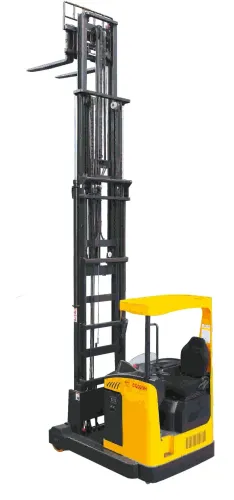
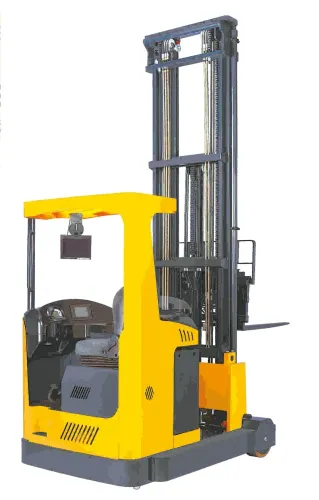
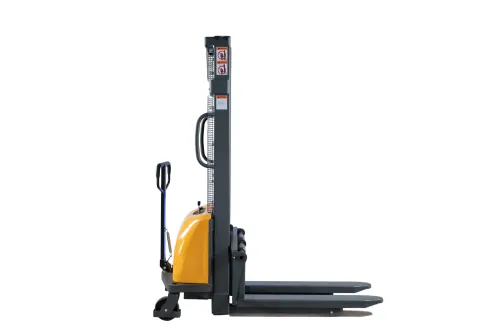
| Forklift, pallet truck, scissor lift, loading platform or hoist | Shorter or non-landing-specific movement | Wrong choice when it lacks required travel, landing control, platform envelope or safe access |
Use these comparisons when reviewing electro hydraulic goods lift options in Pune, then confirm the duty rating and building interface before selecting equipment.
Specify the Loading Interface and Safety Boundary
Decide whether the lift is goods-only or passenger-and-goods before choosing its guarding and controls. A goods-only lift must prevent routine passenger travel unless it is specifically designed, approved and protected for people; that decision changes interlocking, inspection and licensing requirements.
Compare the safety boundary by function:
| Feature | Specify | Failure prevented |
|---|---|---|
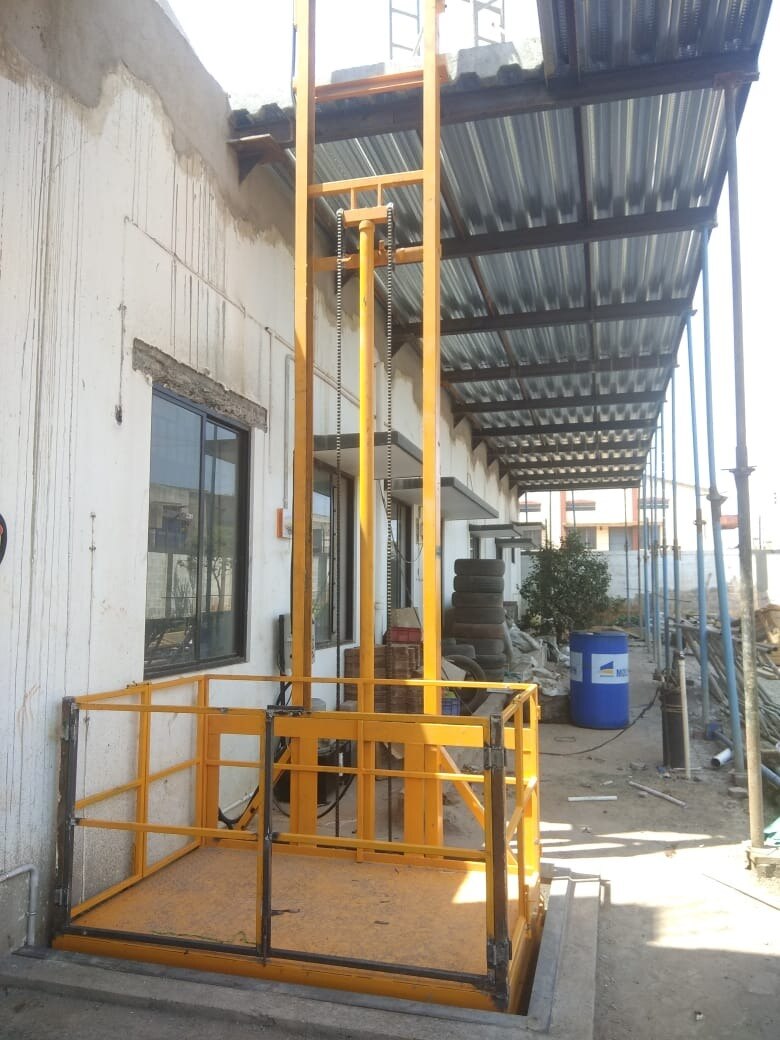
| Full-height guarding | Platform or shaft enclosure on every exposed side | A worker or load entering the travel zone |
| Landing gates | Interlocked gates that prevent movement when open | Forklift or person entering an open landing |
| Protection controls | Emergency stop, overload protection and upper/lower limit switches | Uncommanded travel or structural overload |
| Descent protection | Controlled lowering and documented hose-burst or anti-fall protection | Uncontrolled drop after hydraulic failure |
| Recovery controls | Emergency lowering or other recovery method after power loss | People or goods remaining trapped |
Request slack-chain or slack-rope protection where those systems apply. Do not treat “electro-hydraulic” as evidence that any safety function exists; require each one in the technical offer.
Test the loading interface with the actual forklift or pallet truck. Record finished-floor level tolerance, threshold detail, clear door opening, permitted ramp gradient, dock-plate arrangement and approach space. A lift can meet its rated tonnage yet fail when a door blocks vehicle movement or the landing leaves a dangerous step.
State leveling accuracy as a millimetre tolerance and document the recovery sequence after power interruption. Confirm that non-slip flooring supports the loads and wheel traffic specified.
Check Hydraulic, Electrical and Regulatory Fit
Accept the design only after it matches Pune’s operating environment, hydraulic system, electrical supply, approvals and building interfaces. Ask for the minimum and maximum ambient-temperature range, hydraulic-oil specification, leakage-control method, drainage arrangement, corrosion protection and control-panel enclosure rating. Wet cleaning and monsoon humidity expose weaknesses that a dry warehouse will not.
Require the electrical schedule to state:
- Supply voltage, frequency and phase
- Motor rating and starting current
- Control-panel ingress protection rating
- Earthing method, phase-failure protection and undervoltage protection
- Lift behaviour during power interruption, including emergency lowering or recovery
- Compatibility of a soft starter, variable-speed drive or staged operating sequence with the pump and safety controls
| Factory condition | Design details to compare | Failure if ignored |
|---|---|---|
| Dusty production | Sealed panel, protected hydraulic components and suitable filtration | Contamination damages controls and oil |
| Wet cleaning or monsoon exposure | Higher enclosure protection, drainage and corrosion-resistant materials | Water ingress, rust and electrical faults |
| Dry warehouse | Baseline enclosure and standard corrosion protection | Over-specification adds cost without solving a real risk |
Confirm with the lift inspector or competent authority in Maharashtra which approvals apply. Ask whether the design is assessed against the IS 14665 series where applicable; EN 81-3 is a useful hydraulic-lift comparison, not proof of Maharashtra acceptance.
Include pit, shaft, landing and slab checks in the design review, with reaction loads and drainage fixed before ordering.
Compare the Full Purchase and Handover Scope
Two quotations are comparable only when both assign the same work. Use this sheet before you buy goods lift in Pune:
| Scope item | Bidder A | Bidder B |
|---|---|---|
| Civil works, shaft or enclosure, landing doors | Included, excluded or priced separately | Included, excluded or priced separately |
| Electrical supply, transport, erection | Responsibility and cost | Responsibility and cost |
| Testing, statutory inspection, commissioning | Named party and deliverable | Named party and deliverable |
| Operator training and warranty response | Hours, response time and exclusions | Hours, response time and exclusions |
| Maintenance visits, oil replacement and breakdown service | Frequency, cost and local access | Frequency, cost and local access |
Require every bidder to submit a load-test and functional-test protocol covering:
- Rated-load operation and repeated-cycle performance
- Door interlocks, emergency stop and overload response
- Leveling accuracy and emergency lowering
- Hose or pipe failure protection
At handover, demand the general-arrangement drawing, foundation or reaction-load details, electrical schematics, operating instructions, maintenance intervals, hydraulic-oil specification and a spare-parts list covering seals, hoses and other wear parts. Missing documents transfer troubleshooting cost to your factory.
A Pune-based industrial goods lift manufacturer in Pune, such as Aguatech Engineers Pvt.ltd., adds value when its quotation names who will measure the site, coordinate installation, conduct tests and provide after-sales support. Location alone proves nothing.
Accept the offer only after the supplier documents how its load, duty-cycle and building assumptions will be checked before commissioning.
Related products
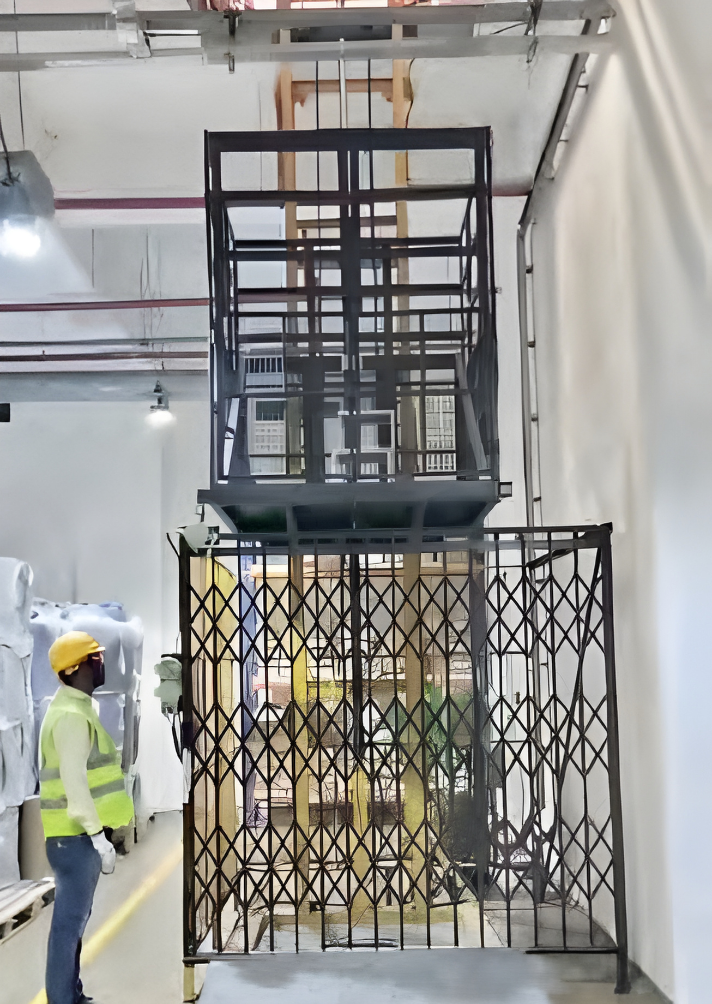 | GOODS LIFTS Goods or Cargo or Luggage lifts are basically used in industry shop floors for safe, secure, convenient and fast methods to transport loads from... View product → |
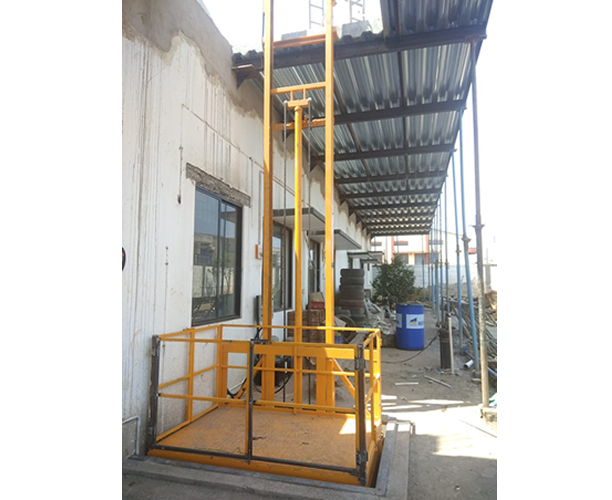 | GOODS LIFTS Goods or Cargo or Luggage lifts are basically used in industry shop floors for safe, secure, convenient and fast methods to transport loads from... View product → |
Frequently asked questions
How do I calculate goods lift size for a factory in Pune?
Add the product, pallet, cage or container, attachments and any load-bearing accessories. Select capacity above that total and confirm the rated capacity on the supplier’s technical drawing.
Which travel and duty-cycle details should I give a lift supplier?
State the vertical travel, levels served, trips per hour, operating hours per day, loading method and expected peak period. These details determine the hydraulic and electrical requirements.
What loading interface and safety boundary does a goods lift need?
Specify pallet truck or forklift access, door positions, platform dimensions, landing gates, interlocks, guarding and the exclusion zone around the shaft or liftway.
What should I verify before buying an electro hydraulic goods lift in Pune?
Check the rated load, platform size, travel, power supply, hydraulic arrangement, controls, safety devices, installation scope, testing documents and maintenance handover.