Yes, but a low deck does not make a lift weatherproof. You will be able to classify the installation as indoor, covered or exposed, check the component-level protection and drainage, and decide when rain, flooding, wind or lightning requires a shutdown.
Key takeaways
- Treat low profile as a height specification, not weather protection.
- Verify IP ratings separately for motors, controls, sensors and connectors.
- Install drainage and prevent standing water before the first wet shift.
- Specify wet-load controls, traction and stopping performance for monsoon work.
Low profile describes height, not monsoon protection
A low profile scissor lift can operate safely during Kolhapur’s monsoon only when the complete machine and installation match the exposure; “low profile” describes lowered height, not weather protection.
1. Classify the location. Indoor use still needs protection from runoff and condensation. A covered loading bay needs protection from wind-driven rain. Exposed outdoor use requires the manufacturer’s outdoor service specification. Ask for the stated duty category, not “monsoon-proof” as a marketing description.
2. Inspect every vulnerable part: the motor, control box, pendant, limit switches, emergency-stop station, hydraulic power pack, wheels, ramp or pit, electrical supply and cable routing. A sealed cabinet does not protect an exposed connector, gland or switch beside it.
3. Control elevation risks. Use the manufacturer’s permitted wind speed from the nameplate or manual; never substitute a generic limit. Stop work during lightning or thunderstorms because the metal platform and guardrails conduct electricity, while wet ground and footwear increase shock consequences.
4. Keep water away from the installation. Provide protection from runoff, wind-driven rain and pooling around the power pack, cables, ramp or pit. Do not operate after flooding or with submerged electrical or hydraulic components.
A low profile scissor lift for monsoon in Kolhapur is suitable only when its design duty, site conditions and operating procedure agree.
Read the IP rating component by component
Verify each component before approving a low profile scissor lift for rain use; one sealed cabinet cannot protect an exposed connector beside it. Under IEC 60529, IPX4 protects against splashing water from any direction, IPX5 against water jets, IPX6 against powerful water jets and IPX7 against temporary immersion.
These ratings do not prove corrosion resistance, safe operation while wet or immersion protection for the complete machine. Use this low profile scissor lift weather check:
1. Request separate ratings for the electrical cabinet, motor terminal box, pendant connector, cable glands, emergency-stop station, photocells, limit switches and plug-and-socket connections.
2. Confirm whether each quoted rating applies to the assembled lift or only to an individual enclosure. Ask how direct rainfall is excluded from the hydraulic power pack, reservoir breather, cylinder rods, hose fittings and electrical controls.
3. Inspect the hydraulic protection plan. Water entering through a breather, filler opening, rod seal or damaged hose can cause corrosion and contaminate oil, so include oil condition, breather condition, cylinder rods and hose fittings in post-rain inspection.
4. Specify corrosion protection separately. Painted mild steel, zinc-plated parts, stainless fasteners, galvanised components and sealed bearings resist repeated wetting and standing water differently.
A low profile scissor lift rain use specification is incomplete without these written details. IP protection addresses water entry at defined points; it does not establish outdoor durability for the whole machine.
Design drainage before the first wet shift
Rainwater makes a low-profile installation unsafe when it has no defined route away from the lift. The platform, base frame, lower limit switches and drainage channel sit close to floor level, so pooling can reach moving parts, electrical connections and the hydraulic power pack.
1. For a recessed installation, specify a pit drain sized for local runoff, a barrier that prevents surface water entering the pit and a defined response when water reaches the marked level. Do not operate the lift with submerged electrical or hydraulic components.
2. If the site cannot guarantee pit drainage, consider a ramped, pitless arrangement. Rate the ramp for the intended pallet truck or forklift, keep its surface non-slip and position it away from runoff paths.
3. Check the equipment specification and site risk assessment for maximum floor slope, allowable surface condition and permitted water depth. Do not infer these limits from the lift’s low deck height.
4. After rain or mud, inspect the ramp, platform, hinges, rollers, floor anchors, guardrails and anti-slip surfaces. Clear blocked drains and mud-packed rollers, tighten loose anchors, replace damaged anti-slip material and remove water trapped under covers.
Your low profile scissor lift rain use plan must assign drainage ownership and cleaning responsibility. It also needs a flood shutdown rule: isolate the lift when water reaches the defined level, prevent access and have a competent person inspect it before restart.
Wet loads change the handling risk
Wet steel, pallets, skids, ramps and footwear reduce traction, so a pallet truck needs more distance to stop. A lift’s rated load does not make a wet approach floor safe. In a scissor lift for monsoon in Kolhapur, confirm the manufacturer’s limits for floor gradient, wheel material, braking, chocking and travel while loaded.
1. Keep each pallet square on the platform and stop runoff collecting beneath the wheels. Use a chock or restraint when the risk assessment requires it. Inspect skids for broken boards, loose wrapping and water-softened packaging before lifting.
2. Remove mud from the approach path; do not expect the platform’s anti-slip surface to compensate for contaminated flooring. Keep operators off wet steel, and provide a stable, well-lit access route when rain hides labels, controls or sight lines.
3. Before every shift, test the emergency stop, limit switches and interlocks. Inspect guardrails, hydraulic leaks, cable glands and abnormal electrical tripping; isolate the lift if a control sticks, a limit switch fails or the circuit trips without explanation.
4. Clean according to the manual’s pressure, nozzle distance, prohibited-area and drying instructions. Never pressure-wash as a substitute for cleaning. If instructions are absent, use low-pressure cleaning and controlled drying.
Pooling beneath a low-profile lift creates another failure point. Keep water away from wheels and electrical or hydraulic components, and do not operate with submerged parts. A chock, restraint and drainage plan address different risks; none replaces the manufacturer’s travel limits.
Turn the monsoon decision into a purchase specification
Specify the duty category in the quotation, not “monsoon-proof.”
| Service | Quotation requirement | Site boundary |
|---|---|---|
| Indoor-only | Protect against runoff and condensation; state enclosure IP ratings | Stop if water reaches the lift or electrical equipment |
| Covered outdoor | State wind-driven-rain limits and roof coverage needed | Stop when rain enters controls or the floor loses safe traction |
| Fully exposed outdoor | State allowable rain, wind and lightning conditions for the assembled lift | Stop during flooding, unsafe wet floors, high wind or lightning |
Require component-level IP ratings for the cabinet, motor terminal box, pendant connector, cable glands, emergency-stop station, limit switches, photocells and socket connections. Add corrosion protection, hydraulic rain shielding, drainage or pit details, a maximum floor slope, surface condition, permitted water depth, rated load, pallet-truck or forklift approach, braking and chocking requirements.
Specify earthing and bonding, a weather-protected isolator and socket arrangement, cable routing above standing water, and residual-current protection where the site electrical design and applicable Indian rules require it. Ask for a written heavy-rain inspection and shutdown procedure covering water ingress, oil contamination, emergency-stop operation, limit switches, interlocks and drying time.
Aguatech Engineers Pvt.ltd. can help configure a scissor lift for monsoon in Kolhapur against site conditions, but compare its written offer with competing quotations using this checklist. Request evidence that every limit applies to the assembled low profile scissor lift for monsoon in Kolhapur, not selected components only. Low profile is not acceptance evidence.
Related product
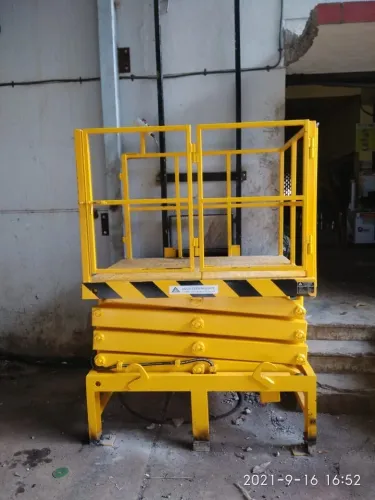
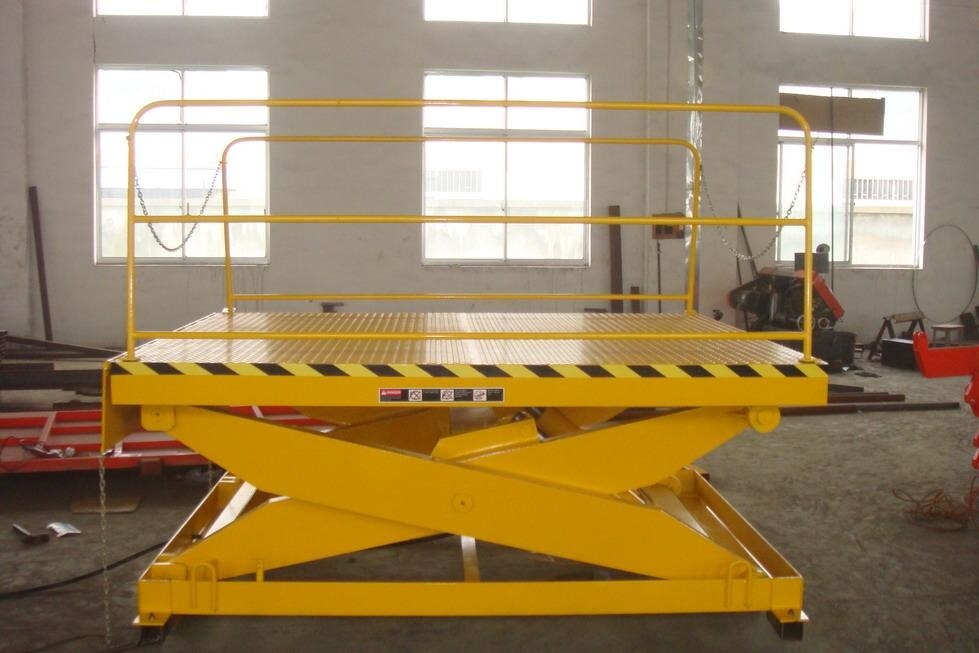
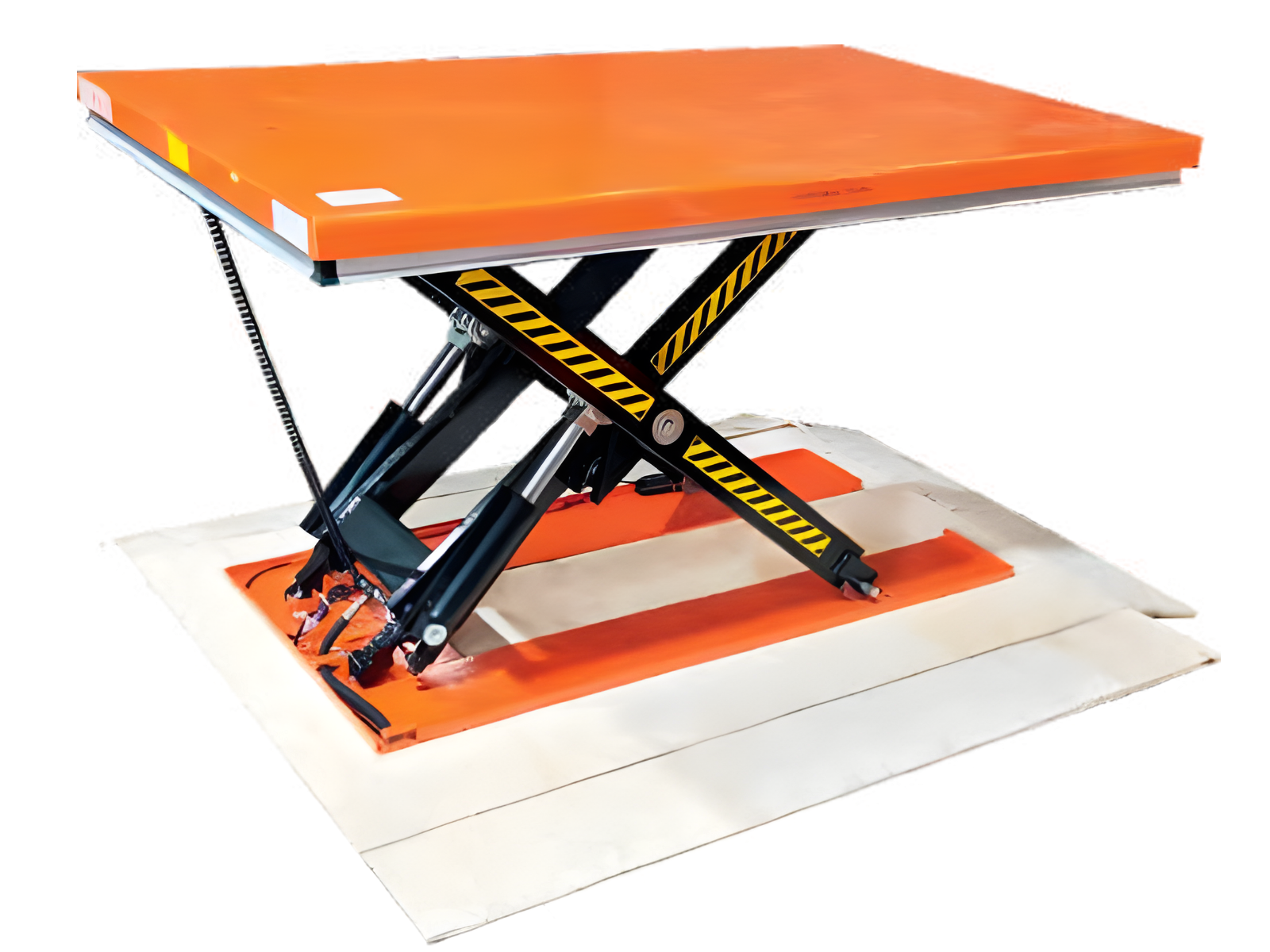 | Low Profile Scissor Lift The low-profile electric/hydraulic scissor lift table loads and unloads skids with a pallet truck without the need for a pit when using the optional... View product → |
Frequently asked questions
Does a low profile scissor lift provide protection from monsoon rain?
No. Low profile describes the lift’s lowered height. Check the machine’s enclosure, seals, electrical protection and installation for the actual rain exposure.
How should you read an IP rating on a scissor lift?
Read the rating component by component. Confirm separate protection levels for the control box, motors, sensors, connectors and other exposed electrical parts.
What drainage does a scissor lift need during Kolhapur monsoons?
Keep the lift on a level, load-rated surface that drains away from the platform. Prevent standing water around the base, pit, hydraulic equipment and electrical connections.
How do wet loads affect scissor lift operation?
Water can add weight, shift the load and reduce traction. Specify the wet-load mass, load-centre change, braking distance and floor grip before purchase.
What should a monsoon purchase specification include?
State the exposure, IP rating for each component, drainage design, corrosion protection, wet-load conditions, traction requirements, inspection routine and emergency controls.